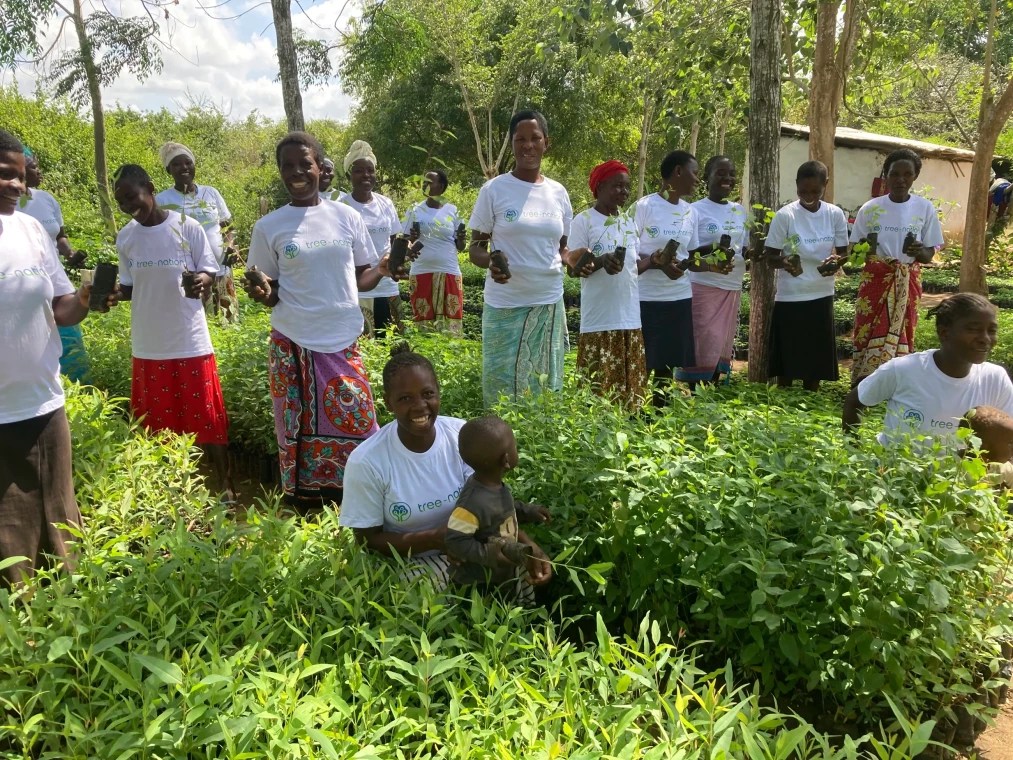

Amidst the stark landscapes of Kenya's arid lands, the Bore Project represents a beacon of hope. This ambitious initiative tackles desertification head-on, wielding the power of trees to combat environmental degradation and empower local communities. This update delves into the project's progress and impact, highlighting its unique approach to regreening the Kenyan soil.
Planting the Seeds of Change:
The Bore Project's core strategy revolves around establishing tree nurseries within Kenyan communities like the one pictured above. These nurseries serve as hubs for cultivating indigenous tree species, meticulously chosen for their resilience to the increasingly harsh climate and their ability to thrive in degraded lands. By involving community members in every part of the process, from indigenous seed collection through propagation to planting, maintenance and harvesting, we aim to foster a sense of ownership and responsibility for the greening efforts.
Branching Out: Impact Beyond Numbers:
While the Bore Project has demonstrably planted millions of trees across coastal Kenya, its impact transcends mere numbers. The initiative empowers communities by creating job opportunities through nursery management and tree planting activities. Additionally, the restored landscapes provide numerous benefits, including:
- Enhanced soil fertility and moisture retention: Trees combat desertification by preventing soil erosion and promoting water infiltration, leading to healthier ecosystems.
- Improved food security: Increased tree cover creates microclimates that support the cultivation of diverse crops, bolstering food security for local communities.
- Biodiversity boost: The reintroduced trees provide habitat for various bird and animal species, fostering a richer and more resilient ecosystem.
- Climate change mitigation: Trees act as natural carbon sinks, absorbing harmful greenhouse gases and mitigating the effects of climate change.

Drought resistant Neem trees can cope in the sandy soils that are typical in this region. Without these trees and their expansive root systems, these soils would quickly desertify
Rooted in Sustainability:
The Bore Project recognizes the long-term commitment required for successful reforestation. To ensure sustainability, the project implements several key strategies:
- Species selection: The increasing focus on indigenous trees adapted to the local climate ensures their long-term survival without the need for excessive irrigation.
- Community engagement: Empowering local communities through education and participation engenders a real sense of engagement with the project's aims and values.
- Monitoring and evaluation: Regular, stringent project assessment and adapting implementation to the fedback data ensures the project remains effective and impactful.

Lakheri Kivure is a key member of our monitoring team, here she is checking on one farmer's cashew trees. Cashews are related to cactii . Their trunks contain pulp that retains water and atheir leaves have a heavy waxy coating to reduce evapo-transpiration making them particularly drought-resilient
Looking Ahead: A Greener Future
The Bore Project's dedication to community-driven reforestation offers a glimpse into a greener future for Kenya. By empowering local communities and nurturing the land with indigenous trees, the project combats desertification, fosters biodiversity, and paves the way for a more sustainable future for generations to come. As the project continues to branch out and flourish, its impact serves as an inspiration for other communities facing similar environmental challenges around the world.

A greener future
Kommentare (0)
Schreibe einen Kommentar