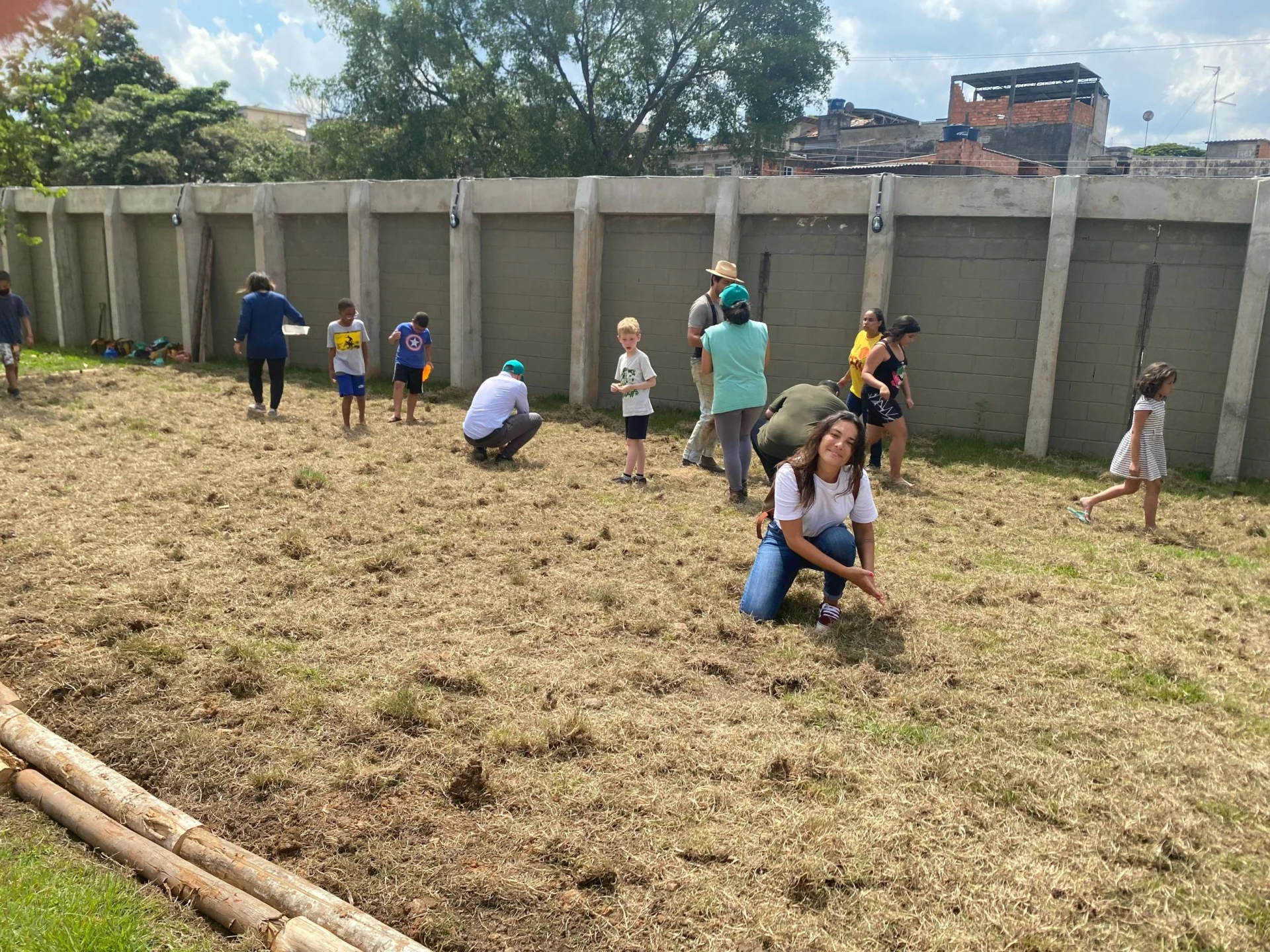

Written by: Sara Marrafa, TN Project Manager LATAM
As part of our verification process, Tree-Nation visited the Mini Forests in Public Schools project in Greater São Paulo, Brazil. This project focuses on environmental education, planting native mini-forests in public schools near favelas, raising awareness, and empowering communities to address climate change and biodiversity conservation.
An extraordinary aspect of this project is that it involves students and teachers from the facilities. Students actively participate in planting and maintenance, learning where the seeds come from, the proper techniques that can be used, how to plant trees, and why they are essential. Additionally, the project trains teachers to incorporate the forests into their subject teaching.
Involving them guarantees the care the forests need and passes on knowledge of environmental awareness, not only to their families but also from generation to generation.
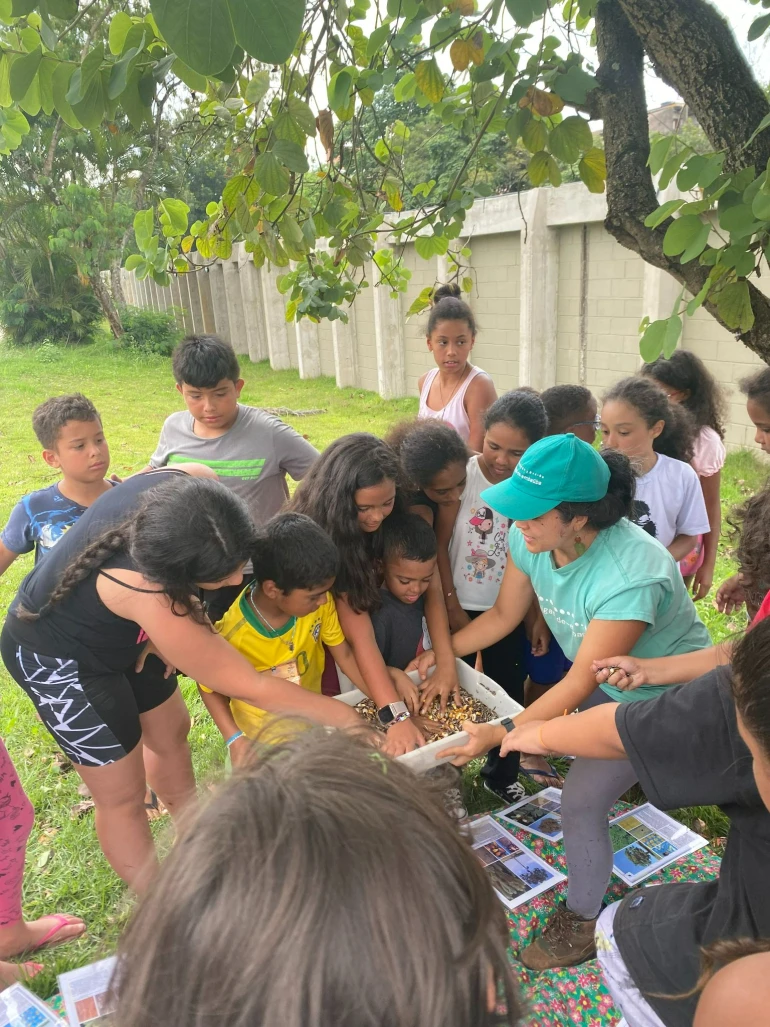
This year, we visited CEU Paraisópolis school, to gain deeper insights into the project implementation and the successful creation of mini-forests. We focused on four primary questions to understand their approach better:
1. What planting method is used?
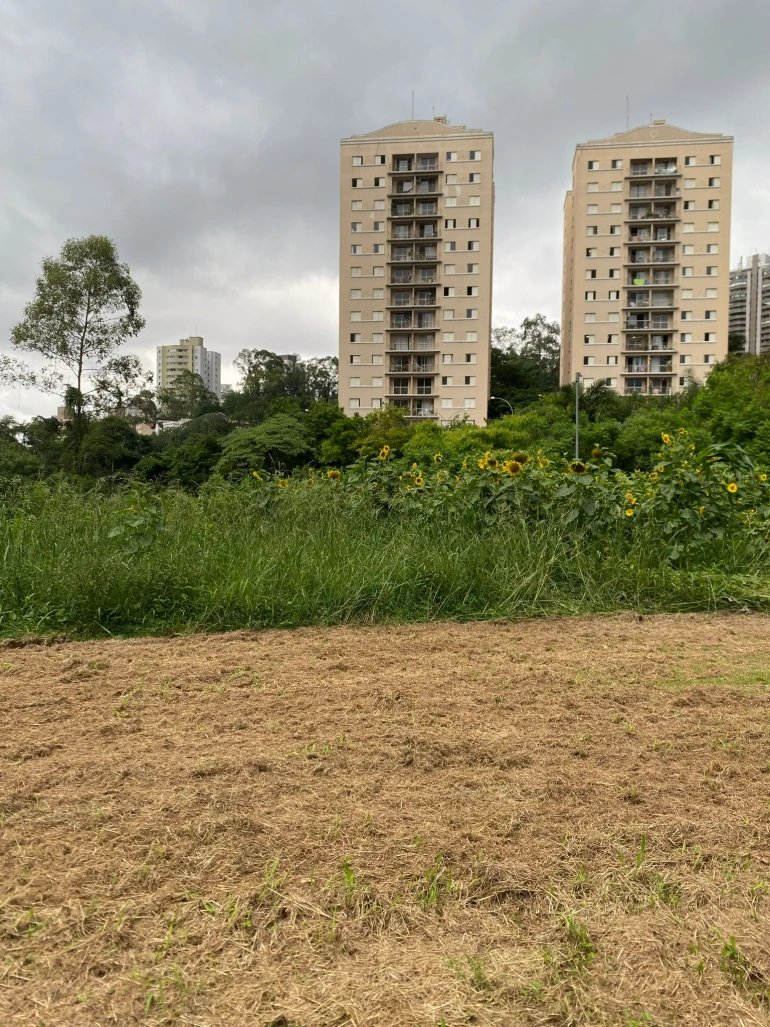
They use the Miyawaki method: they plant some crops/plants, like sunflowers, corn, or beans, to fertilize the soil. After one season, they get the saplings from a nursery with the earnings collected from Tree-Nation platform and plant the trees in the already fertilized soil.
The method involves planting two to four trees per square meter. Miyawaki forests grow in two to three years and are self-sustaining. They help lower temperatures in concrete heat islands, reduce air and noise pollution, attract local birds and insects, and create carbon sinks.
2. How are the trees maintained?
The project itself is responsible for maintaining the forests in the schools. As they have this particular technique, they ask the school gardeners not to touch the woods or trim the surrounding gardens. They go every six months to look at the state of the forest, and the survival rate is between 80%-90%, which shows that the process is efficient and successful.
They monitor the growth of the forest closely for three years, ensuring correct maintenance. After that, they will check the trees every year.
3. How does the project get knowledge about forestry/biology?
The project is made up of a team of specialists in agroforestry. It has biologists, specialists in gardening and landscaping, and forestry engineers, among others.
4. What is the school's engagement in planting and maintaining the forests?
The project is a partnership between the NGO and the city of São Paulo, and the mini forest is part of the school's structure. The space is open on weekends, so children can take their parents and relatives there and show them the mini forest. Children show the trees they planted and explain to their parents the importance of each tree in the environment. The school understands that the mini forest is essential in forming the child as a citizen.
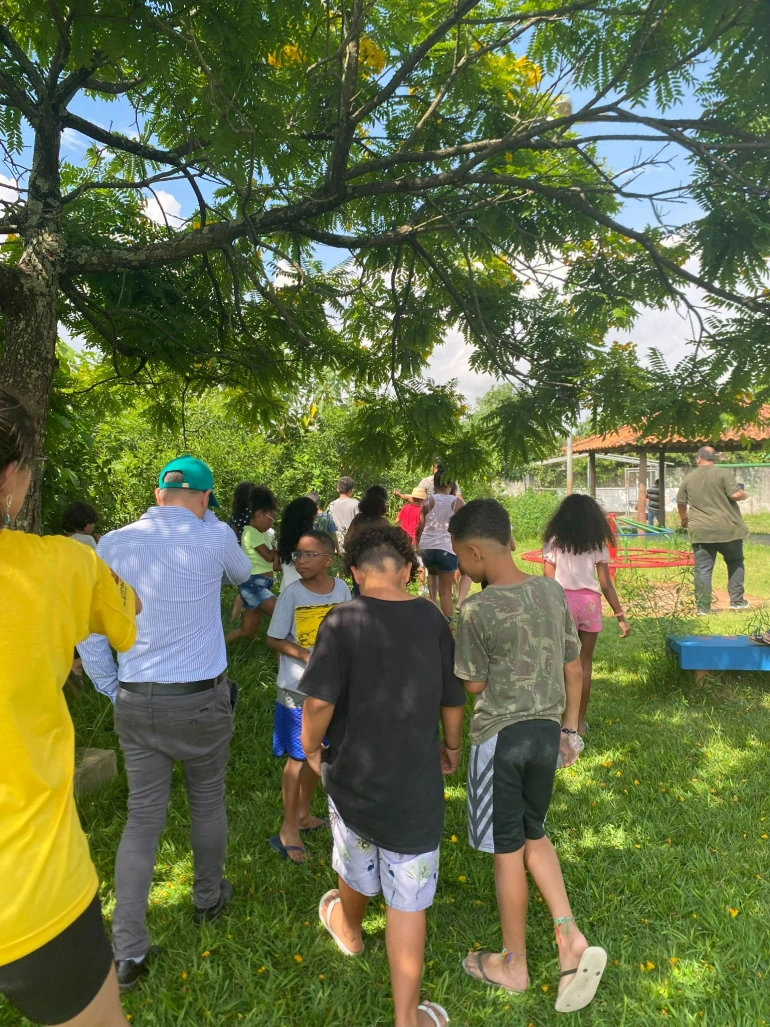
The Mini Forests in Public Schools project has an incredibly positive impact on schools and the environment. It engages students in hands-on environmental education and nurtures a deep sense of responsibility for nature. These mini-forests are crucial in mitigating climate change, conserving biodiversity, and promoting urban sustainability. This fantastic initiative truly highlights educational institutions' essential part in shaping a greener, brighter future!
Visit our blog for more!


