
Djabissa Site Description and Information
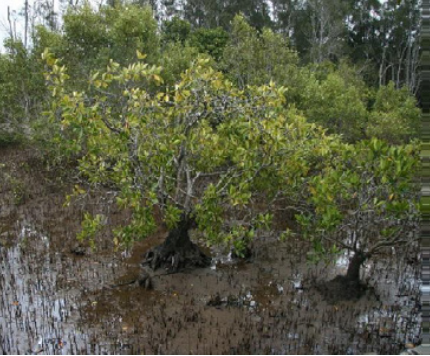
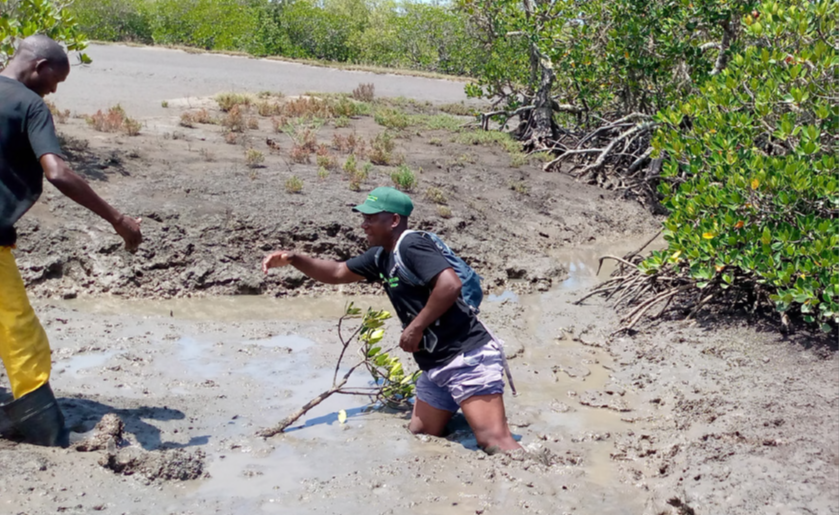
Djabissa is a large mangrove planting site near the city of Maputo in southern Mozambique. The community surrounding this site primarily relies on agriculture and fishing for their livelihoods, but unreliable rains make agriculture difficult. The primary reason for the deforestation of the mangrove forest in this area is two-fold, caused both by prolonged flooding with freshwater in 2000 during a major storm and lack of freshwater during drought. The team in Mozambique has identified sites that are likely to thrive in the current status, and we hope that restoring the forest will lead to new levels of resilience.
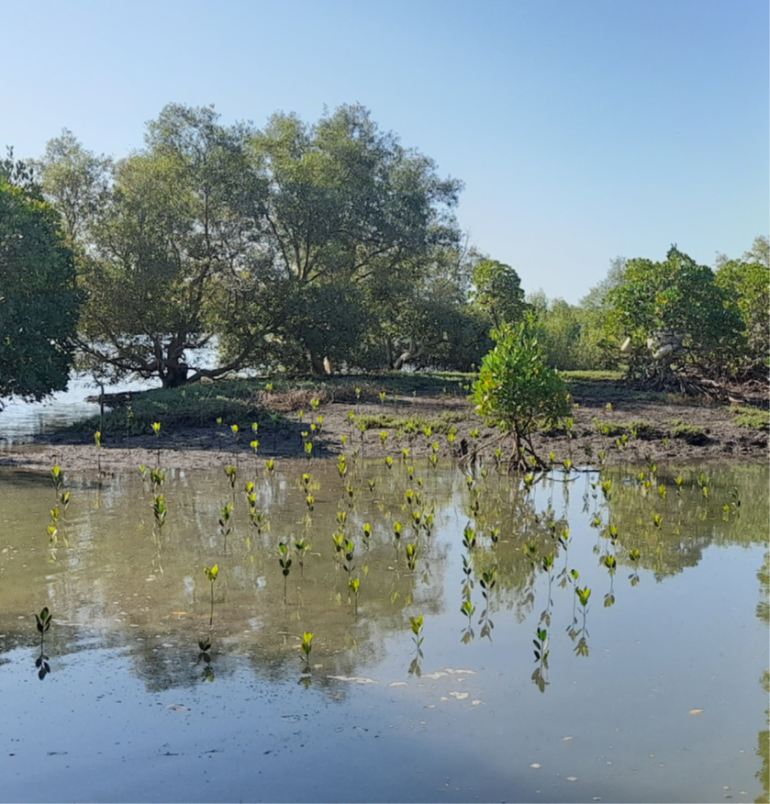
In May 2020, we started planting at the Djabissa site with a total plantable area of 427ha and a tree density of 10,000 trees / ha. With your continued support we already planted 600,000 trees with Tree-Nation on this site, and we look forward to planting the remaining capacity of trees. As we continue to plant more mangroves, we will also be protecting and replanting this site to ensure that as many trees as possible can survive and bring the native forests back to this majestic coastline.
During the summer months (November - January), our teams may stop planting as the dry conditions make propagule survival considerably lower than other times of the year.
Most of the planted trees will eventually produce seeds of their own and help the forest back to its natural equilibrium. Likewise, trees that reach maturity can compensate for trees that died before generating seeds. With continued support from Tree-Nation, we can not only finish this site but begin to reforest some of the 1 million hectares the Mozambican government has committed to restoring by 2030 as part of the afr100 Initiative. We are grateful for your generous support to help us fulfill our mission to plant trees and save lives.
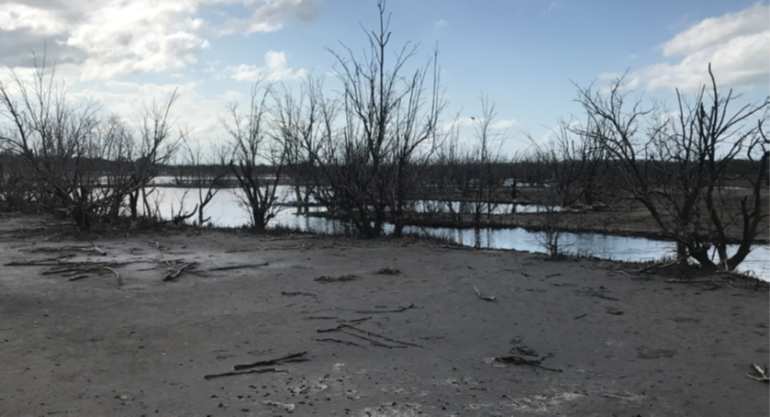
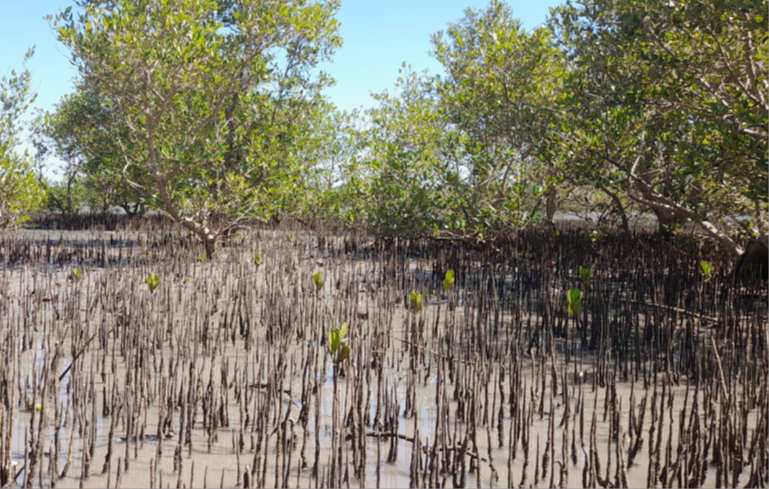
This site was once home to a robust mangrove ecosystem that lined the coastal channels. This picture below shows the Djabissa site before the replanting.
Socioeconomic Impacts
We work extremely hard to alleviate poverty in the communities we work in. Here is what we have achieved thanks to your contributions towards our Mozambique Djabissa reforestation project:
· Employment for an average of 10 planters per month
· A minimum of 3,990 employment days created
· A 90% female workforce to promote gender equity and women empowerment
· Storm-surge protection for the local residents
· Increased opportunities to save and invest in the community
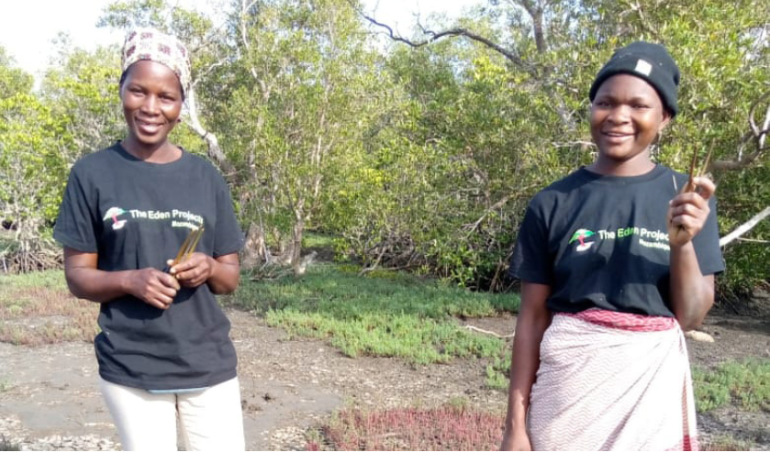
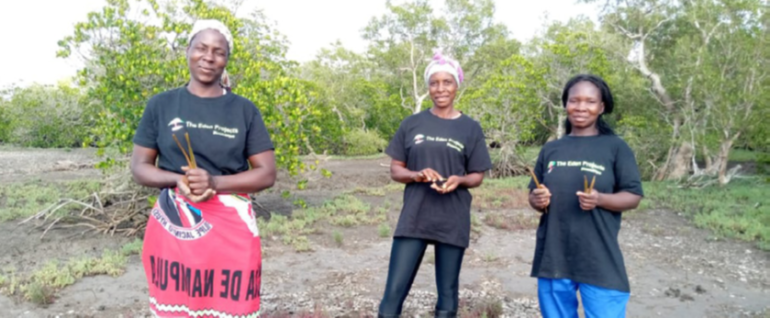
These pictures below show members of the Djabissa team displaying seeds ready for planting
Progress Photos
Mangrove Species Planted by Eden Mozambique
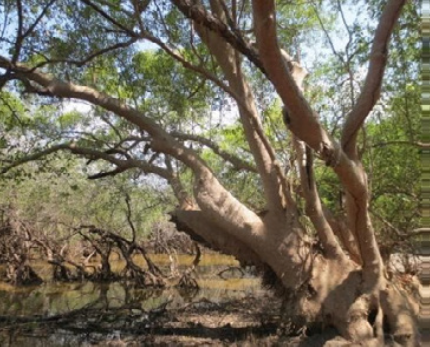
Grey Mangrove (Avicennia marina) grows as a shrub or tree to a height of three to 10 meters (10 to 33ft), or up to 14 meters (46 ft) in tropical regions. The habit is a gnarled arrangement of multiple branches. It has smooth light-gray bark made up of thin, stiff, brittle flakes.
Red Mangrove (Rhizophora mucronate) is a small to medium-sized evergreen tree growing to a height of about 20 to 25 meters (66 to 82ft) on the banks of rivers. On the sea’s fringes, 10 or 15 meters (33 or 49 ft) is a more typical height. The tallest trees are closest to the water, and shorter trees are further inland. The tree has a large number of aerial stilt roots buttressing the trunk.
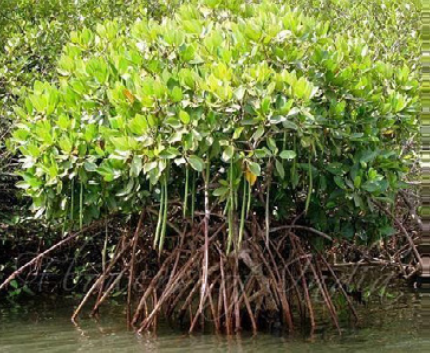
Spurred Mangrove (Ceriops tagal) is a medium-sized tree growing to a height of 25 meters (82 ft) with a trunk diameter of up to 45 cm (18 in). The growth habit is columnar or multi-stemmed, and the tree develops large buttress roots. The radiating anchor roots are sometimes exposed and may loop up in places. The bark is silvery-gray to orangish-brown, smooth with occasional pustular lenticels.
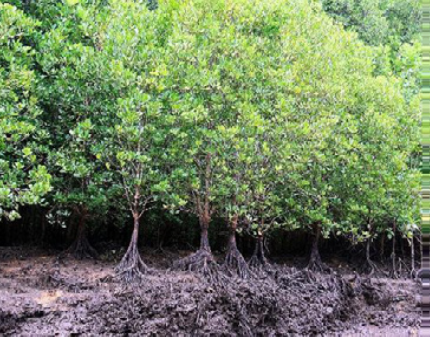
Large-leafed Orange Mangrove (Bruguiera gymnorrhiza) is a small tree up to 10 meters (33 ft) high that belongs to the family Rhizophoraceae. It is found on the seaward side of mangrove swamps, often in the company of Rhizophora. Its bark is rough and reddish-brown. The tree develops short prop-roots rather than long stilt-roots.