
Written by John Bett, Africa Regional Manager for Tree-Nation.
In May 2023, I journeyed to Tanzania, eager to witness the revival of the Replanting the Burnt Mkussu Forest project firsthand.
The Mkussu Forest Reserve in Tanzania has suffered from fires. But now, things are changing. The team saw the new nurseries, met the people planting trees, and got a feel for the work being done.
The Mkussu forest is a lifeline for the local communities that live adjacent to it. It provides them with water, firewood, local herbs, honey, and clean air. When the forest was burnt down by arsonists, the community was devastated. The women were particularly affected, as they are the ones who are responsible for collecting water and firewood. They were now forced to walk long distances to find these essential resources, and they were also exposed to the dangers of smoke inhalation.
The women of Mkussu are particularly hopeful for the future. They know that once the forest is restored, they will be able to collect water and firewood again without danger. They will also be able to gather local herbs and honey, which they use to supplement their income. The forest will also provide them with clean air, which is essential for their health.
The replanting of the Mkussu forest is a symbol of hope for the community. It is a sign that they are not giving up, even in the face of adversity. They know that the forest is their lifeline, and they are determined to protect it for future generations.
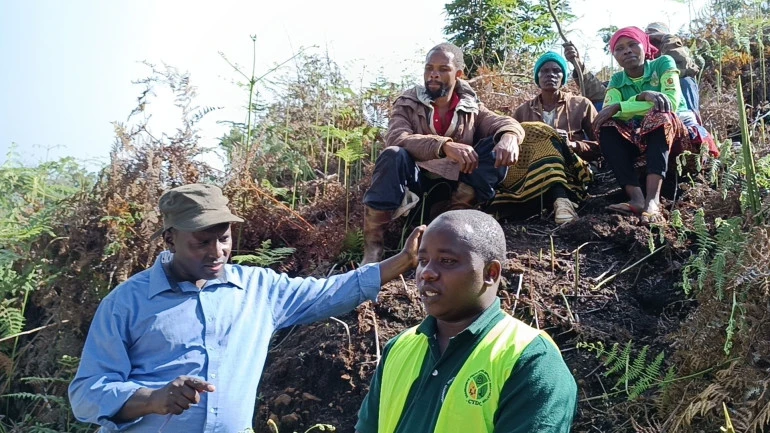
The non-profit organization Changamoto Youth Development Organization (CYDO) is leading the effort to replant the burnt Mkussu forest. Their goal is to plant 10,000 trees this year. This will help to fix damaged land, prevent future fires, and make the environment better. The community has responded with great enthusiasm, and people from all walks of life have turned up to help with the planting activities. This is a timely and much-needed project, and it is a symbol of hope for the community.
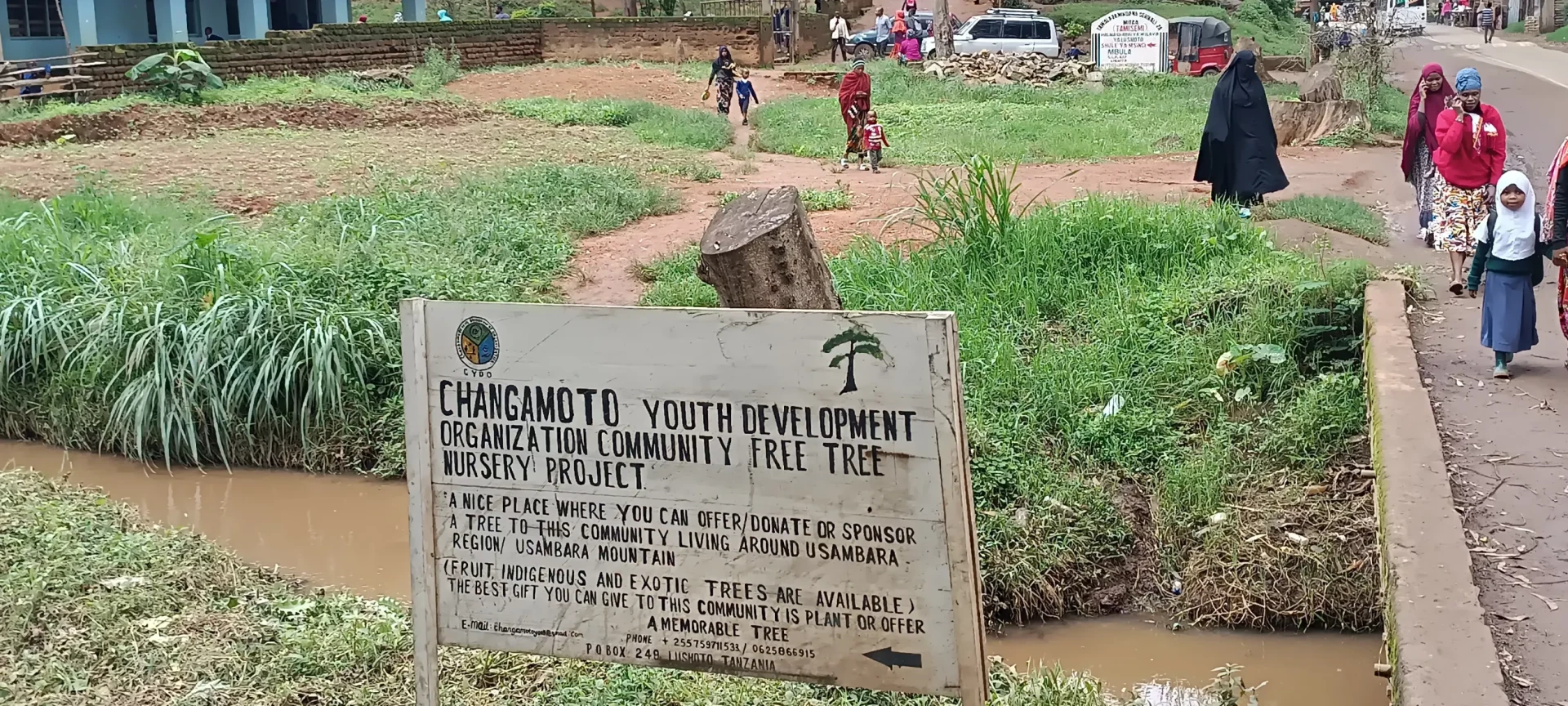
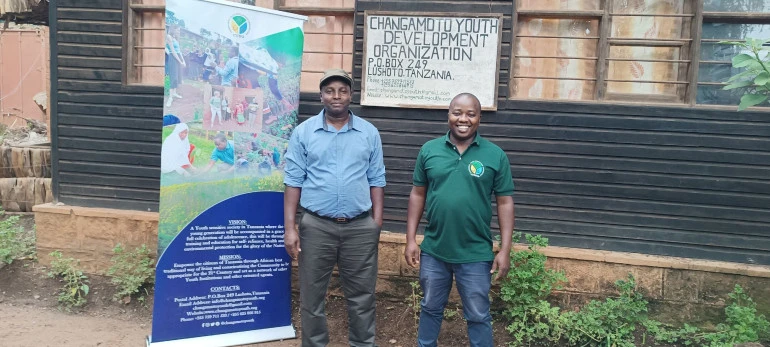
From Kenya, I made my way to Tanzania's Usambara region, in the Lushoto District. That's where I met CYDO. While CYDO might be a small group, they're doing big things. They empower the youngest generations, create sustainable development, and combat climate change. Check their Tree-Nation project page to see all their initiatives and daily commitment.
They have their own nursery for seedlings, where they can grow up to 300,000 little trees! They get their seeds from the Tree Seeds Agency (Governmental Seed Selling Authority) and grow them for about six months. The local villagers play a big part in this, looking after the young trees until they're ready to be planted.
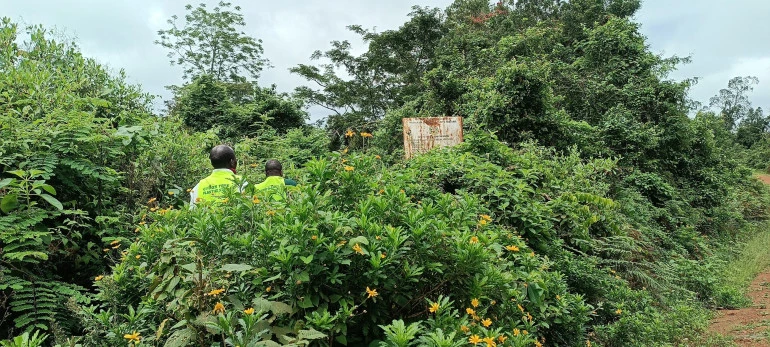
During the visit, I saw how CYDO manages different planting areas. I learned about the challenges and achievements. Despite their admirable capacity to grow trees, they embraced technological advancements, as they've incorporated tools like drones to monitor tree growth rates and provide crucial visual documentation for reporting.
All in all, this trip to Tanzania was more than just a visit. It was a chance to see a community come together, with the help of technology, to bring a forest back to life. Hats off to CYDO and everyone involved in this amazing project!
Discover more about the visit on the project page.


