
Food security is a worldwide term used to define the accessibility to food, and how this impacts the nutrition levels of the population. People with food security are able to have nutritious meals everyday and keep themselves healthy, while low food security defines the population that can be suffering from hunger and malnutrition.
Unfortunately, millions of people worldwide struggle to get enough to eat due to factors like climate change, conflict, and economic instability. When people go hungry, it affects not just their health but also their ability to work, learn, and contribute to society. Solving food security is vital for building a better, more peaceful world.
How Planting Trees Supports Sustainable Food Systems
Planting trees is a simple but effective way to support food security. Here’s how:
- Boosting soil health: Trees like moringa enrich the soil with nutrients and prevent erosion with their roots, creating a better environment for crops to grow.
- Providing food: Fruit trees, such as mango, avocado, and moringa, offer a direct source of food. They provide fruits, leaves, and seeds packed with essential nutrients, helping to diversify diets and improve nutrition.
- Creating better growing conditions: Trees create a stable microclimate. They provide shade, retain soil moisture, and reduce temperature extremes as well as winds that can potentially harm the crops, which benefits nearby crops, especially in areas affected by climate change.
- Supporting nature: Trees attract pollinators and help control pests naturally. This boosts crop production and creates a more balanced ecosystem for food growth.
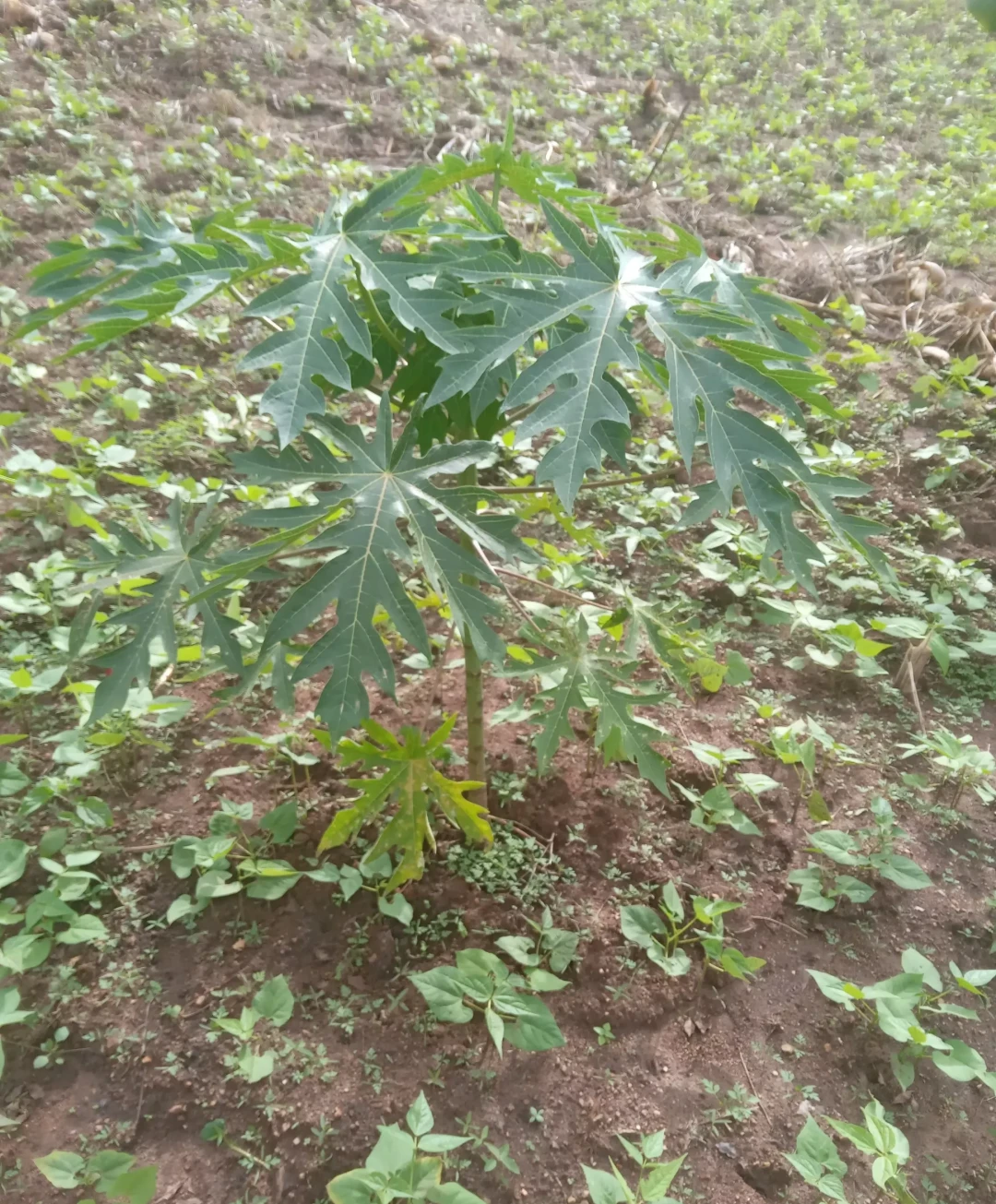
Papaya tree planted at Mlola Biodiversity Restoration, Tanzania.
Our #FoodSecurity Campaign
This month’s #FoodSecurity campaign focuses on planting trees in areas where they’re needed most.
Several of our projects work with the agroforestry approach, which means to plant trees surrounding agricultural crops, mainly to improve the soil health which leads to less use of land and more productivity in the crops, hence more food produced. This has shown good results in France, Bolivia, Tanzania and Uganda, where our agroforestry projects are based.
Other projects work specifically with local communities to plant fruit-bearing and nitrogen-fixing trees, improving food security while empowering people to take charge of their food systems. This not only helps tackle hunger but also boosts local economies and provides long-term environmental benefits.
The Impact on Communities
- Creating Jobs: Planting and maintaining trees provide employment opportunities, from nurseries to harvesting. The fruits can be sold locally, providing income for the participating families.
- Better Nutrition: Trees add variety to diets. Their fruits, nuts, and leaves provide essential vitamins and minerals, improving health and reducing malnutrition.
- Building Resilience: Trees protect land from floods and droughts, stabilize soil, and create a buffer against extreme weather, ensuring crops can grow even in tough conditions.
- Empowering Women: Planting trees close to homes saves time for women who gather food and firewood, allowing them to focus on education, businesses, and family care, benefiting the whole community.
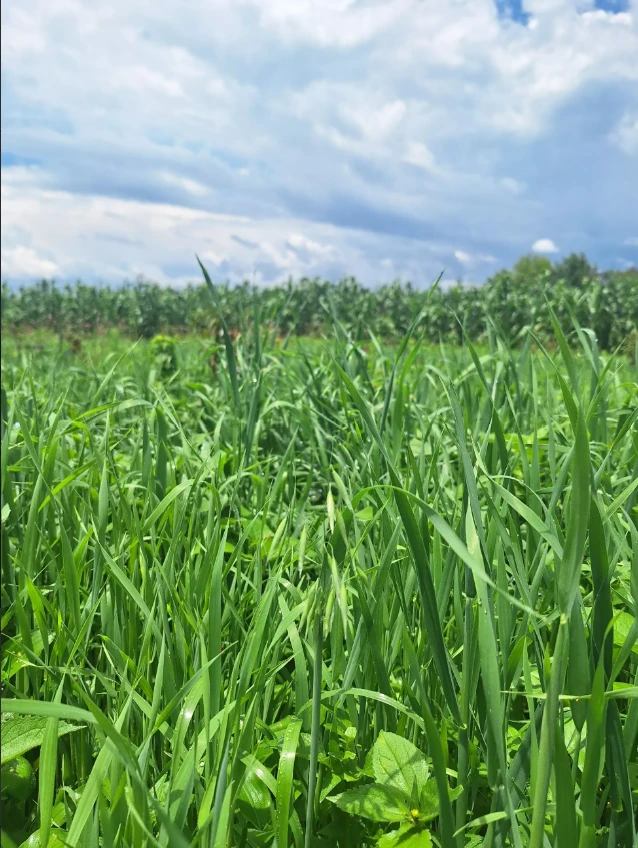
Planting of avena sativa. Agroforestry Systems, Mexico
Planting trees is a powerful way to support global food security, and this month’s #FoodSecurity campaign is a practical solution that directly benefits communities and the planet. By planting trees, we’re investing in a healthier, more secure future for everyone.


