
SANTA CRUZ, December 12, 2025 — Traditional cattle ranching, defined by endless flat grass and direct reliance on rainfall, is being challenged by a new vision that promises to transform sector efficiency and sustainability: the 3D ranching system.
The conventional model is described by its proponents as a "2D game": horizontal surfaces where cattle are exposed to intense sun, and where feed scarcity becomes an immediate panic when the rain stops. The solution, according to experts, requires a paradigm shift towards vertical infrastructure.
🌱 The Architects of Change
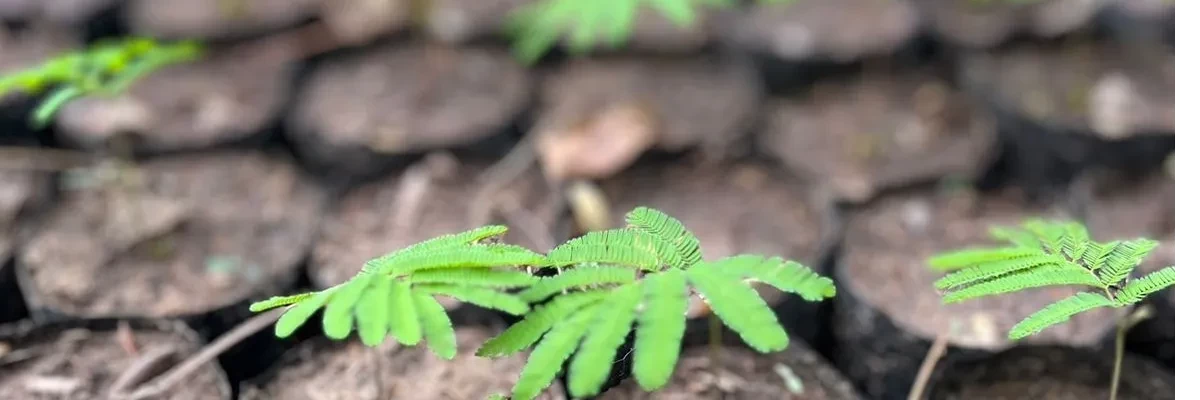
The core components of this 3D system are not sophisticated equipment, but the seedlings currently resting in nursery trays. In just three months, these small plants will be taken out to the pasture to begin building the "vertical infrastructure" of the ranch.
Once established, these trees and shrubs transform the land from a flat map into a multi-layered ecosystem with key benefits for herd management:
- Layer 1 (The Base): The cattle graze below, now protected by natural windbreaks that enhance their comfort.
- Layer 2 (The AC): The canopy provides vital shade, significantly reducing heat stress in the animals.
- Layer 3 (The Pantry): This is where the vertical advantage truly kicks in. Just as the 2D grass dries off and dies during the dry season, these trees act as "living silos," dropping nutritious, protein-rich fodder that keeps the herd fed.
"We are not just planting trees; we are building a ranch that works from the top down. These seedlings are small now, but they represent a massive shift in how we understand ranching," states a project spokesperson.
This approach marks a transition from an inefficient, flat grazing system to a multi-layered ecosystem that ensures the feed supply and well-being of the cattle, even under adverse weather conditions. The adoption of "3D ranching" is positioned as the next major step in securing the resilience of meat production.
Kommentare (0)
Schreibe einen Kommentar