
by Dexter B. Dombro
The following table compares the differences between an analog forest planted for compensation purposes, and a standard commercial monoculture tree plantation in the tropics. While it may generalize issues on occasion, it is broadly correct. This article is a follow-up piece to my previous article The Challenges of Large Scale Compensation Tree Planting in Tree-Nation, and to the Sacred Seeds Botanical Garden article Establishing an Analog Forest.
|
Planted Analog Forest |
Monoculture Plantation Forestry |
|
CO2 capture and carbon sequestration are long term, for 20 to 30 years. |
CO2 capture and carbon sequestration are short term for commercial harvest in 10 to 20 years. |
|
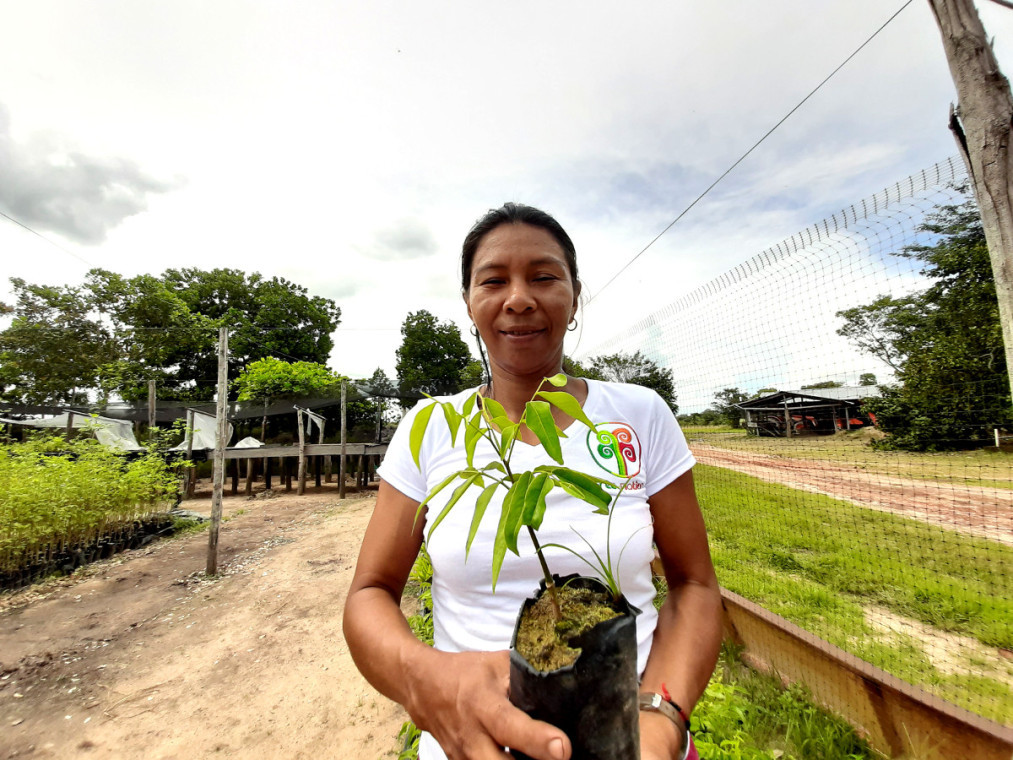
Analog forestry plants a mix of tree species that are designed to emulate the region’s natural forest. |
Plantation forestry uses monocultures with a single, often invasive, exotic or introduced species. |
|
Biodiversity is maintained, planting a variety of native tree species from the region. |
Use of an introduced species that does not support local biodiversity. |
|
Habitat is created for local wildlife dependent on native tree species for food and shelter. |
Does not provide habitat to local wildlife as it is based on introduced tree species. |
|
Good aptitude, as native tree species are adapted to local soil, climate and seasonal conditions. |
Requires a lot of inputs and specific conditions in order to meet commercial growth requirements. |
|
Wildlife corridors are created with habitat, nesting sites and food for passing local fauna. |
Wildlife corridors are created that only provide cover for passing fauna, but not habitat or food. |
|
Analog forestry uses organic fertilizers to protect soil and to not contaminate waterways. |
Commercial forestry uses agrochemical fertilizers that may damage waterways and soil. |
|
Biological controls and organic pesticides are used that don´t harm pollinators, for a resilient forest. |
Agrochemical controls and pesticides are used that harm pollinators and soil fauna, for less resilience. |
|
Undergrowth is controlled by shade from trees and from co-planting with other species. |
Undergrowth is controlled with glyphosates that harm pollinators and kill soil microfauna. |
|
Seeds are collected by local indigenous providers, thereby supporting socio-economic development. |
Purchase of approved seeds from commercial outlets, often genetically modified and treated. |
|
Analog forests encourage natural regeneration of other native tree and plant species. |
Commercial plantation forestry controls the presence of other tree and plant species. |
|
Zero deforestation, no natural forest is cleared in order to plant the analog forest. |
Land is cleared in order to plant a commercial forestry plantation, including natural forest. |
|
Analog forests have non-lumber use of the forest by local communities for fruits, oils, honey, etc.. |
Plantation forests are focused on producing commercial lumber, not non-lumber products. |
|
100% of an analog forest can be declared a private protected area for conservation purposes. |
Only areas outside of the planted monoculture can be declared a natural reserve or conservation area. |
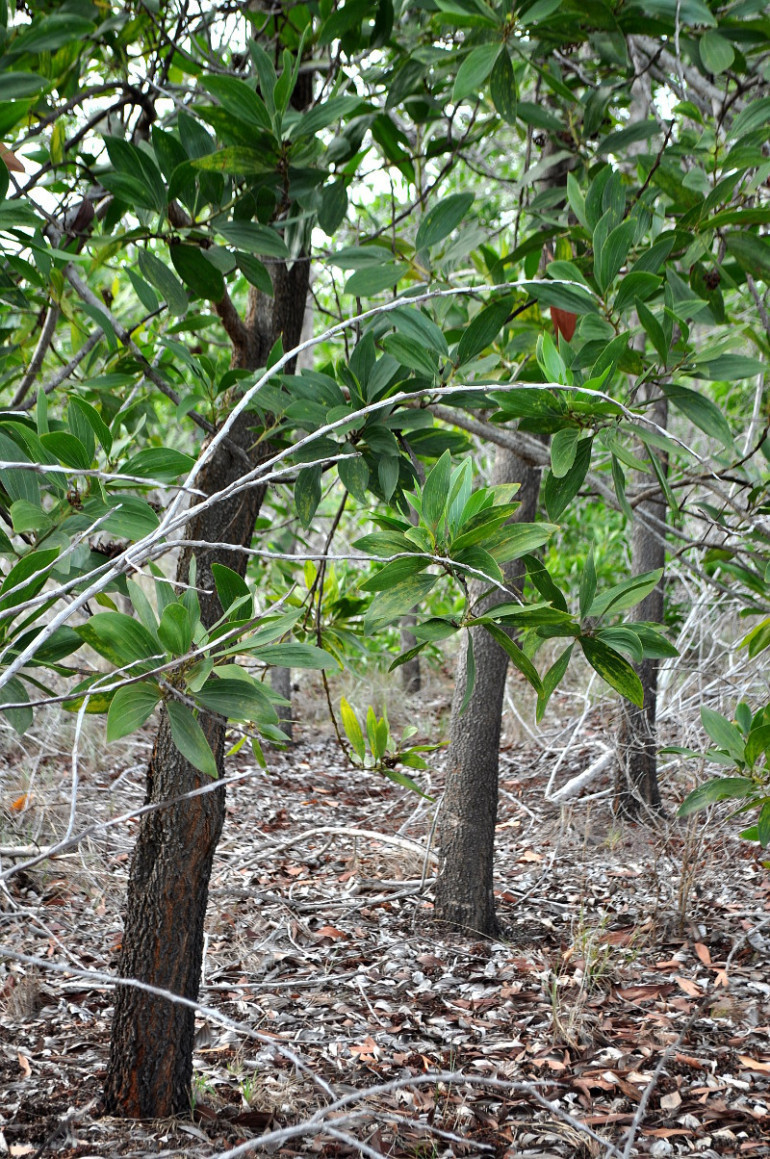
Monocultures generally speaking do not support local biodiversity. Teak plantations away from Myanmar are some of the least biodiverse places one can find. Acacia mangium is a little better, as it produces a lot of honey with its extra-floral nectar, but doesn't offer the nutritional requirements the bees need.
Commercial plantation forestry is important. It produces wood and biomass for furniture, paper, bioenergy and numerous other applications. The point of this table is not to disparage the role of plantation forestry, but rather to point out that its role does not adequately meet the needs of compensation forestry. If we are going to replace the forests being lost around the world, both business and individuals have to start thinking differently about how we compensate for our forest and carbon footprints.
#tnphoto #tnwear #nursery
Kommentare (0)
Schreibe einen Kommentar