
By: Oriana Medina, Tree-Nation Reforestation Impact Manager
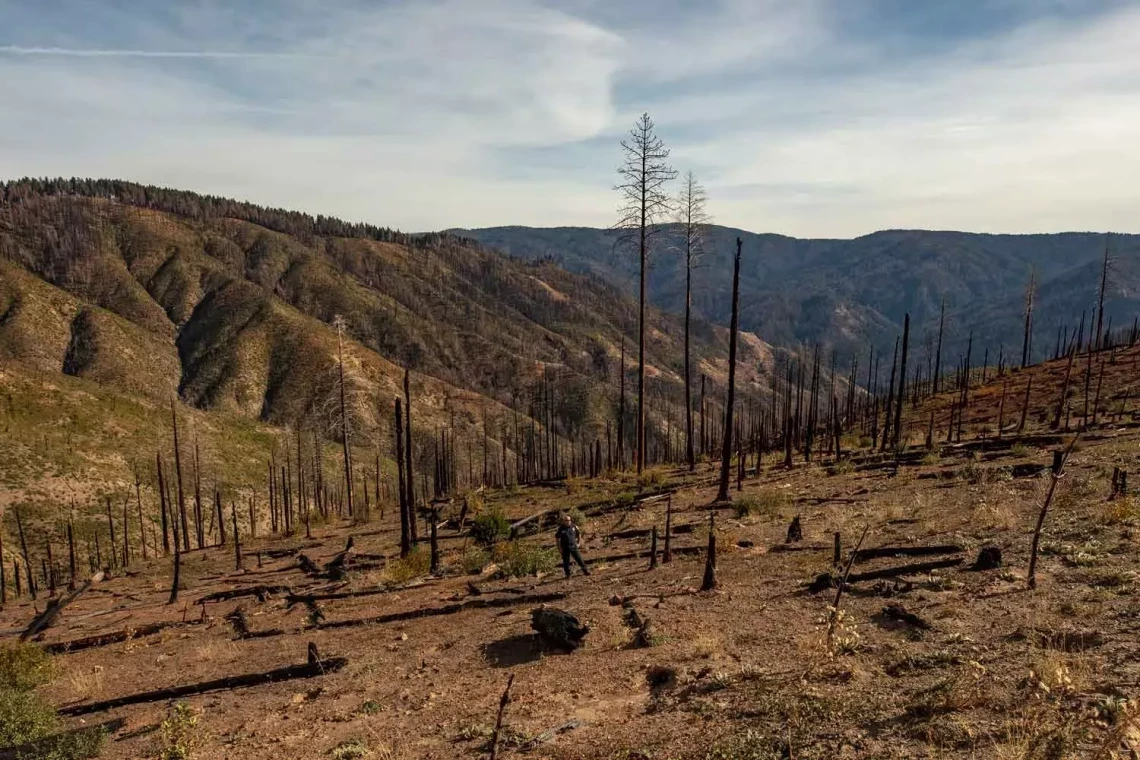
As wildfires become more common around the world, the rescue and nurturing of the forest has never been more imperative. This is why we are very happy to open yet another project in Northern California, United States, called the “Lost Forests Recovery”, with the objective of planting 100,000 trees.
Recent years have seen California grapple with some of its worst wildfire seasons, with many factors contributing. Climate change has been a significant driver, leading to long-term droughts, intense heat waves, early start to growing seasons, and reduced snowpack in the Sierra Nevada. Current studies suggest that the North American West has been undergoing a drought for 22 consecutive years — the most prolonged dry spell in over 1,200 years.
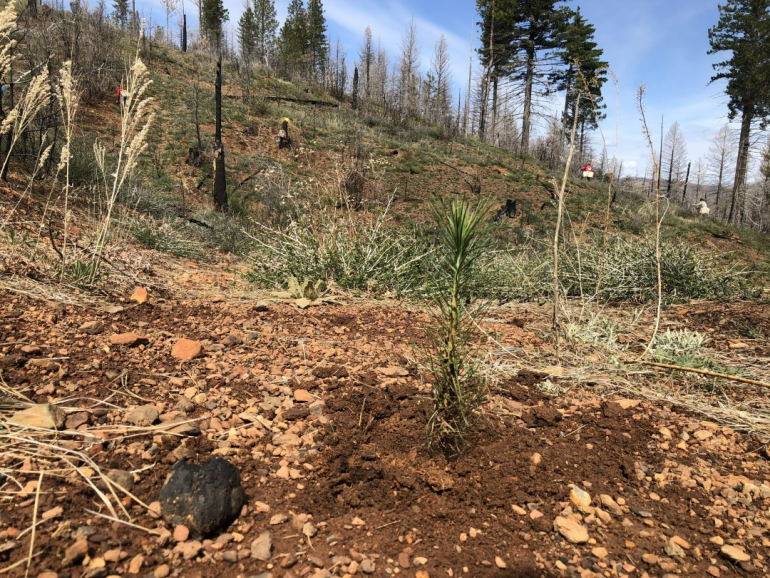 Fig. 1. Newly planted seedlings in the Northern California forests.
Furthermore, a build-up of biomass from insufficient controlled burning has increased the fuel for these fires. This means there's more to burn, making wildfires harder to control. The growth of population in areas prone to fire has also heightened the risks. While peak fire seasons have traditionally been confined to specific months, the reality now is that wildfires can occur at any time of the year in California.
With the support of the US Forest Service, The "Lost Forests Recovery" project is our direct response to these challenges. The project encompasses reforestation of the affected areas and other preventive measures such as controlled burns, forest clean-up of build-up biomass and trash, as well as environmental awareness campaigns for frequent visitors to the National Forests. This is to reduce the likelihood of wildfires and ensure both public and firefighter safety.
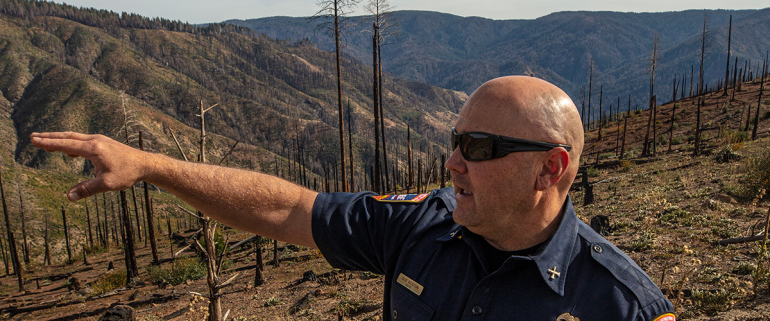 Fig. 2. After a wildfire in Northern California, the local team develops strategies to recover the forest.
All the planting activities are governed by stringent standards. Our trees are planted in locations that provide them with the best opportunity to thrive, ensuring maximum environmental impact. Regular evaluations and potential follow-up plantings are part of our commitment to ensuring the growth of these forests. In addition, these actions help the re-establishment of the seed source for future generations of trees, which can guarantee the future and conservation of these forests.
In essence, this project isn't just about recovery — it's about preparation and fortification for the resilience of California’s natural forests against wildfires and climate change.
Join us in welcoming this mission and start planting trees to recover the burnt forests of California.
Kommentare (0)
Schreibe einen Kommentar