
By: Hugo Bitouzé, Head of Reforestation Tree-Nation Team
Introduction
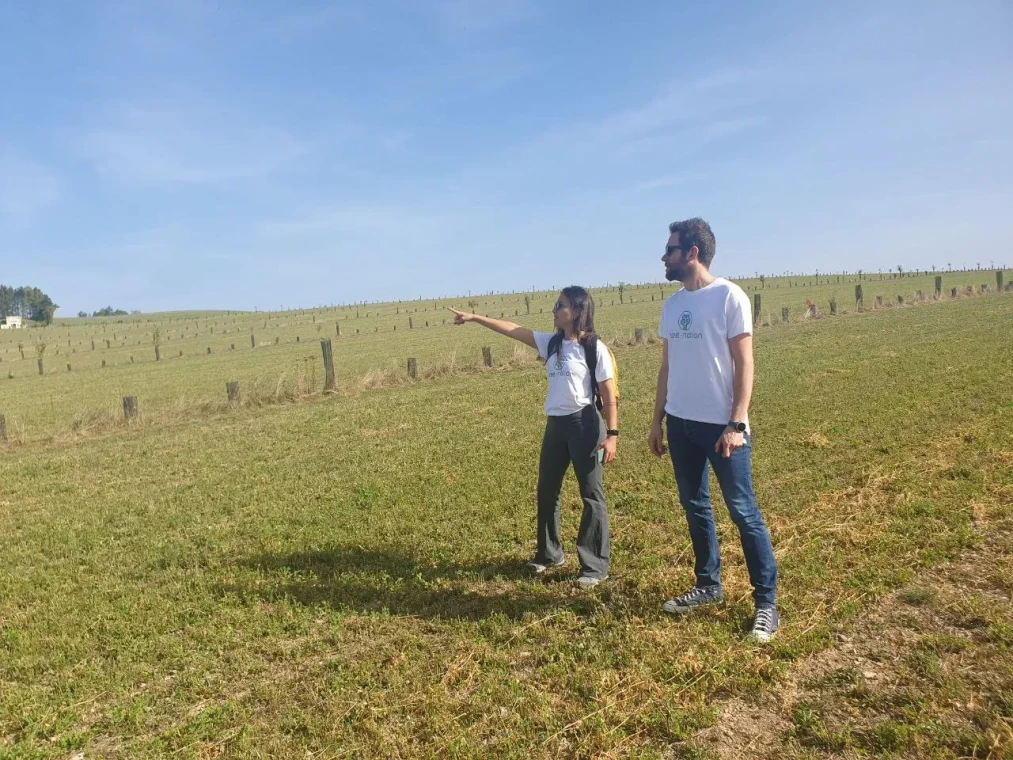
In October 2023, our two Tree-Nation team members set out to do a on-site verification visit of our 2 French projects Agroforesterie et Boisement and Restauration Forêts dégradées, both located in the North-East region of France and managed by the same local team. Since 2018 we have planted 78,201 trees in the Agroforesterie et Boisement project and 186,091 trees in the Restauration Forêts dégradées project.
Alongside the local team, we conducted field surveys on 6 different planting sites. The visit aimed also at understanding the way the project works, their challenges and the mitigation strategies implemented to ensure a good survival rate of the trees.
Background information
French forests have been heavily affected by pests (bark beetles since 2017), fires, diseases, like the fungal disease (ash dieback), and droughts, which have caused great deterioration and deforestation of the forest and its rapidly increasing throughout the entire country.
Driven by the urgent need to address these challenges, the project was launched with the objective of creating more resilient forests that can be stronger against these problems, and can survive in a longer term. By addressing different contexts, like agricultural fields and forests, the project was divided in two, implementing different methods of planting trees.
The Agroforesterie et Boisement project converts agricultural fields into agroforestry systems, combining agriculture with forestry on the same land, and also reforests former agricultural fields that are not cultivated anymore. This method helps transform the current unsustainable agricultural practices, and implement a more balanced strategy that benefits nature and the local farmers, through the use of organic pesticides and fertilizers and strategic tree planting.
On the other hand, the Restauration Forêts dégradées project, which involves replanting plots that have suffered degradation. The goal is to plant species adapted to climate change and to maintain a forest dynamic on these plots, making the forests more resilient to different threats.
The project describes in detail their goals, land management and how they work on their Project Page on our Tree-Nation website, which are also reflected on their key elements.
Our visit
Accompanied by the local team, we visited the following planting sites:
Leuglay - Agroforestry et boisement
Silvarouvres - Restauration Forêts dégradées
Puits - Bourgogne - Agroforestry et boisement
Essarois - Agroforestry et boisement
Balot - Agroforestry et boisement
Marcenay - Agroforestry et boisement
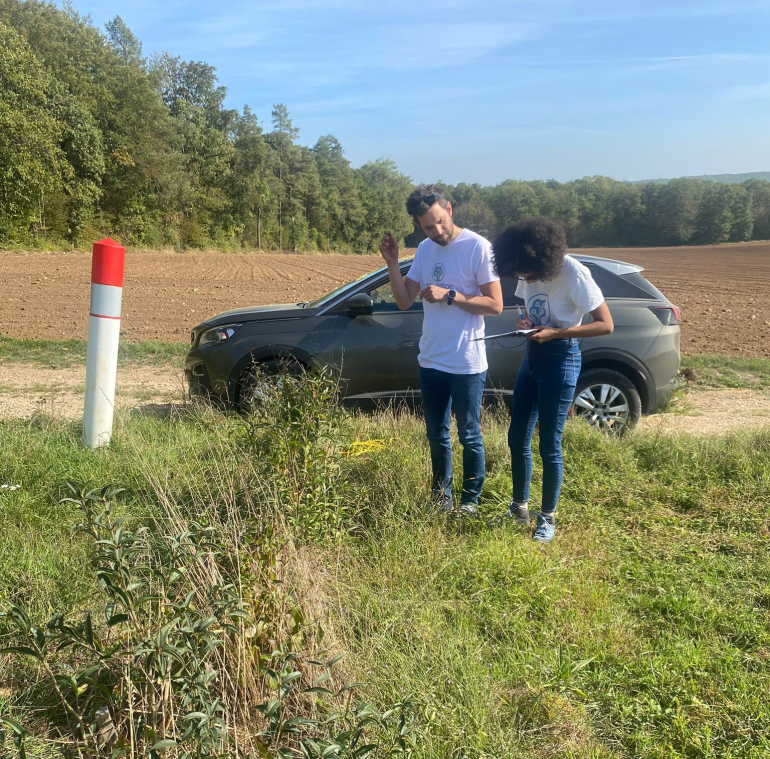 Fig. 1. Tree-Nation monitoring current results
The visit had the specific objective of:
Inspection of the Tree-Nation exclusive planting sites.
Verify elements such as tree density and survival rates on previous planting sites with trees planted in previous years.
Get insights on the project’s monitoring and reporting protocols that include risks and mitigation evaluation and measures.
Meeting and interviewing local planting teams and communities to measure the socio-economic impacts of the project throughout their work.
Discuss ways to strengthen our partnership with the project.
On the ground: Survey methods and findings
Through observation, photo shoots, interviews, video recordings and a tree density and survival rate survey we managed to gather the following information:
Both projects have been able to plant 264,292 trees jointly since 2018, with an average survival rate of 83%, and a tree density of 2,500 trees per hectare. Within the varied list of species, the ones that stand out as they have more percentage planted are between fast growing and fertilizing species, from shrubs like the Locinera xylosteum, to tall trees like the Larix eurolepis.
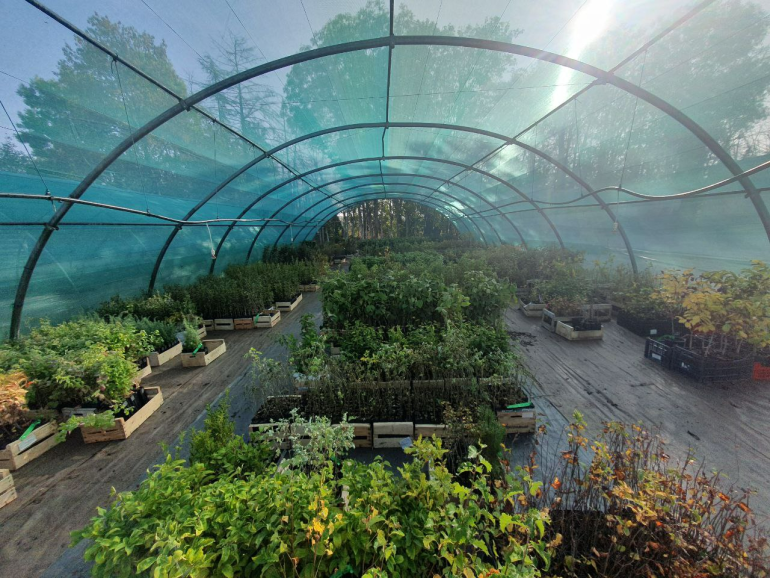 Fig. 2. Tree Nursery
Several key observations were made about the project during the visit. Firstly, they work in separate land plots, so not every planting site is the same, and the species planted can be from a big range in variety or small, depending on the size of the planting site and the context in which it is located. Also, some lands are private and others public, but the project manages to always have a project leader or forest expert that manages the process in order to protect the trees, replant if needed and monitor them throughout their lifespan.
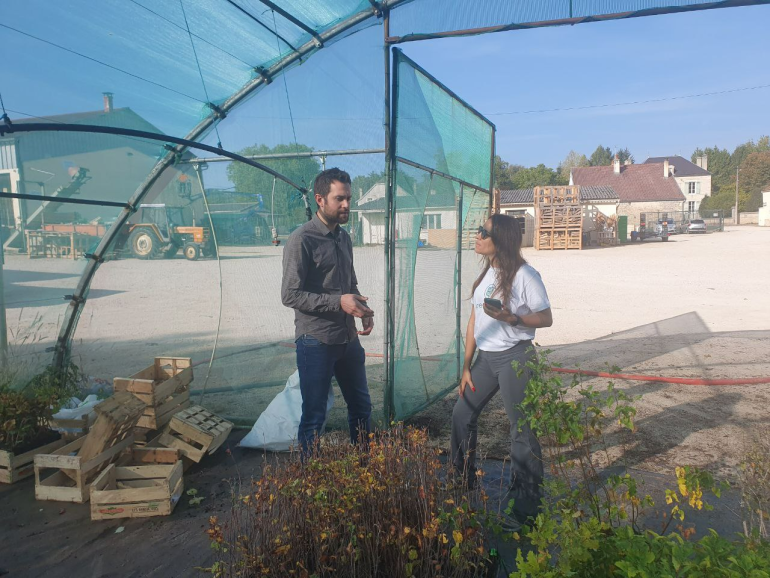 Fig. 3. Interview with the local team
The process of planting starts by identifying the needs of the soil, the characteristics of the forests, and analyzing what actions must be taken to improve the health or sustainability of the forest. To maintain them is the key to their survival and success. The local team plants the trees in year zero, and for the first five years they maintain them by doing what we call clearing. It consists in grinding the grass and any brambles that come back to prevent the trees from being covered by these plants, which could compete with them. This allows the trees to grow effectively for the first five years, and once five years have been reached, the plantation is considered a success.
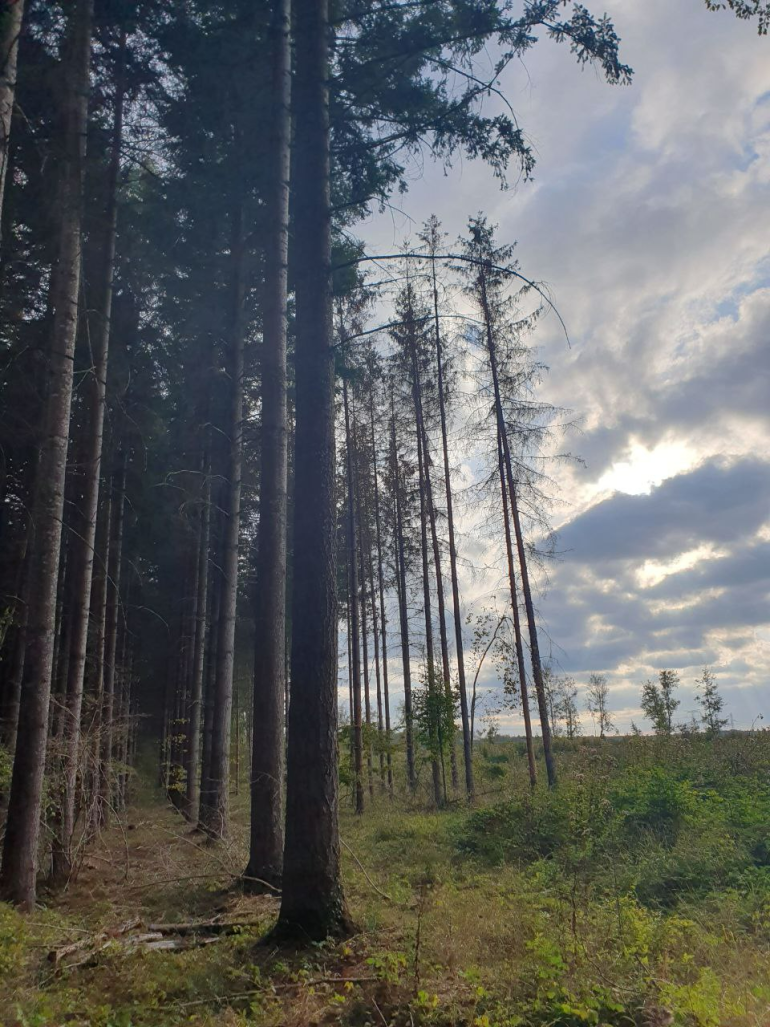 Fig. 4. Forest in maintenance
Risks and mitigation
While interviewing the local team, several risks were identified, as well as the mitigation measures the project is taking to action:
Climate change: Global warming poses a significant challenge to reforestation efforts. Rising temperatures and increasingly dry summers severely impact the survivability of young trees, particularly during their critical first year. The changing climate leads to harsher conditions, making it difficult for saplings to establish and thrive.
Mitigation: To counteract the effects of global warming, the project focuses on experimenting with new, more resilient tree species and adopting innovative planting techniques suitable for French forests. Specific measures include:
Diversifying species: Selecting species that can better withstand drought conditions, ensuring successful establishment and resilience in adulthood.
Seed source variation: Utilizing seeds from diverse geographical origins, including southern France, Spain, or Portugal, to access genetic variations better suited to warmer climates.
Enhanced soil preparation: Implementing strategic soil tilling to facilitate rapid and deep rooting, helping young trees to withstand drought from the outset.
Wildlife interference: Young plants face the threat of being eaten by wild animals, such as deer, attracted to the fresh buds. This predation can significantly reduce the survival rate of newly planted saplings.
Mitigation: The project employs various strategies to protect young trees from wildlife:
Physical barriers: Erecting fences and other barriers to physically prevent animals from accessing the plants.
Natural repellents: Using natural deterrents, such as sheep fat, to discourage deer and other animals from approaching the plantations.
Forest diseases and pests: Forests, especially those in their mature stages, are vulnerable to various diseases and pests. Young forests are generally safe until about ten years of age, but specific species, like spruces in France, are prone to attacks by pests such as the spruce bark beetle, leading to significant damage.
Mitigation: The project's approach to disease and pest management includes:
Adapted protocols: Implementing specific protocols tailored to each type of pest or disease.
Diversity in planting: Avoiding monoculture by planting a mix of species to reduce vulnerability to pests. This strategy is particularly important for new forests, where diversity can significantly increase resilience.
Regular monitoring: Continuous surveillance and intervention by forest managers to identify and address any signs of pest or disease infestation promptly.
By addressing these risks with targeted mitigation strategies, the project aims to ensure the health and longevity of the forests, contributing to a more sustainable and resilient ecosystem.
Overall, the on-site verification provided invaluable insights into the practical aspects of large-scale reforestation. Despite the challenges posed by climate change, wildlife interference, and forest diseases and pests, the projects have demonstrated remarkable success. With an impressive survival rate of 83% and strategic planting of diverse species, these initiatives are not only revitalizing the French forests but also setting a precedent in sustainable forestry practices.
This visit reaffirms the commitment to fostering resilient forests that can withstand the tests of time and climate. By continuously learning, adapting, and applying best practices, these projects contribute significantly to the ecological health and biodiversity of the region, ensuring a greener and more sustainable future for the forests of France.
