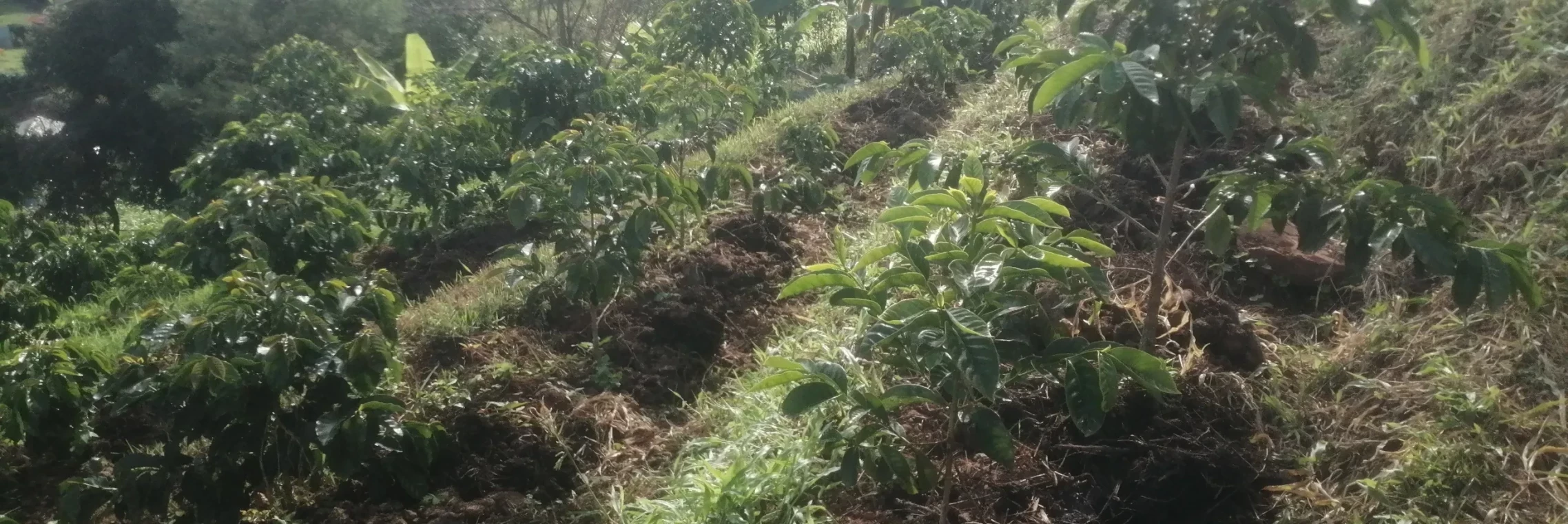

Our project, through its educational outreach on manure application and mulching for Ruiru coffee seedlings planted by the Save the Aberdare Forest Project, in rural farmlands adjacent to Aberdare Forest plays a critical role in promoting sustainable agriculture, environmental restoration, and climate action. Below are benefits of this initiative to the environment, community, and the climate:
Environmental Benefits:
1. Soil Health Restoration:
Manure improves soil fertility by enriching it with essential nutrients like nitrogen, phosphorus, and potassium. This enhances soil structure, water retention, and microbial activity.
2. Erosion Control:
Mulching covers the soil, reducing surface runoff and wind erosion, which is essential in hilly areas around the Aberdare ecosystem.
3. Reduced Chemical Dependency:
Promoting organic manure reduces reliance on synthetic fertilizers, which often lead to soil acidification and water pollution.
4. Improved Biodiversity:
Healthy soils and shaded coffee farms support a diverse range of organisms, including insects, birds, and beneficial microorganisms.
Community Benefits:
1. Increased Coffee Yields and Quality:
Healthy soils and protected seedlings lead to higher survival rates, better growth, and improved coffee bean quality, boosting income for smallholder farmers.
2. Lower Farming Costs:
Using locally available organic manure and mulch reduces farming expenses compared to purchasing chemical fertilizers and pesticides.
3. Knowledge Empowerment:
Farmers gain valuable knowledge in sustainable land use practices, making them more resilient and self-reliant.
4. Youth and Women Inclusion:
The project can engage youth and women in farming activities, contributing to household income and reducing rural unemployment.
Climate Benefits:
1. Carbon Sequestration:
Healthy coffee plants and organic matter in the soil (from mulch and manure) sequester carbon dioxide from the atmosphere, helping to mitigate climate change.
2. Reduced Emissions:
Organic practices minimize greenhouse gas emissions associated with chemical fertilizer production and use.
3. Climate Resilience:
Mulching conserves soil moisture and regulates soil temperature, making coffee farms more resilient to droughts and erratic weather patterns.
4. Agroforestry Impact:
Ruiru 11 coffee varieties often do well under shade, promoting agroforestry systems that integrate trees, enhancing carbon sinks and biodiversity.
By teaching farmers to apply manure and mulch to their Ruiru coffee seedlings, the Kiangure Springs Environment Initiative is not only promoting better farming practices but also contributing significantly to environmental conservation, rural livelihoods, and climate action. This sustainable coffee model strengthens the link between agriculture and conservation in the Aberdare ecosystem and offers a replicable model for other communities across Kenya.
Kommentare (2)
Schreibe einen Kommentar