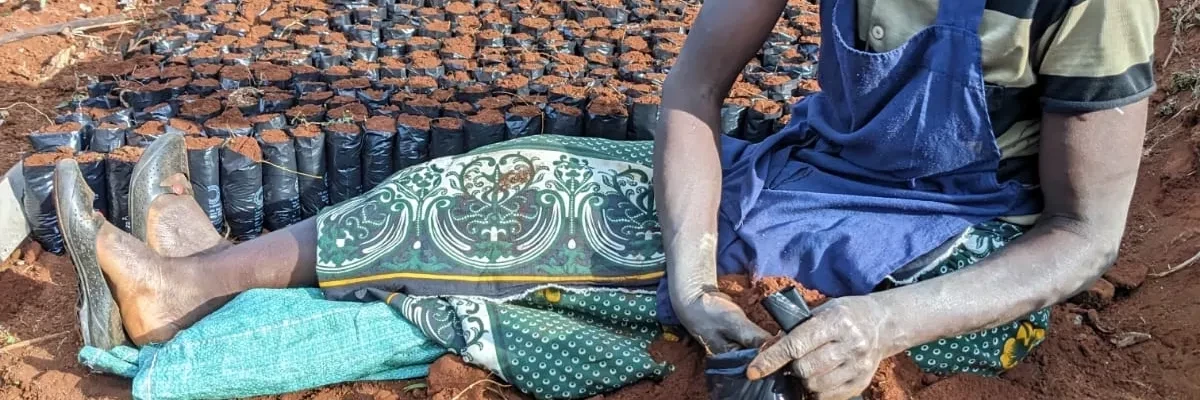

Women and Forest Conservation in the 21st Century
Empowering stewards of nature to protect the Aberdare Forests — Nyeri, Kenya
Forests are much more than scenic landscapes — they are life-support systems. They regulate climate, purify water, preserve biodiversity, and sustain communities. In Kenya, especially around the Aberdare ecosystem in Nyeri County, forests are vital for rainfall patterns, water catchments, and local livelihoods. Yet threats from deforestation, climate change, and unsustainable land use persist. Amid these challenges, women are emerging as powerful champions of forest conservation, redefining how societies safeguard natural heritage in the 21st century.
Why Forests Matter in the 21st Century
The 21st century face an environmental trifecta — climate change, biodiversity loss, and growing human demand for natural resources. Forests are frontline defenses. They:
- Absorb carbon dioxide, buffering climate effects;
- Provide clean water and fertile soils;
- Support wildlife and plant diversity;
- Sustain community livelihoods through food, fuel, medicine, and income.
In the Aberdare region, forests also feed rivers to major water systems like the Tana and Athi basins. Protecting these forests means protecting water sources for millions of Kenyans.
Women: Key Actors in Conservation
Across Kenya and much of the Global South, women are daily dependents and expert managers of natural resources. Their roles connect them intimately with forests:
- Food provisioning — collecting wild foods and maintaining home gardens;
- Fuel and fodder collection — sourcing firewood and grazing resources;
- Medicinal knowledge — traditional healing practices tied to forest species;
- Household water management — fetching and conserving water.
This deep relationship gives women a unique stewardship perspective: protecting forests is not an abstract ideal but an existential need. Despite this, traditional systems have often sidelined them from decision-making tables.
How Women Are Leading Conservation Efforts
In recent decades, women have stepped up as leaders, innovators, and mobilizers in forest conservation:
- Community Forest Associations (CFAs): Women now participate in — and often lead — CFAs that co-manage forests with the Kenya Forest Service. They bring local insights, monitor illegal activities, and plant indigenous trees that support sustainable ecosystems.
- Indigenous Knowledge Integration: Women hold deep traditional knowledge about species, seasons, and ecological interactions. Their expertise enriches reforestation, agroforestry, and sustainable harvesting practices.
- Environmental Advocacy and Education: From schools to village gatherings, women are educating peers about climate change, sustainable use, and forest protection. Their voices are reshaping how communities relate to forests — from extraction to regeneration.
- Economic Empowerment Through Conservation: Eco-enterprises led by women — including seedling nurseries, eco-tourism initiatives, beekeeping, and value-added forest products (e.g., honey, herbal oils) — link livelihoods with forest health. These ventures reduce pressure on forests by creating alternative income paths.
Challenges Women Face
Despite their central role, women still confront barriers:
- Limited access to land rights and finance
- Under-representation in leadership
- Cultural norms that restrict participation
- Limited access to technology and climate information
Addressing these gaps is critical to strengthening forest protection in Aberdare and beyond.
What the 21st Century Demands
To meet global climate targets and protect vital ecosystems like the Aberdares, meaningful action must happen at multiple levels:
Policy and Governance
- Create platforms that guarantee women equal representation in forest governance.
- Support gender-responsive climate and forestry policies.
- Capacity Building
- Train women in sustainable forest management, agroforestry, and climate adaptation.
- Provide access to technology, tools, and extension services.
- Funding and Enterprise Support
- Prioritize women-led eco-business financing.
- Link tree-planting initiatives with income-generating value chains.
- Education and Awareness
- Partner with schools, civic organizations, and media to strengthen public understanding of women’s roles in conservation.
The Save Aberdare Project: A Call to Action
The forests around Nyeri and the Aberdare ecosystem are at a critical crossroads. Their future will depend on inclusive, community-driven conservation — where women’s voices, knowledge, and leadership are not just recognized but central.
By supporting women in tree planting, sustainable forest management, and eco-enterprise, we protect not only trees but entire communities, water sources, and future generations.
When women thrive, forests thrive. And when forests thrive, so does humanity.
Kommentare (0)
Schreibe einen Kommentar