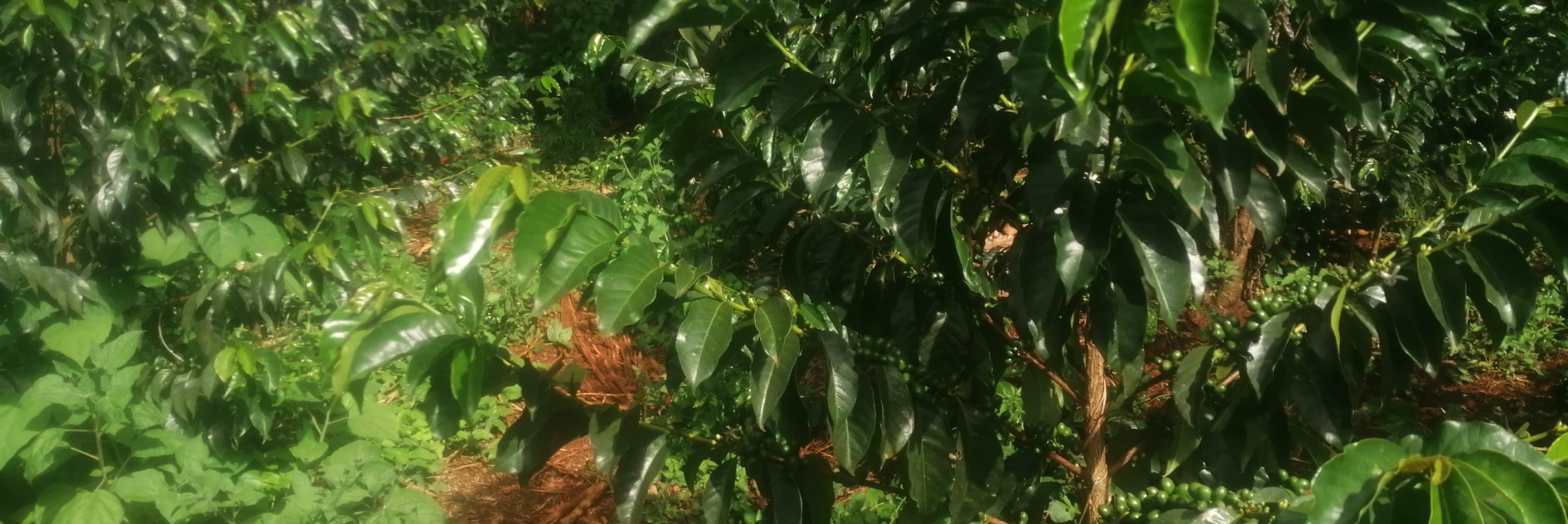

As the world celebrates Mother's Day, it is important to recognize the critical role mothers play in protecting forests and sustaining life in forest-adjacent communities. Beyond nurturing families, mothers are also caretakers of the environment. Their daily interaction with forests makes them among the most important yet often overlooked environmental conservationists.
In many rural communities, especially in countries such as Kenya, mothers depend directly on forests for firewood, clean water, herbal medicine, food, fodder, and building materials. Because of this close relationship with nature, they develop deep indigenous knowledge about trees, rainfall patterns, soil fertility, medicinal plants, and biodiversity conservation. Mothers therefore become the first teachers of environmental responsibility within families and communities.
During Mother’s Day celebrations, society should appreciate how mothers contribute to forest conservation through tree planting, sustainable farming, water protection, and environmental education. Many women organize community tree nurseries, protect riverbanks, and participate in reforestation activities in areas such as the Aberdare Forest and the Mau Forest. Mothers also encourage children to value trees and wildlife, helping to build a culture of environmental stewardship for future generations.
The contribution of women to conservation is clearly reflected in the work of the Green Belt Movement founded by Wangari Maathai. Through this movement, thousands of women and mothers planted millions of trees while fighting poverty, deforestation, and environmental degradation. This demonstrates that empowering mothers is not only beneficial to families but also essential for environmental sustainability and climate action.
However, despite their enormous contribution, mothers living in forest-adjacent communities face many challenges. Poverty forces many families to depend heavily on forest resources for survival, increasing pressure on forests. Mothers often walk long distances in search of firewood and water because of deforestation and drying rivers. Climate change has worsened droughts, crop failures, and food insecurity, making life more difficult for women who are primarily responsible for household welfare.
Human-wildlife conflict is another serious challenge. Communities living near forests frequently experience destruction of crops by elephants, monkeys, and other wild animals. Mothers bear the burden of ensuring food security despite these losses. In addition, women often face limited access to land ownership, financial resources, education, and leadership opportunities in environmental decision-making processes.
Mother’s Day should therefore go beyond celebrations and gifts. It should also be a moment to honor mothers as protectors of nature and advocates for sustainable living. Governments, NGOs, and communities should support women through environmental education, access to clean energy technologies, financial empowerment, and inclusion in forest governance. Supporting mothers in conservation efforts helps protect forests, combat climate change, conserve biodiversity, and improve community livelihoods.
In conclusion, mothers are the silent guardians of forests and natural resources. As we celebrate Mother’s Day, we should recognize and appreciate their contribution to environmental conservation and sustainable development. Protecting and empowering mothers in forest-adjacent communities is essential for building a greener, healthier, and more sustainable future for all generations.
Kommentare (0)
Schreibe einen Kommentar