
The Role of Trees in Creating Pollinator Habitats and the Benefits of Beekeeping in Agriculture
Trees play a fundamental role in sustaining pollinators such as bees, butterflies, birds, and other beneficial insects that are essential for agricultural productivity and biodiversity. By providing nectar, pollen, shelter, and nesting sites throughout the year, trees create healthy habitats where pollinators can thrive. Indigenous and flowering tree species such as croton, acacia, calliandra, grevillea, and fruit trees are especially valuable because they produce abundant flowers that supply bees with food during different seasons.
Trees also protect pollinators by creating favorable microclimates. Their shade reduces extreme temperatures, conserves soil moisture, and acts as windbreaks, allowing bees and other insects to forage more efficiently. Forests, woodlots, riparian vegetation, and agroforestry systems serve as safe breeding and nesting areas, ensuring stable pollinator populations that support both natural ecosystems and agricultural landscapes.
Beekeeping benefits greatly from tree conservation and tree planting. Flowering trees increase the availability of nectar and pollen, resulting in healthier bee colonies and higher honey yields. Strong bee colonies also produce valuable products such as beeswax, propolis, pollen, royal jelly, and bee venom, creating additional income opportunities for rural households. Since beekeeping does not require clearing forests, it provides communities with an economic incentive to conserve trees rather than cut them down.
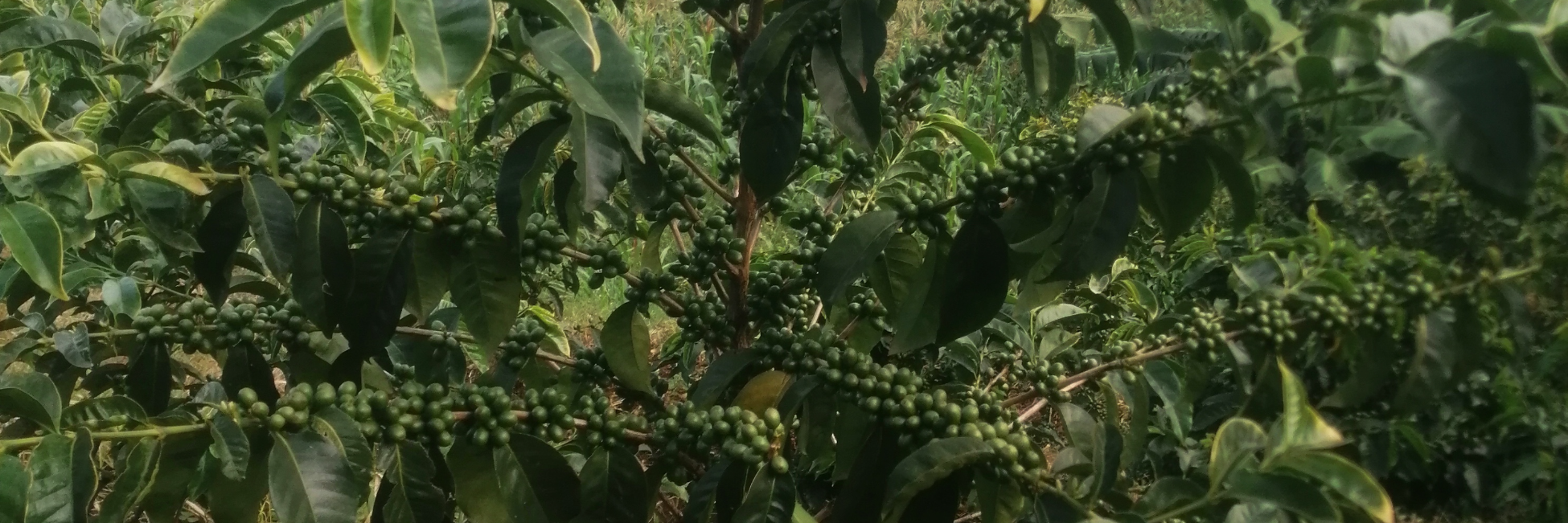
The presence of healthy bee populations significantly improves agricultural production through pollination. Bees increase the quantity, quality, and uniformity of fruits, vegetables, legumes, oilseed crops, and nuts by transferring pollen between flowers. Crops such as coffee, avocado, macadamia, passion fruit, sunflower, cucumbers, pumpkins, mangoes, and many indigenous fruits produce higher yields and better-quality harvests when adequately pollinated. Improved pollination translates into increased farm income, better food security, and enhanced nutritional diversity.
Integrating trees, crops, and beekeeping through agroforestry creates a sustainable farming system. Farmers benefit from improved soil fertility, reduced erosion, increased carbon storage, enhanced biodiversity, and diversified sources of income from timber, fruits, fodder, honey, and other tree products. Such systems are also more resilient to climate change because trees help regulate water cycles and reduce the impacts of droughts and extreme weather.
In conclusion, trees are indispensable for creating and maintaining pollinator habitats that support thriving bee populations. Healthy pollinator communities enhance agricultural productivity, improve biodiversity, strengthen climate resilience, and generate sustainable livelihoods through beekeeping. Promoting tree planting alongside beekeeping and pollinator-friendly farming practices is therefore an effective strategy for achieving environmental conservation, food security, and rural economic development.
This can also be adapted into an article, grant proposal section, training manual, or awareness material for your Kiangure Springs Environment Initiative and Save Aberdare Forest Project.
Kommentare (0)
Schreibe einen Kommentar