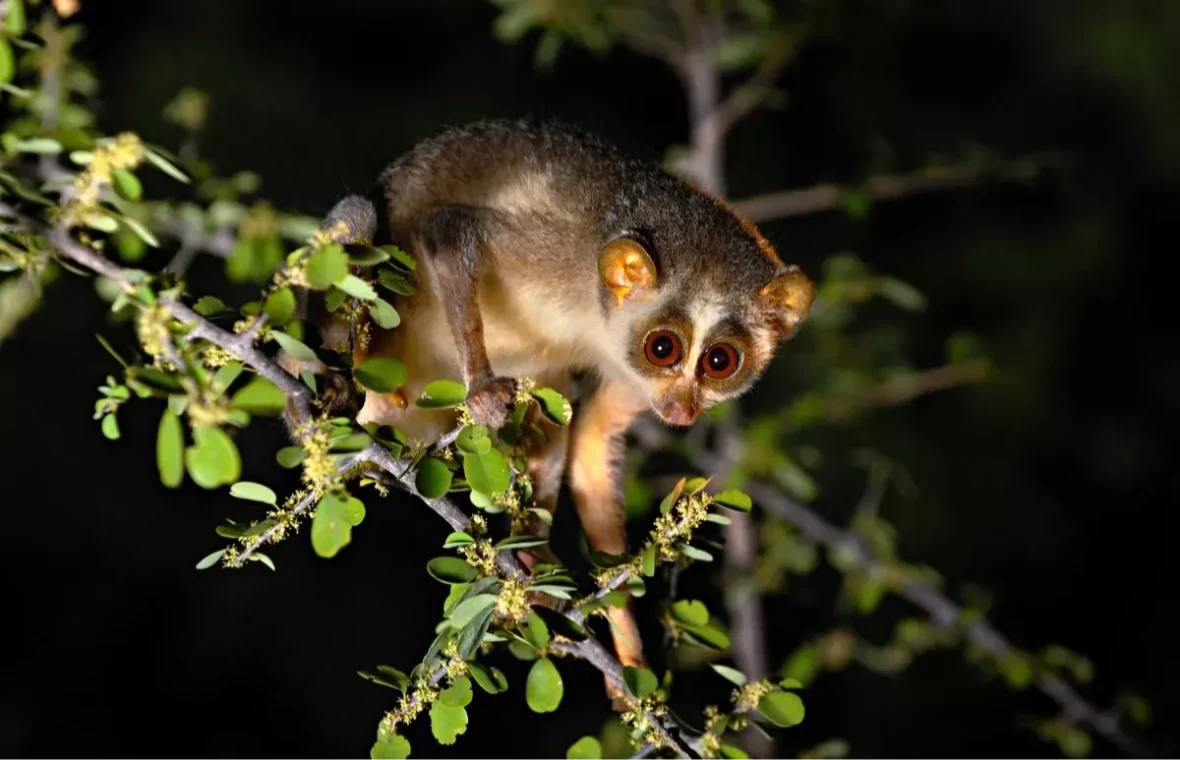

The slender loris, a small, nocturnal primate found in the forests of India and Sri Lanka, is an elusive and endangered species. Its survival depends heavily on the preservation and restoration of its natural habitat. One promising approach to ensuring the slender loris thrives is through organically done plantings. These plantings not only restore the natural environment but also create a sustainable habitat that supports the delicate ecosystem on which the slender loris relies.
The Importance of Organic Plantings Organic plantings differ significantly from conventional reforestation methods. They avoid the use of synthetic fertilizers, pesticides, and herbicides, which can harm the soil, water, and biodiversity. Instead, organic plantings emphasize natural processes and materials that promote soil health, water retention, and biodiversity. This approach is particularly beneficial for the slender loris, whose habitat requirements are specific and sensitive to chemical disruptions.
Benefits for Slender Loris Habitat Biodiversity Enhancement:
Organic plantings encourage the growth of a diverse range of plant species. This diversity is crucial for the slender loris, which relies on a variety of insects, fruits, and plant exudates for food. A biodiverse habitat supports a healthy population of prey species, ensuring the slender loris has a consistent food supply.
Chemical-Free Environment: The avoidance of synthetic chemicals in organic plantings protects the slender loris from exposure to harmful substances. Pesticides and herbicides can reduce insect populations, which are a primary food source for the loris. Moreover, these chemicals can accumulate in the loris's body, leading to health problems and reproductive issues.
Soil Health and Water Retention: Organic plantings improve soil structure and fertility through the use of natural composts and mulches. Healthy soil supports robust plant growth, which in turn provides better cover and nesting sites for the slender loris. Improved soil health also enhances water retention, ensuring the availability of water during dry periods, which is vital for the loris and other wildlife.
Habitat Connectivity: Organically planted areas can serve as corridors connecting fragmented habitats. This connectivity allows slender lorises to move between different parts of their range, increasing their chances of finding food, mates, and safe resting places. It also reduces the risk of inbreeding by facilitating genetic exchange between isolated populations.
Community Involvement and Sustainable Practices: Organic planting projects often involve local communities, promoting sustainable land-use practices. By engaging communities in habitat restoration, these projects foster a sense of stewardship and responsibility towards the environment. This community involvement is crucial for the long-term success of conservation efforts, as locals are more likely to protect and maintain the restored habitats.
Organically done plantings represent a sustainable and effective approach to habitat restoration for the slender loris. By enhancing biodiversity, protecting against chemical exposure, improving soil and water health, and fostering habitat connectivity, these plantings create a thriving environment for the slender loris. The involvement of local communities further ensures the long-term success and maintenance of these habitats.
Kommentare (0)
Schreibe einen Kommentar