Zimbabwe Reforestation Initiative

Zimbabwe Reforestation Initiative

ZW Simbabwe

94.3  Qualitätsbewertung 

The Reforestation Initiative in Zimbabwe aims to restore degraded land in schools and communities by creating sustainable fruit tree orchards with both indigenous and exotic species. It also supports projects like honey production and promotes agroforestry and economic growth. By engaging local communities and schools, the initiative fosters environmental stewardship, enhances food security, and builds climate resilience.

1,992von 4,800 Bäumen finanziert
38 TCO2 kompensiert
355Follower
Pflanzen ab 5 €
Updates Informationen Standorte Arten Fragen Rezensionen Verifizierung Bäume
Students
32 Updates
July 2026

Grafting orange trees offers several advantages: it ensures uniform fruit quality, accelerates maturity, and enhances disease resistance. It allows combining desirable traits from rootstock and scion, improves yield, and adapts trees to diverse soils. Additionally, grafting preserves

Mehr anzeigen
23 Jul 2026

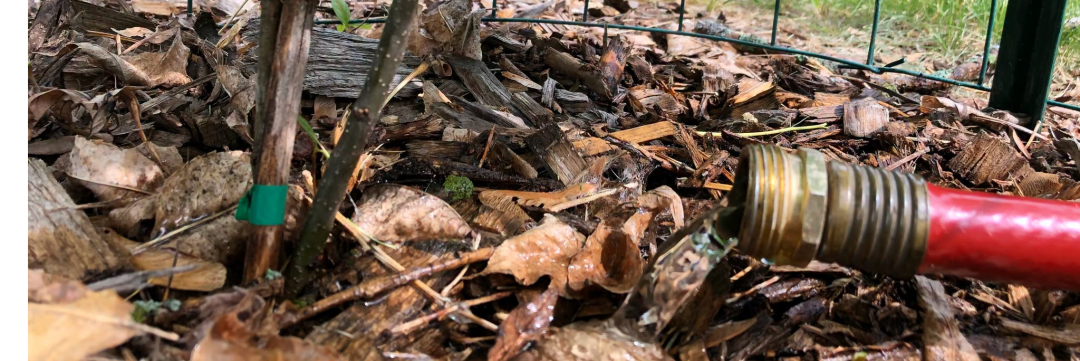
The Importance of Watering Trees

Watering trees is vital for their survival, growth, and long-term health. Trees rely on consistent moisture to transport nutrients, develop strong ...

Weiterlesen
March 2026

We continue to use top quality tree seedlings for high survival rates.

30 Mar 2026

During the Kubiqi International Desert Forum (China), we had a chance to share our reforestation experience in Zimbabwe.

30 Mar 2026

We had a chance to discuss conservation and how we can scale the fight against desertification during UNCCD CRIC23 in Panama.

30 Mar 2026
January 2026

Clean potting soil is vital for healthy plant growth. It prevents pests, diseases, and weed contamination, ensuring strong root development and nutrient absorption. Sterile soil promotes better drainage and aeration, reducing the risk of root rot. Using clean soil supports vigorous

Mehr anzeigen
23 Jan 2026

Grafting fruit trees enhances disease resistance, improves fruit quality, and accelerates maturity. It allows combining desirable traits from different plants, ensuring consistent yields. Grafted trees often bear fruit sooner than seedlings and adapt better to local conditions. This

Mehr anzeigen
23 Jan 2026

The leaf shows a severe mealybug infestation, marked by white cotton-like clusters and black sooty mold. These pests drain plant sap, weakening growth and inviting fungal infections. To treat, remove affected leaves, apply neem oil and improve air circulation to restore plant health

Mehr anzeigen
23 Jan 2026
October 2025

A young student inspects a tree sapling with for any pests or diseases. Every tree planted restores ecosystems and empowers local stewards. Together, we’re growing hope—one seedling at a time.

31 Oct 2025

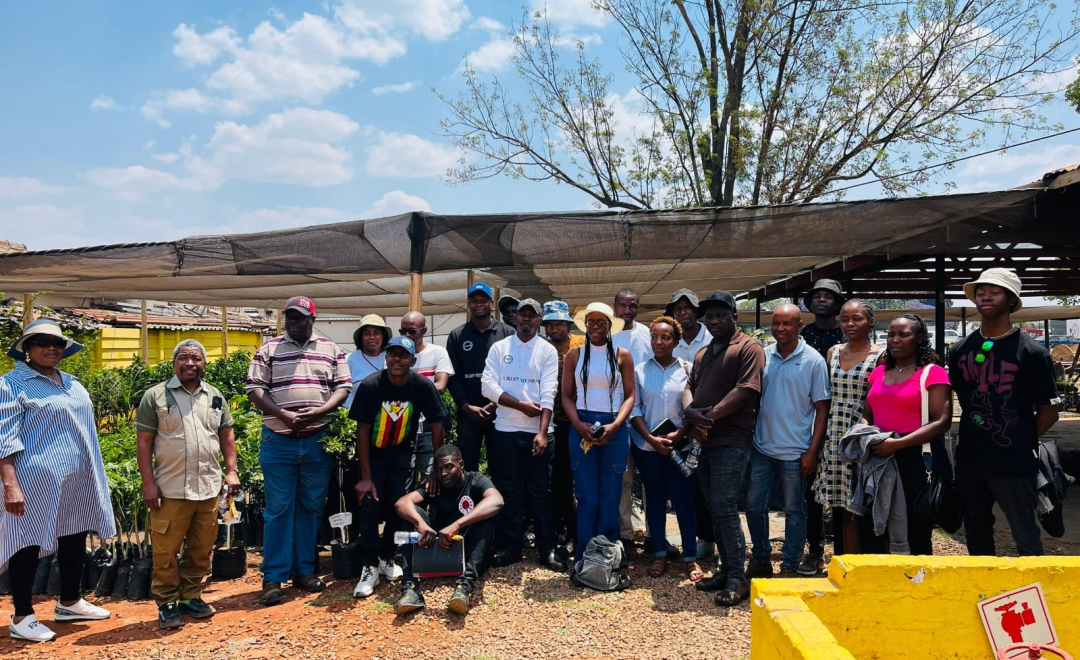
We continue to undertake trainings to equip communities with tree management skills that are vital for the success of planted trees.

31 Oct 2025

Good tree nursery management keeps pests and diseases away maximizing in-field productivity.

31 Oct 2025
September 2025

To ensure high success rate on planting, our trees take longer time on nursery. This gives them high resistance to climate vulnerabilities including drought.

30 Sep 2025

People as far a Somalia are excited to learn about the Zimbabwe Reforestation Initiative. We believe our indigenous knowledge inspire similar initiatives beyond the boarders.

30 Sep 2025

Whenever we get the chance we educate people on the Zimbabwe Reforestation Initiative. They learn about tree adaptation, tree based products and how they can be part of a supportive community.

30 Sep 2025
August 2025

The advantage of planting grafted trees as part of our initiative is to timely and immediately provide fruits to the community in less than two years. At this stage, our citrus trees already shows signs of fruiting at nursery level as their season has arrived.

31 Aug 2025