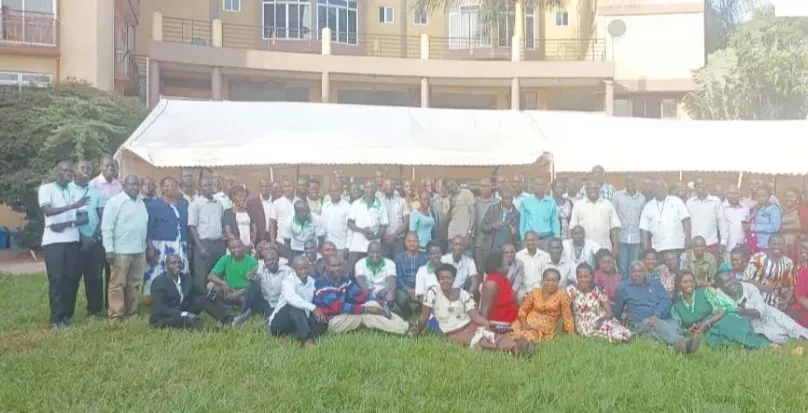

The TIST Uganda Program has evolved beyond its primary focus on tree planting, underscoring the importance of a holistic approach to environmental conservation and community well-being. This integration of multiple co-benefits, aptly termed "TIST Best Practices," aims to enrich the lives of farmers and make their households more sustainable and resilient.
What are the TIST Best Practices?
Construction of Energy-Efficient Cooking Stoves: Promoting a cleaner and more energy-efficient way of cooking, reducing deforestation and indoor air pollution.
Establishment of Nursery Beds: A sustainable method to ensure a continuous supply of saplings for reforestation efforts.
Fruit Tree Growing: Encouraging farmers to grow fruit trees not only aids in diversifying their income but also ensures nutritional security.
Promotion of Women in Leadership: Championing the role of women in decision-making processes and community initiatives.
Training Seminars: Regular workshops and seminars to equip farmers with the latest in sustainable farming practices.
Continuing Education for Employees: A focus on lifelong learning to ensure employees remain updated and skilled.
Grooming Leaders Through Rotational Leadership: Encouraging different members of the community to take on leadership roles, ensuring diverse perspectives and continuous community engagement.
Emphasis on Nutrition: Advocacy for balanced diets and the growing of nutritional crops.
Practicing Conservation Farming: Techniques that ensure the sustainable use of land, enhancing soil health and crop yields.
In conclusion, the TIST Uganda Program is a testament to the fact that environmental conservation and community welfare can go hand in hand. By doing so, we not only ensure our well-being but also contribute meaningfully to the preservation and enhancement of our environment.
Comentarios (0)
Deja un comentario