
INTRODUCTION
Dear environmental practitioners, today we would like to share with you what we call behind the scenes during and when we transport our ready trees from our nursery to planting site/field for plantation. We often admire established trees in a new development, but rarely consider the complex process and careful planning that happens 'behind the scenes' to ensure their survival. Beyond the visible results, a significant amount of coordination, specialized equipment, and careful technique goes into the successful transplanting of ready trees. So while the finished landscape looks seamless, the journey of relocating these mature trees was an intricate engineering feat, requiring substantial resources and time.
Transplanting a tree is often compared to a delicate surgery; this article will take you 'behind the scenes' to reveal the critical steps and potential trauma the tree endures during the operation. From the initial root pruning (often done months in advance) to the final watering, the success of a tree move lies in the detailed 'behind the scenes' preparation that most people never see including you. Moving a large tree is about much more than just digging a hole; come with us 'behind the scenes' today as we navigate the challenges of preserving a large root ball and minimizing transplant shock.
HOW OUR TREES LOOK LIKE WHEN THEY ARE READY FOR TRANSPLANTING
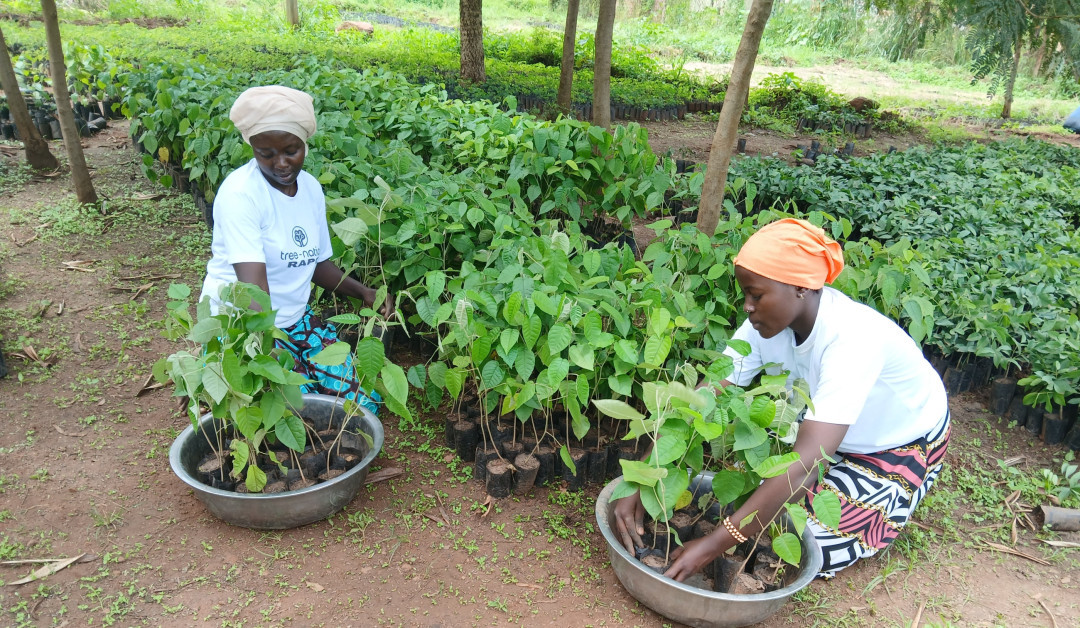
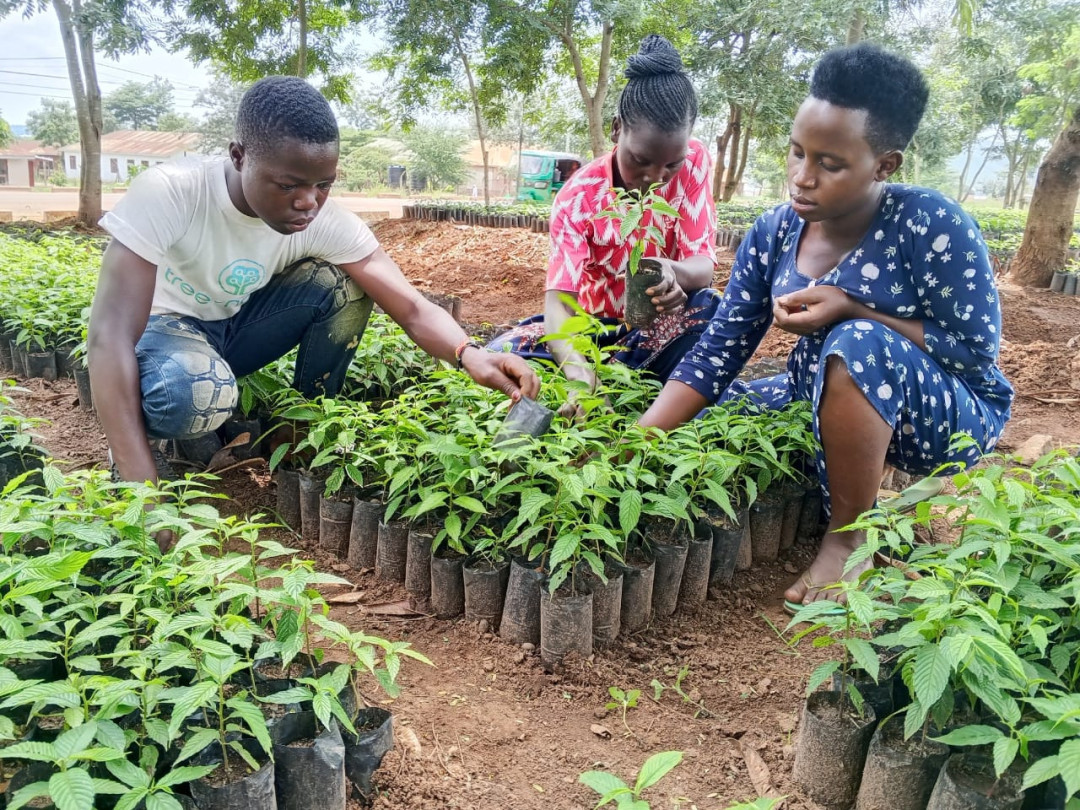
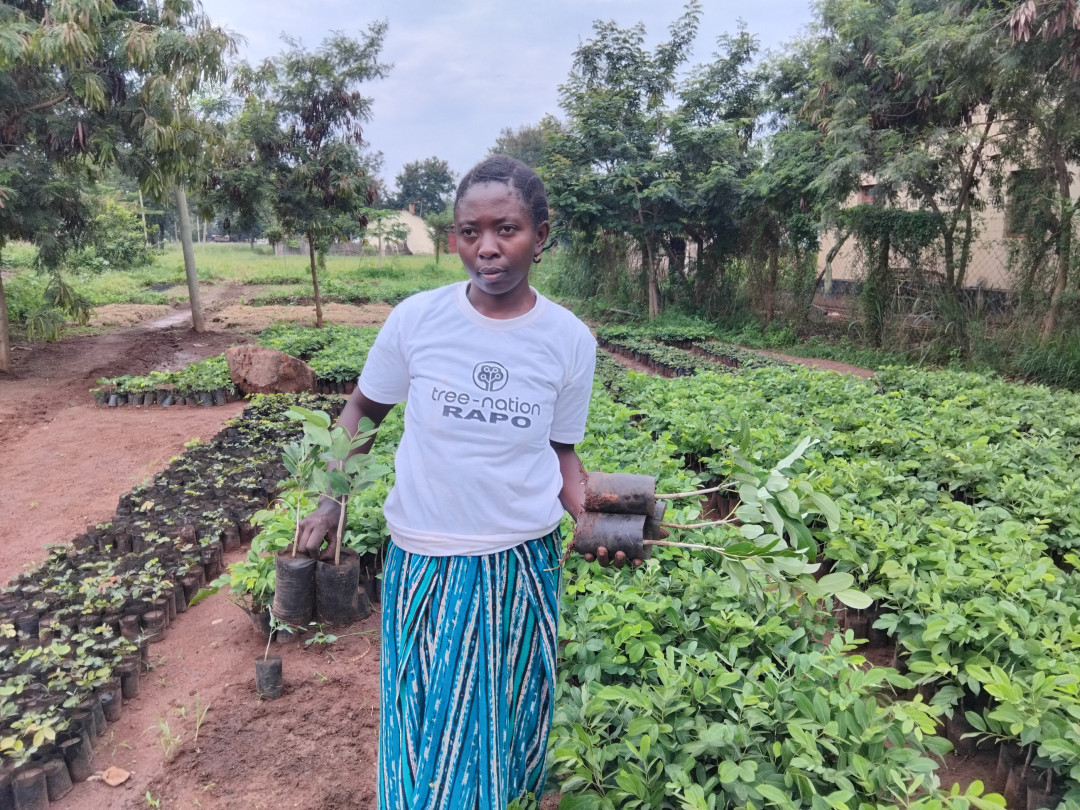
Before transplanting, we ensure the trees have reached the optimal height of at least 12 inches and display a sturdy stem caliper. The young trees are in a juvenile stage, with sufficient stored energy reserves in their stems and roots to withstand the stress of transplanting. Seedlings were selected for their uniform size and appropriate shoot-to-root ratio, essential for post-transplant survival. The saplings exhibit robust health, with vibrant green leaves and no signs of pests or disease. All seedlings are vigorous and hardened off, making them suitable candidates for field planting. The nursery stock appears uniformly healthy and well-acclimatized to outdoor conditions.
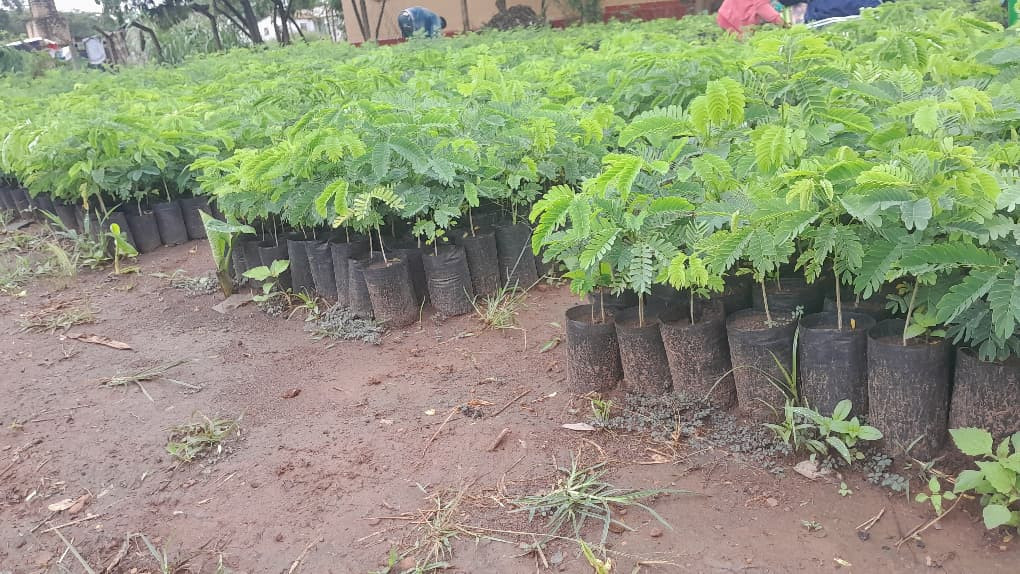
The root systems of the nursery stock are well-developed and fibrous, efficiently filling their containers without being root-bound. Inspection of the root balls confirmed healthy, white roots, indicating the trees are ready to establish themselves in the soil. Care was taken to ensure the seedlings were extracted with intact root systems to minimize transplant shock. The nursery manager confirmed the trees are dormant and properly prepared for their transition to the site. Seedlings are currently in a conditioned state, having undergone proper hardening off in the nursery. Only the hardiest and best-developed trees were chosen for the final transplanting phase.
OUR TREES TRANSPLANTING PROCESS.
The process starts at transporting trees, which is generally involves several stages, from preparation at the source to final placement at its destination this includes the following stages:
Stage 1: Preparation
The process begins with careful planning to select the right tree and prepare the necessary equipment.
Our team use specialized equipment to dig a stable root ball, ensuring minimal damage to the critical root mass. Before transport, the root ball is meticulously wrapped in burlap and secured to protect it from drying out and physical damage. For very large trees, hydraulic tree spades are utilized to efficiently excavate the tree while keeping the root system intact.
Stage 2: Loading and Transport
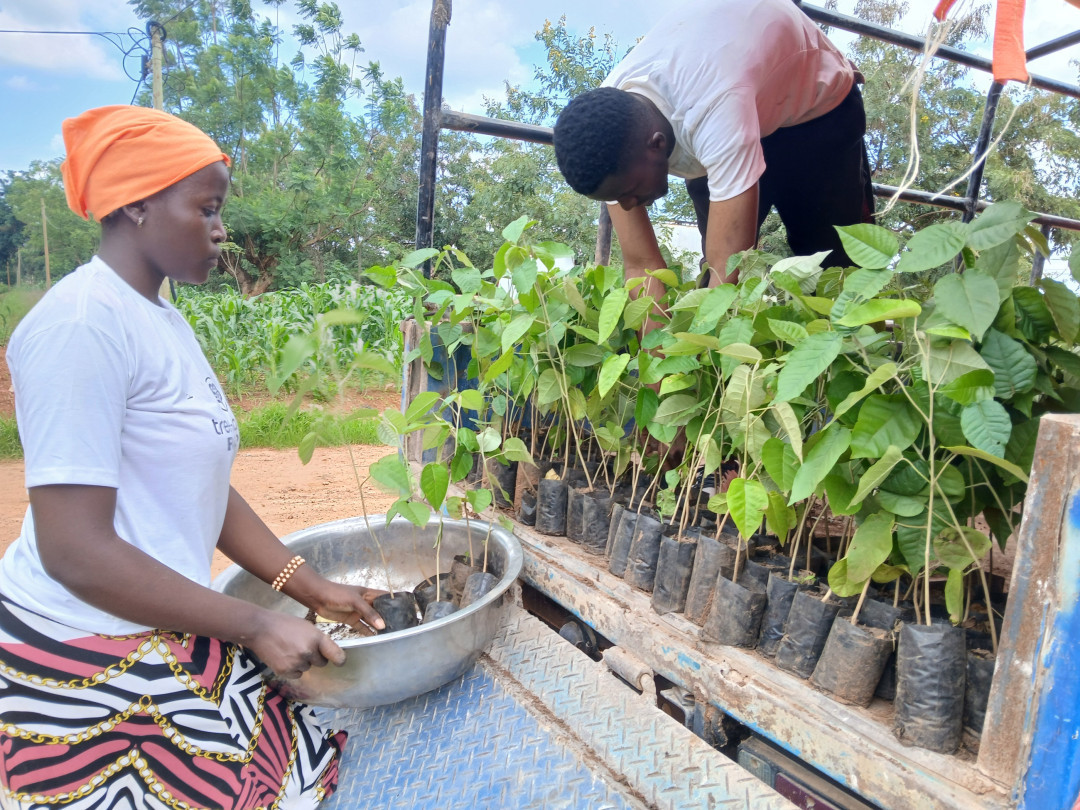
Because we do not have our own vehicle for transportation, A renting pickup truck is required to carefully load the secured tree by arranging them in the pickup bed. Loading trees from a nursery to a pickup for planting involves careful handling, proper packaging, and protection from environmental stress (wind, sun, heat) to ensure seedling survival. During transit, the tree is securely fastened to the vehicle to prevent shifting and wind damage to its branches.
But sometimes the actual transport phase involves carefully driving the tree to its new location, often requiring permits and special routing for oversized loads.
Stage 3: Unloading and Planting
Upon arrival at the new site, the tree is carefully unloaded using the same heavy equipment used for loading.
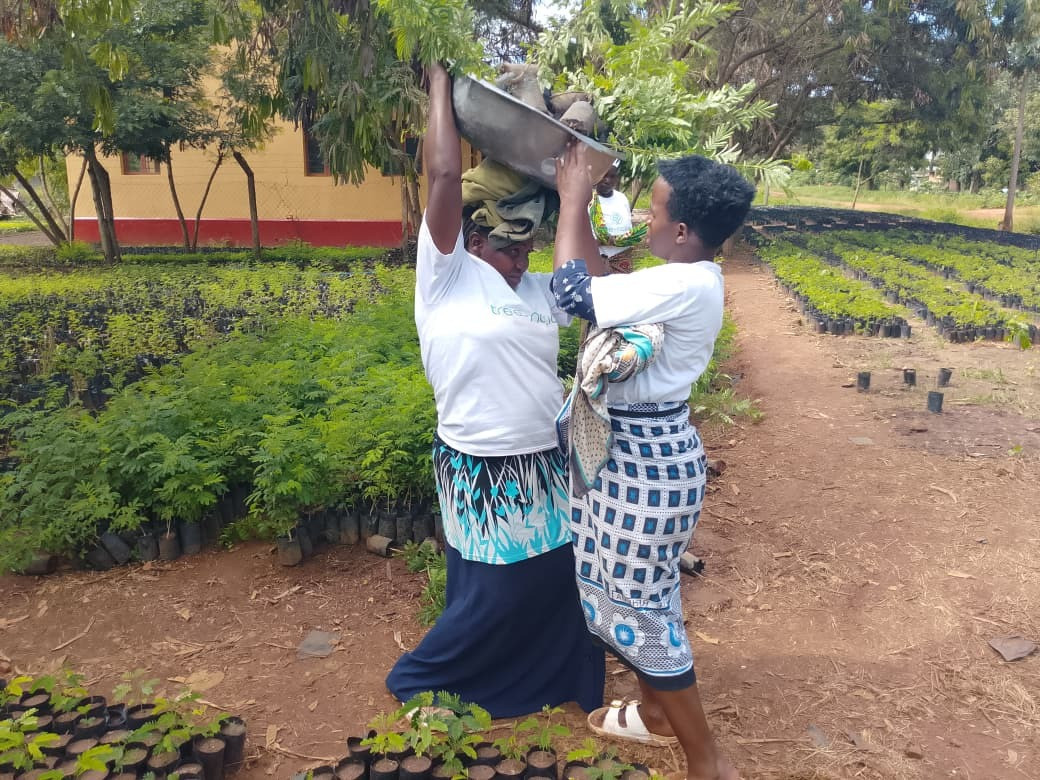
The final stage is planting the tree into its pre-dug hole, we ensure the correct depth and orientation. And during unloading we need to explain the proper process for unloading tree saplings from a truck for plantation to ensure the health of the saplings and the success of the reforestation effort like here:
To handle trees effectively for field plantation after transport, prioritize minimizing stress and physical damage to ensure successful establishment. The process involves preparation, proper unloading techniques, temporary storage, and careful handling before planting.
CHALLENGES DURING TRANSPLANTING.
During Transplanting our trees behind the scene we have been passing through the hardest situations especially when we transport our sapling trees to the field, first of all we do not have our own transport means so when we book for a pickup it is so expensive because loading trees it needs more time, energy and money starting from arranging them in the pick up to unloading them to the site locally, so due to fact that you may find that the time we starting loading our trees is during the day plus the long distance from our nursery to our planting site sometimes we find ourselves arriving late and it's already late at midnight. Hence all these involves a combination of logistical difficulties due to poor infrastructure, environmental stress on the saplings, and operational challenges related to working in remote areas after dark.
To make you understand here below are the key challenges which includes:
- Poor Road Conditions: Unpaved and poorly maintained roads are common in our region, making transport slow and arduous. This often necessitates four-wheel drive vehicles and can become impossible during the rainy season.
- Long Distances to Remote Sites: The sheer distance to far-off plantation sites in isolated areas means longer transport times, increasing the risk of sapling stress and the need for careful planning.
- Lack of Supporting Infrastructure: Limited telecommunications and unreliable electricity in remote regions make communication, tracking, and coordination difficult during the night.
But also by transporting at night is already a good practice, as the cooler temperatures and lack of direct sunlight reduce heat stress and water loss from the trees.
By planning ahead and using passing through this situation, we can ensure our trees arrive safely at their planting location, even without a dedicated unloading during the day time.
THE HARDEST PLANTATION SITE WE HAVE.
One of our planting sites is River Ligembe planting site, where we planting trees across river banks (riparian planting) which is crucial for stabilizing the soil to prevent erosion, reducing flooding by slowing runoff, filtering pollutants (like fertilizers and pesticides) from entering the water, and creating vital habitats and food sources for wildlife, all while cooling the water and improving overall river health and biodiversity. These trees act as natural buffers, absorbing excess water, anchoring the soil with deep roots, and providing shade, benefiting both the ecosystem and nearby communities.
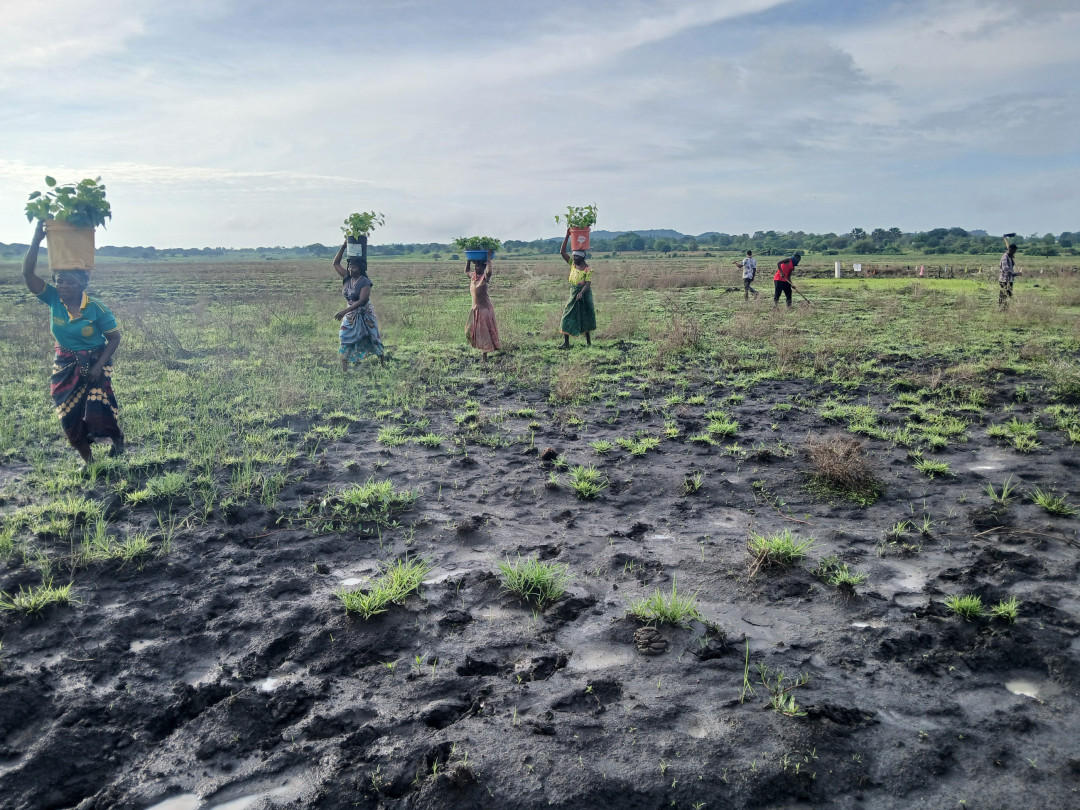
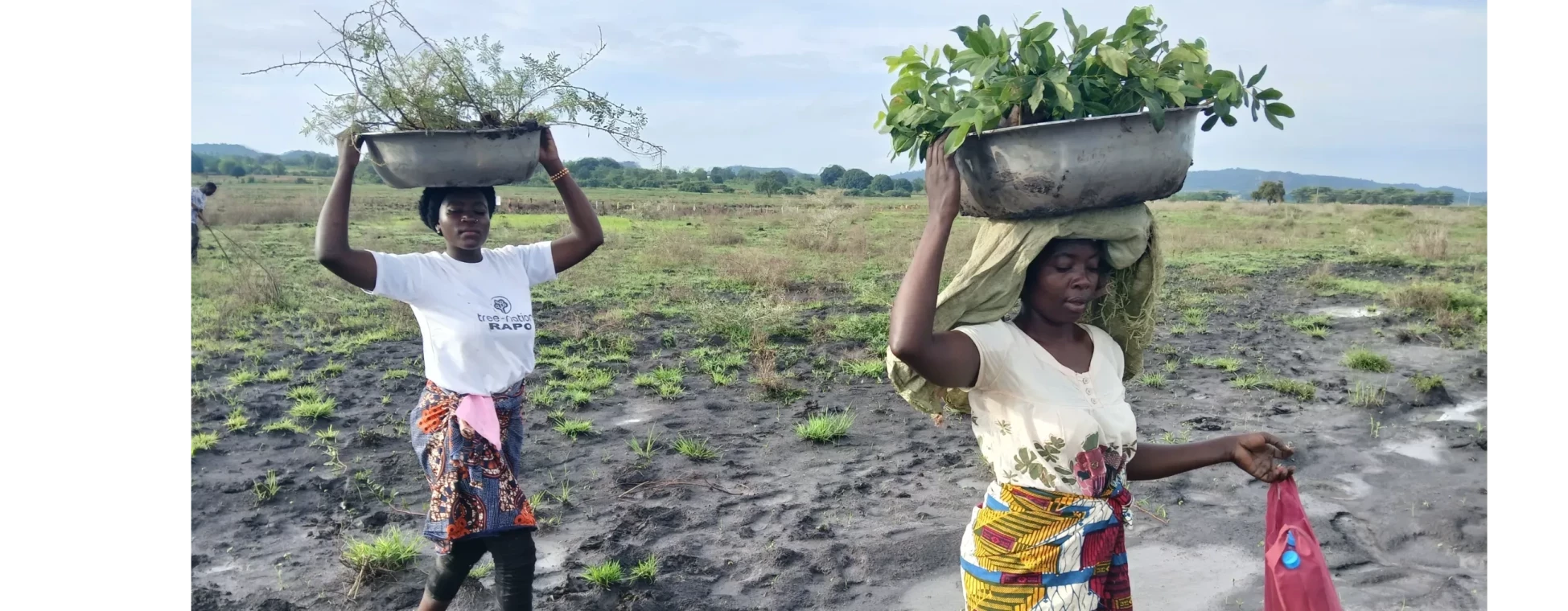
So apart from transporting tree saplings across a river on people's heads for plantation which presents significant logistical, environmental, and health challenges. The primary issues revolve around maintaining seedling viability, ensuring the safety of the carriers, and managing the overall efficiency of the planting operation.
But also we have been experiencing some other challenges whereby seedlings can be stressed by exposure to direct sunlight, wind, and rapid temperature changes during the journey, especially near water where conditions may be more open. Ensuring proper temperature and humidity is difficult with manual transport, and roots can dry out in minutes if not adequately protected.
But also carrying heavy or awkwardly shaped loads on the head, particularly while navigating a river crossing, poses ergonomic and safety risks to the people involved. This can include potential falls, injuries from loads shifting, and general physical strain.
We need to maintain a positive attitude when transplanting trees because happiness and focus are essential to successfully navigating the inherent physical and logistical challenges of the process [2]. The task is physically demanding, logistically complex, and requires meticulous attention to detail to give the saplings the best chance of survival.
COMMUNITY INVOLVEMENT
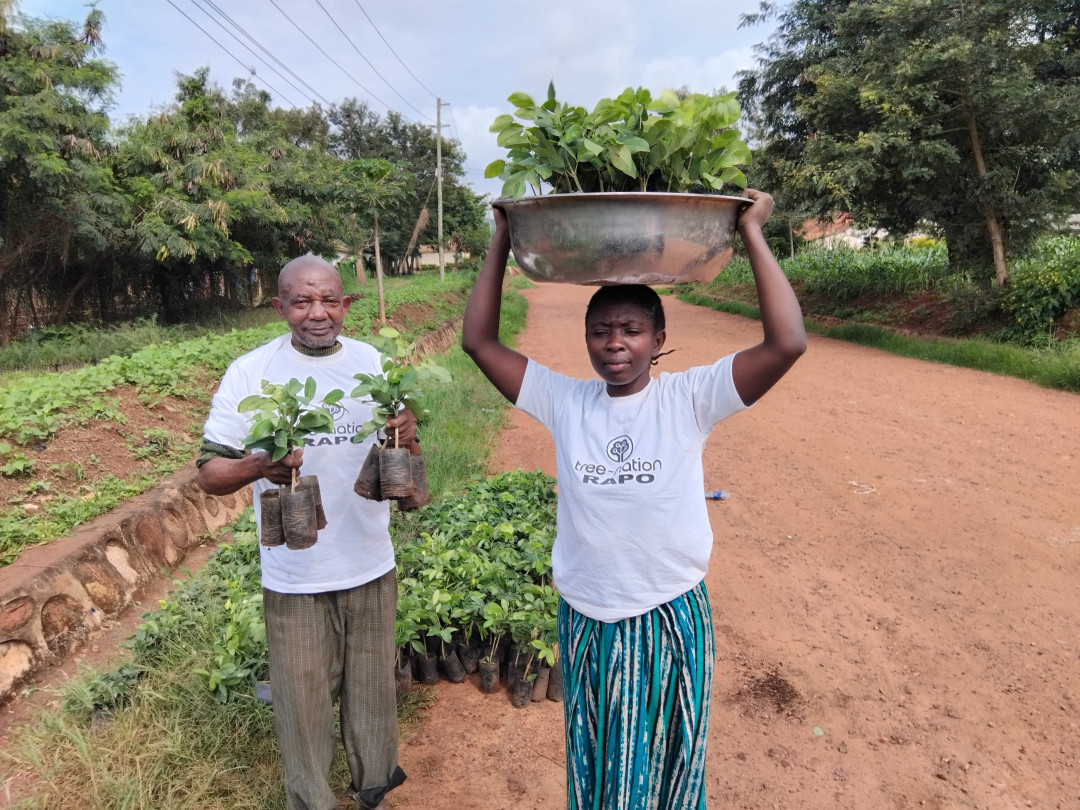
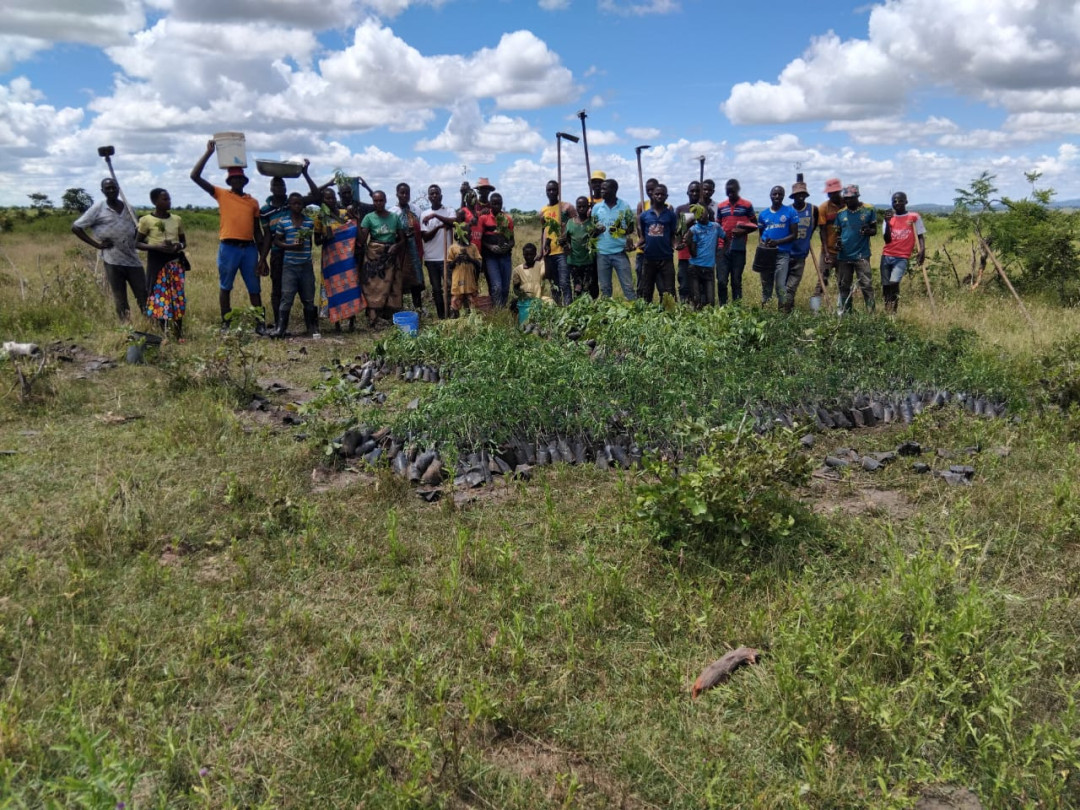
Involving the community during transplanting is crucial for building a sense of ownership, promoting long-term stewardship, and ensuring project success. This can be achieved through a variety of engagement methods, from initial planning to celebratory events.
The local community was actively engaged in the seedling distribution and planting process, ensuring a high success rate for the reforestation initiative. Through a series of collaborative workshops, community members gained hands-on experience and took ownership of managing the newly transplanted mangrove saplings. We organized a 'community planting day,' inviting residents to help transplant the young trees and foster a shared sense of responsibility for our neighborhood's green spaces whereby more updates is coming.
OUR MESSAGE TO YOU ALL.
The successful completion of the tree transplanting initiative is a testament to the dedication and expertise of all environmental practitioners involved. Your meticulous planning and hard work have not only ensured the survival of these trees but have also made a significant contribution to local biodiversity and environmental health. We extend our sincere gratitude for your commitment to this vital project and look forward to our continued collaboration in future sustainability efforts.
A heartfelt thank you to all the environmental practitioners who were instrumental in our recent tree transplanting project. Your collaborative spirit and specialized skills were the backbone of this operation. It's inspiring to see what we can achieve together when working towards a common goal of a greener, healthier environment. We deeply appreciate your contributions and anticipate our next opportunity to work alongside you. Passionate/Impact-Oriented Tone "To every environmental practitioner who lent their hands and hearts to our tree transplanting efforts: thank you.
Your passion for conservation and expert execution has left a lasting impact on our community and local ecosystem. The trees you've helped save and relocate will flourish for years to come, serving as a living legacy of your incredible work. We are truly grateful for your dedication and enthusiasm.
Comentarios (2)
Deja un comentario