
#CarbonCatchers #EcoEducation
This decade will be the decisive decade in human history, what happens in the next century will be determined by the choices we make in the next five to ten years. That's why your choices now couldn’t make more of a difference.
Our planet has exceeded critical boundaries in some areas such as biodiversity and CO2 generation, which has triggered catastrophic and irreversible changes to the stability of the Earth, and we are rapidly approaching other critical boundaries.
So, we created a guide in case you are wondering what you could do as an individual to reduce your CO2 emissions. Read below for some of our suggestions.
Home
The average US household produces 7.5 tons of CO2 equivalents per year. There are several small reductions you can make which all add up and besides will save you money too.
Bathroom
Let’s say you take an 8-minute daily shower, this produces approximately 1,368lbs of CO2 a year. If you take 2 minutes off your shower, you will save 342 lbs.
Bedroom
Lighting produces about 73 lbs, replacing one 75-watt incandescent bulb with a 19-watt CFL can cut 55 lbs.
Kitchen
If like most people, you get close to 30 percent of your calories from meat, dairy and poultry, your diet contributes over 3,274 lbs of CO2 annually. Vegetarian diets contribute half that, but any reduction in the amount of meat and dairy you consume will contribute to lowering that, for savings of up to 950 lbs. Typical refrigerators produce around 1660lbs. If the seal around your fridge door is loose, a good way to test it is to close a 10 (Pound, Euro…etc.) note in the door, if it can’t hold it you'll be leaking carbon and money as well as cold air, so get it fixed. If the seal holds, and you clean your refrigerator's coils, defrost regularly and keep the top clear of clutter, you can save over 700 lbs. Pre-2001 fridges are much less energy-efficient than today's Energy Star models. If you can switch to an Energy Star Fridge. This could save you over 500 lbs.
Laundry
Washing machines produce 160 lbs of CO2 a year, 90 percent of the electricity they consume goes into heating the water. If you wash just half your loads in cold water, you'll save at least 72 lbs. Dryers produce 1,446lbs. Line, or rack drying just half your loads will slash 723 lbs.
Living Room
TV sets, DVD players, cable boxes, and other home entertainment peripherals can produce up to 1,608lbs CO2 per year. These electronics can pump out CO2 while they're off because of clocks and easy-on features like "standby" mode. Why not plug them into a power strip and turn it off when not in use to save 240 lbs. Similarly, computers use 497 lbs. Do the same for your computer and you'll save 43 lbs.
Whole House
Heating produces 6,389 lbs if you use natural gas and 4,722 lbs if you use electric heat. The best thing you could do to drastically reduce your CO2 emissions in your home is to switch your energy supplier to one that produces renewable energy. Any step away from fossil fuels in one in the right direction.
If you’re not able to do that at the moment, with natural gas heat, you can shave off up to 320 lbs for every degree you lower your thermostat below 21 °C in winter (236 lbs for electrical heat). An average air conditioner produces 2,263 lbs CO2. In the summer you can save 121 lbs for every degree above 22 °C you raise your thermostat (even more if you raise it above 25 °C degrees).
Sealing your home, caulking, and weather stripping can knock off 639 lbs from your natural gas heating (472 lbs if electric)and 226 lbs from your A/C.
Water heaters produce 3,419 lbs. Lowering your water temperature from 60 °C to 48 degrees prevents scalds and cuts out 479 lbs.
Food
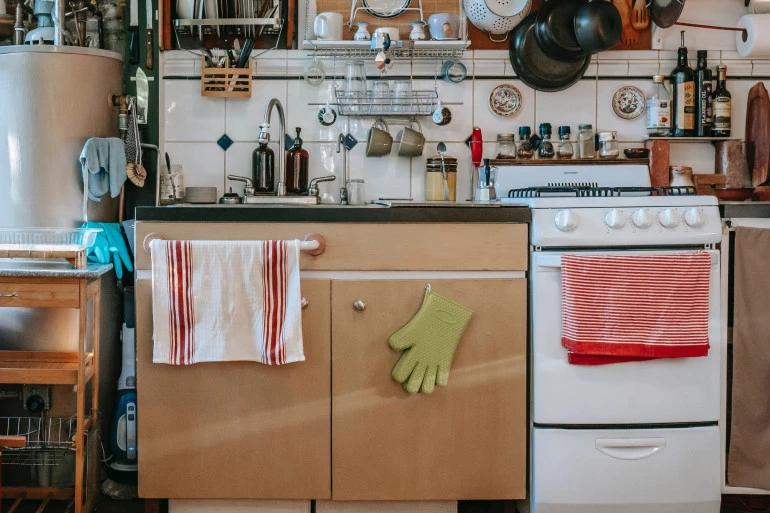
A key change to staying within our planet’s boundaries, which can be adopted by anyone with the freedom to choose what they eat, is the choices we make when choosing what food to buy.
Meat and dairy specifically account for around 14.5% of global greenhouse gas emissions, according to the UN’s Food and Agricultural Organization (FAO). The carbon dioxide and methane (which traps up to 100 times more heat in the atmosphere than carbon dioxide within a 5 year period and 72 times more within a 20 year period) contributed to the environment by the meat and dairy industry, leads to global heating resulting in climate change.
The meat and dairy industry is also responsible for contributing to ocean acidification and ocean ‘dead zones’, caused by the fertilizers used in animal feed production and the runoff of excrement from feedlots, as well as biodiversity loss, caused by deforestation in order to make room to farm livestock.
All of this prompts the further destabilization of our planet. Not to mention that these industries bring suffering and pain to countless animals.
A simple solution we can all take part in is to be more conscious of what we eat and the effect that has on the world around us. A diet which has been dubbed ‘flexitarian’: less red meat, more plant-based protein, more fruit, and nuts, less starchy foods, could result in a move back towards a safe operating space of stability in terms of the climate, biodiversity, land, water, nitrogen and phosphorous.
Eating healthy food, produced ecologically, might be the single most important way of contributing to saving the planet.
If you feel that you could make any change to what you eat based on these suggestions, not only will you be making a real and significant impact on climate change, but you will also benefit from eating more healthily. Becoming vegetarian or vegan is an excellent solution to the food industry’s part in the climate crisis, but it doesn’t address the fact that most people in the world won’t stop eating meat and dairy, and if we don’t support sustainable farming and agriculture, we won’t find the solution we need.
The regenerative diet, featured in the critically-acclaimed environmental feature documentary, Kiss The Ground, of eating food that comes from regenerative farming (a way of utilizing the natural relationship between animals and plants, and above all taking care of the health of the soil) is well worth looking into.
Transport
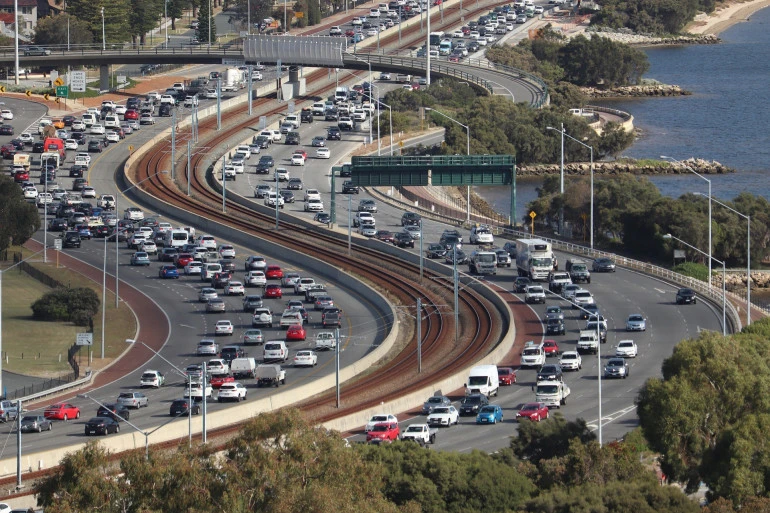
According to Our World in Data, “transport accounts for around one-fifth of global carbon dioxide (CO2) emissions. Road travel accounts for three-quarters of transport emissions. Most of this comes from passenger vehicles – cars and buses – which contribute 45.1%. The other 29.4% comes from trucks carrying freight.
Since the entire transport sector accounts for 21% of total emissions, and road transport accounts for three-quarters of transport emissions, road transport accounts for 15% of total CO2 emissions.”
How do you choose to travel?
Time, money, and effort are constraints which the vast majority of people feel on a daily basis, but as with food, any changes you think you could make in the ways you choose to travel will not only make a difference to the environment but will have a positive impact on your own health and the health of the people you love.
For example, take the metro or train and avoid driving when you’re not in a hurry. Only you know what changes you could make to your travel habits in order to reduce your CO2 emissions, the important thing is that you start making changes in your daily routines for the better.


