
Transylvania’s landscapes are undergoing a transformation through the Climate Smart Forest project, a reforestation initiative led by ecologist István Kósa. This project revitalizes the Eastern Carpathians by planting climate-resilient trees and fostering biodiversity.
In a recent interview, Oriana Medina from Tree-Nation’s Environment Department sat down with István to explore the project’s progress, challenges, and vision for sustainable reforestation in Romania. Here’s how this initiative is shaping the future of Transylvania’s forests.
Check out the full video on YouTube or listen to the podcast on Spotify.
A Passion for Reforestation in Romania
With nearly 20 years as an ecologist, István Kósa has dedicated his career to forest conservation. His experience includes managing a private forest estate in the Southern Carpathians, home to Europe’s largest privately owned virgin forest and the continent’s first forest management carbon offset project. Today, his focus is on the Eastern Carpathians, where the Climate Smart Forest project, launched five years ago, is restoring degraded lands through strategic tree planting.
“It’s not about saving the world only, we feel like we must do the right thing,” István says. His practical approach tackles biodiversity loss and climate change by planting trees like oaks in areas such as the Hășmaș Mountain, creating ecosystems that endure for centuries.
Climate Smart Forestry: Planting for a Changing Climate
The Climate Smart Forest project is designed for a warming world. Transylvania’s climate is shifting toward hotter, drier summers, resembling a Mediterranean climate. To adapt, István’s team selects species like oak trees, which thrive in these conditions and support high biodiversity. Their flagship effort involves reintroducing oaks to an intermountain basin where they vanished centuries ago due to agriculture and logging.
“Archaeological evidence shows oaks once thrived here,” István explains. “We’re planting oak groves to serve as seed sources for future forests.” Oaks are ideal for climate-resilient forestry, fostering diverse ecosystems that benefit plants, animals, and local communities. To date, the project has planted tens of thousands of trees across sites like the Hășmaș Mountain, a picturesque area near pristine wilderness.
Overcoming Reforestation Challenges
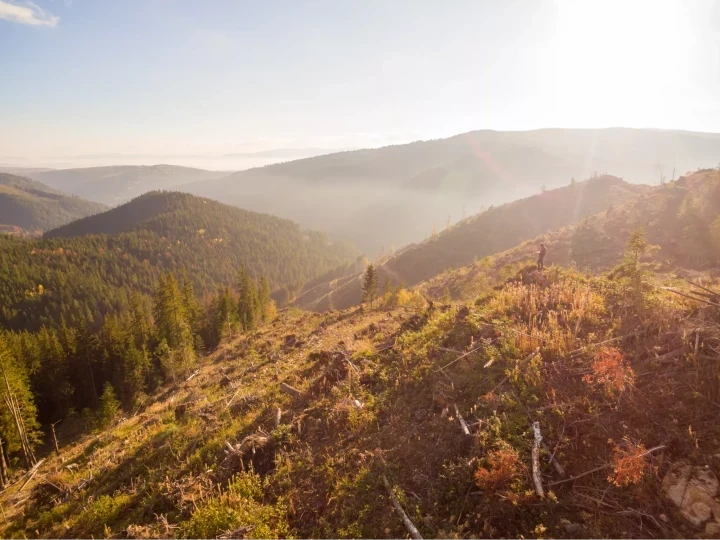
Reforestation in Transylvania comes with unique challenges. One of the biggest hurdles last year was securing land for the Ciomad site, a biodiversity hotspot teeming with bears, deer, and lynx. “The land ownership is fragmented,” István notes. “We had to find and convince farmers to let us plant on their small plots.” Through persistent outreach, the team secured enough land, and this year, farmers are proactively offering more plots, signaling growing community trust.
Unpredictable weather also complicates planting. Spring, the prime season, often brings sudden winter relapses, delaying work and limiting site access. Despite these obstacles, István’s team adapts, learning from each season to refine their reforestation techniques.
Wildlife: Allies and Challenges
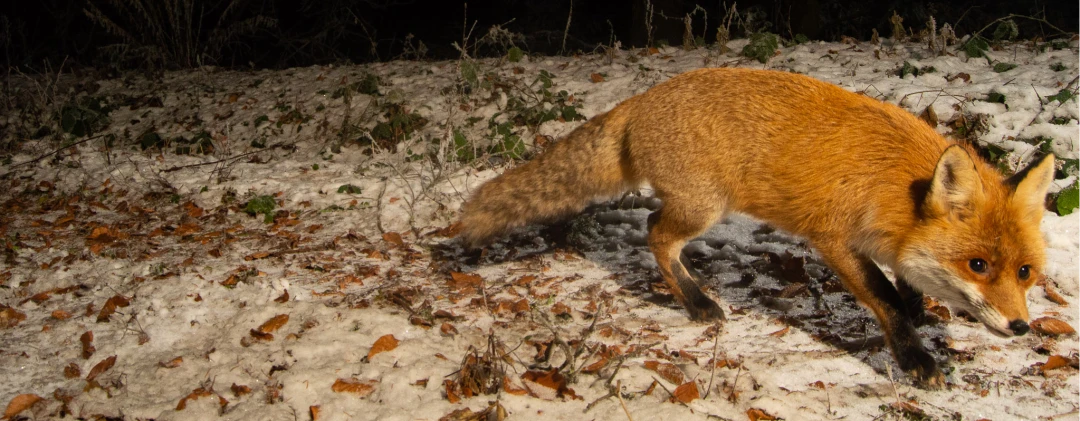
The project’s sites are alive with wildlife, captured by game cameras that showcase bears, lynx, and deer. These animals play a complex role. In summer, bears keep deer moving, preventing overgrazing of seedlings. In winter, however, hibernating bears leave deer free to nibble buds, slowing tree growth. “We started using deer repellent last year,” István says, highlighting the project’s adaptive approach.
Wildlife is central to the project’s mission. “Tree planting is a Trojan horse for wildlife conservation,” István explains. By creating habitats, the project encourages locals to value wildlife, shifting perceptions in a region where nature is often seen as a resource.
Community Engagement: Educating for Change
Education is key to the project’s success. István’s team hosts open days for local communities, especially children, to teach about tree species, wildlife, and the importance of reforestation. In rural Transylvania, where forests are viewed as harvestable resources, these events aim to reshape mindsets. “People here see planting as hard labor,” István says. “We explain why it’s part of the solution to environmental challenges.”
Activities like identifying tree leaves and discussing ecological concepts engage youth and farmers, fostering a deeper connection to nature. Over time, these efforts are building a community that values sustainable forestry.
Low-Tech Reforestation That Works
The Climate Smart Forest project embraces low-tech reforestation. After experimenting with mechanized planting and containerized seedlings, the team reverted to bare-rooted seedlings and simple tools. “It’s labor-intensive but ensures trees survive,” István says. The only technology there is the game cameras to monitor wildlife.
To combat droughts and pests, the team plants mixed forests rather than vulnerable monocultures like spruce. On the Hășmaș Mountain, where wind and bark beetles have decimated spruce stands, this approach is proving resilient. Local commons are even adopting similar strategies, planting beech trees alongside spruce, inspired by the project’s example.
Goals for 2025 and Beyond
Looking ahead, István aims to scale up the project in 2025, planting more trees and involving more people. “Every site is different, you learn by doing,” he says. The team will maintain sites for five years, protecting seedlings from herbivores and competing vegetation. Once trees reach one to one-and-a-half meters, they can thrive independently, forming canopies within 10-15 years.
By micromanaging site conditions as matching species to soil, altitude, and exposure, the project ensures long-term success. Community outreach and wildlife conservation remain priorities, creating a holistic model for ecological restoration.
Tree-Nation’s Role in Transylvania
Tree-Nation is proud to support this pioneering project, which is our first in Romania. István’s updates, filled with wildlife photos and progress reports, resonate with our global community. “Each time you post, everybody’s reading,” Oriana told him. Through our platform, users can plant trees in the Climate Smart Forest, selecting species and contributing to this transformative effort.
Climate Smart Forests Transylvania, Romania
As István says, “It’s amazing that people can plant even one or two trees and be part of this story.” Together, we’re growing forests, restoring ecosystems, and inspiring change in Transylvania.


