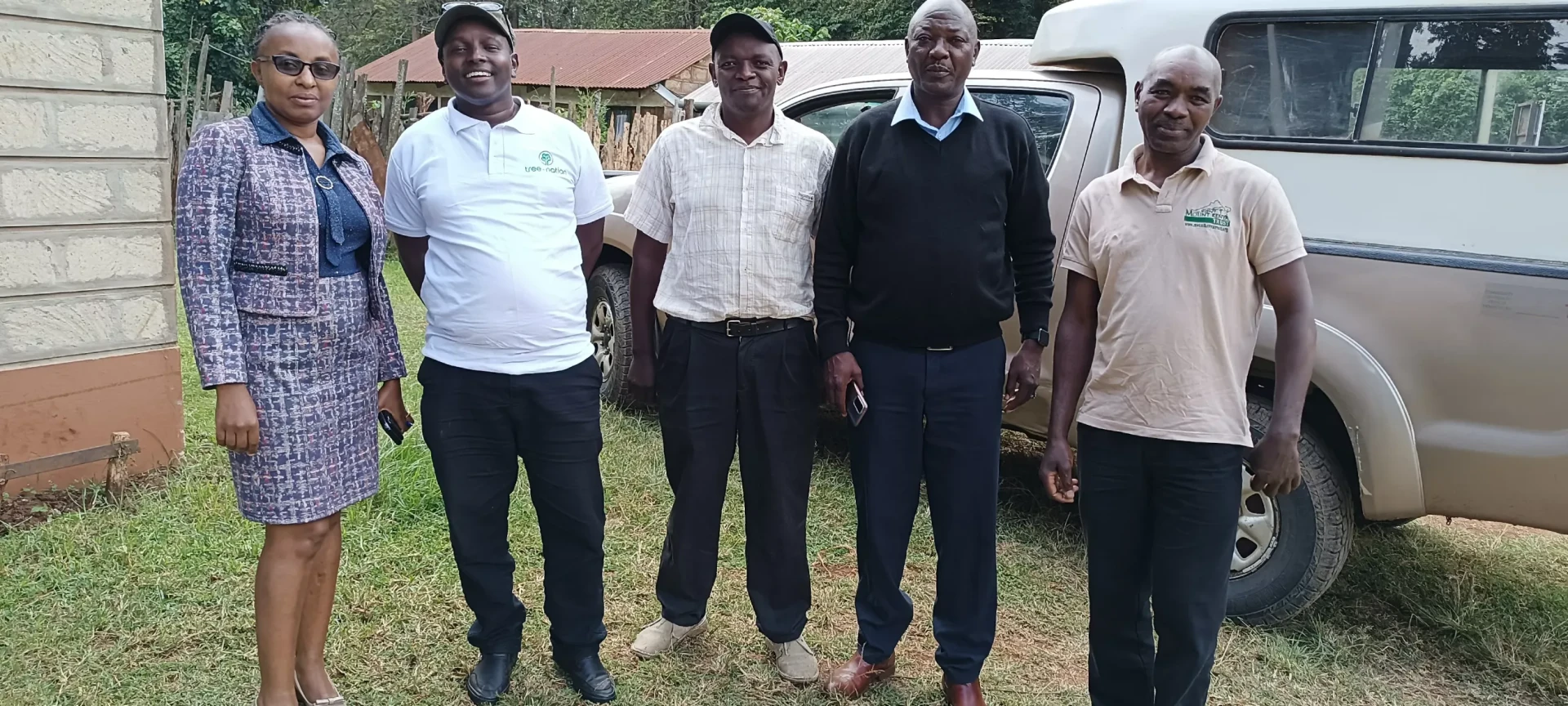

Written by: John Bett, Regional Project Manager for Africa.
Introduction
In June 2023, John Bett, our Regional Project Manager for Africa, embarked on a visit to our esteemed collaborators of the Mount Kenya project. Since its inception in 2017, Tree-Nation has sponsored the planting of 48,764 trees there. For three enriching days, our team traversed the scenic expanses of Mount Kenya, guided by the knowledgeable representatives of our local project.
This expedition aimed to assess the strides made during our years of mutual partnership and support. To date, the outcomes have been heartening, both in terms of tree growth and the organization's unwavering commitment to accomplishing ambitious goals.
Background information
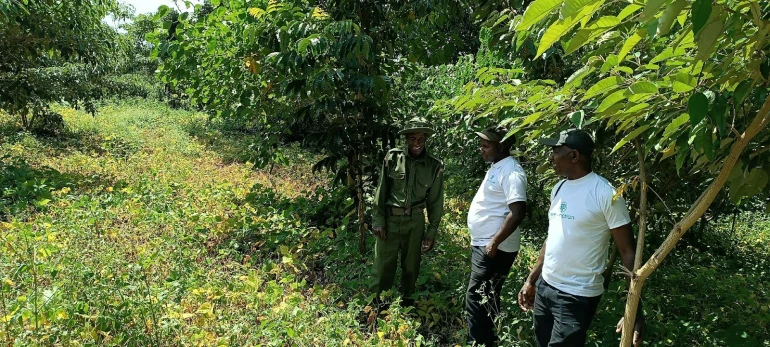 Fig. 1. Our Tree-Nation Project Manager with the local team, evaluating the planting site.
The Upper and Lower Imenti Forest Reserves, positioned in the northeastern part of the Mount Kenya protective zone, have historically served as crucial wet-season refuges for elephants and provided a vital migratory link to the Laikipia-Samburu ecosystem. However, by the end of the 20th century, these areas suffered considerable habitat degradation and external encroachments. The reserves today are bordered by a pronounced demarcation consisting of small farms and other human settlements. This vast perimeter, when juxtaposed against the reserve's land area, combined with previously strained community relations, has magnified the challenges of deforestation, human-elephant conflicts, and associated poaching incidents.
Adding to these adversities is the proliferation of the non-native Lantana camara bush. This invasive shrub impedes the natural regeneration of native trees and needs removal before any replanting initiatives.
In response to these ecological challenges, since 2017, Mount Kenya Trust has undertaken proactive initiatives in the Imenti Forest Reserve. In the Lower Imenti, the project's endeavors have resulted in the planting of over 310,000 trees. Furthermore, the organization has obtained permissions to introduce an additional 100,000 trees over a span of 100 hectares, which stands as a testament to their commitment and the project's expanding scope.
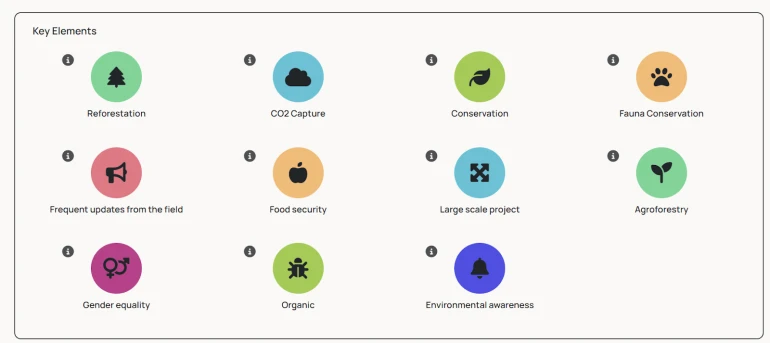
Mount Kenya provides more detailed information about the way they work, their objectives and impacts through their Project Page on the Tree-Nation website, also reflected on their key elements:
Our visit
The visit focused on Tree-Nation’s planting sites of the Upper Imenti Forest (opened in 2020 and closed in 2022) and the Ontulili Forest (opened in 2016 and closed in 2019) where we have planted 48,764 trees, and the 3 nurserie that grow the trees for each planting site.
The specific objectives of the visit were the following:
Confirm the planting activities in the upper Imenti planting site (where TN plants) and other sites.
Verify elements such as tree density and survival rates.
Get insights on Mount Kenya Trust monitoring and reporting protocols
Meeting and interviewing local planting teams and local communities to measure the socio-economic & environmental impacts of the project.
Discuss ways to strengthen partnership with Mount Kenya Trust
On the ground: survey methods and findings
Through observation, pictures, interviews and a tree density survey done for our 2 exclusive planting sites: Upper Imenti Forest and Ontulili Forest.
At the core of the operation, the planting sites are stocked by 3 main nurseries that produce 11 different species, between fruit, fast growing and endangered trees. The tree density for each planting site is approximately 1,000 trees/hectares.
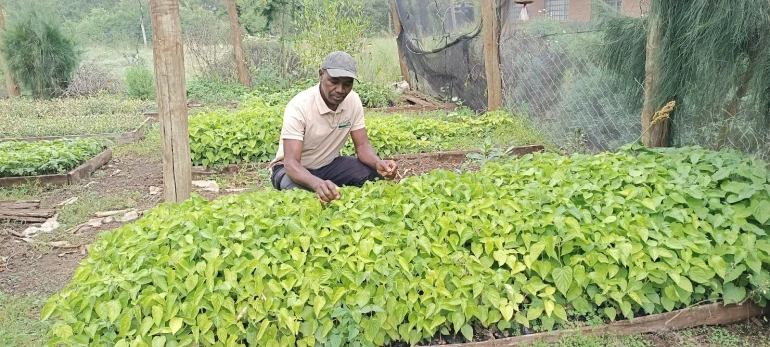 Fig. 2 Nursery with seedlings.
The strength and efficiency of the Trust were immediately evident in its management team and community networks. The team has been paramount in effectively coordinating tree planting activities around Mount Kenya. Their dedication and expertise were palpable, driving the successful execution of reforestation efforts. Beyond the core team, the Trust has also been proactive in developing strong connections within the local community. Through liaisons with the Kenyan Forest Service and local administration, they've cultivated a collaborative spirit, promoting community participation. This strategy has fostered a sense of ownership and widespread support for tree planting initiatives, anchoring the projects' long-term sustainability.
Complementing their strong management are the resources at the Trust's disposal. They have a commendable roster of skilled staff members with a depth of expertise in various facets of tree planting, from seed collection to nursery management, and up to monitoring techniques. This team's capability is further bolstered by the availability of vehicles for seed distribution and surveillance, ensuring an efficient and extensive reach of the reforestation activities. Additionally, Mount Kenya Trust's engagements with stakeholders, be it local communities, governmental bodies, or conservation groups, fortify their efforts by pooling resources, expertise, and support.
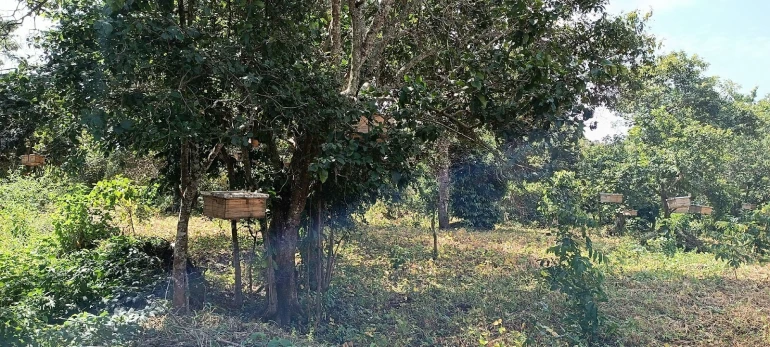 Fig. 3. Planting site and part of the bee hives that the project is working on.
The project’s initiatives have spurred the economic empowerment of community members. By allowing planters space to cultivate food crops within planting sites and sourcing seedlings from farmer-managed nurseries, the Trust has effectively channeled revenue streams to the community. This dual approach not only aids reforestation but also enriches the livelihoods of the locals, nurturing a sense of ownership and long-term commitment.
The potential for growth was evident in the expansive Imenti Forest planting sites. Although these areas have seen degradation over the years, they present vast tracts ripe for tree planting, offering opportunities to rejuvenate the forest ecosystem, bolster tree cover, increase biodiversity, and improve the quality of life for adjacent communities.
Risks and mitigation
During a recent evaluation of Mount Kenya Trust's reforestation projects, several potential risks were identified, each accompanied by robust mitigation measures that the Trust has put in place to navigate these challenges.
Invasive Species:
The presence of invasive species such as Lantana camara is a significant challenge within the forest. These invaders not only escalate the costs associated with preparing planting sites but also threaten to overshadow the newly planted trees if left unchecked.
Mitigation:
To mitigate this, Mount Kenya Trust takes multiple measures. They commence by conducting comprehensive surveys and assessments to pinpoint the spread of these invasive species, allowing the Trust to prioritize areas for clearing and develop targeted action plans. Collaborations with local community groups and other organizations fetch necessary resources and expertise to counteract these species.
Community members are informed about the risks of invasive plants, drawing them into the eradication process to bolster ownership and collective responsibility. Financial provisions are also made explicitly for the management of these species, which covers the costs of clearing and continuous surveillance. An effective early warning system ensures timely identification and action against any invasive outbreaks.
Quality and volume of seedlings in farmer managed nurseries:
Observations indicate that these nurseries sometimes fall short of the requisite standards, given that seedlings may have poor health and less guarantee to survive when planted.
Mitigation:
In response, Mount Kenya Trust offers training sessions to these farmers, imparting knowledge about optimal nursery techniques, seedling cultivation, and quality control. Regular visits to these nurseries ensure consistent adherence to quality standards, and collaborations with forest extension experts further refine the operations of these nurseries.
Elephant incursions
Elephant incursions pose the third risk. Some planting sites, devoid of any barriers, are vulnerable to elephant invasions. Such encounters jeopardize both the planters and the young seedlings.
Mitigation:
As a countermeasure, the project has constructed resilient electric fences around these planting zones, deterring elephants. Additionally, community members are educated about elephant behaviors, and innovative methods like beekeeping are introduced to ward off these giants. Collaborative efforts with wildlife conservation bodies and relevant governmental departments supplement the Trust's endeavors in this area, ensuring that planting sites remain safe and seedling growth is unhindered.
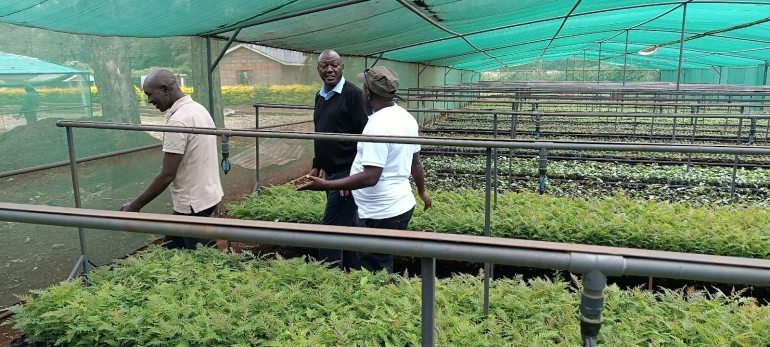 Fig. 4. Local team presenting the nurseries
After this enlightening visit, the results reinforced Tree-Nation's confidence in the project's objectives and strategies, shedding light on the myriad potentials and opportunities that lie ahead. Their proactive response to identified risks, combined with the steadfast partnership with local communities and stakeholders, paints a promising future for the Upper and Lower Imenti Forest Reserves and the surrounding areas.


