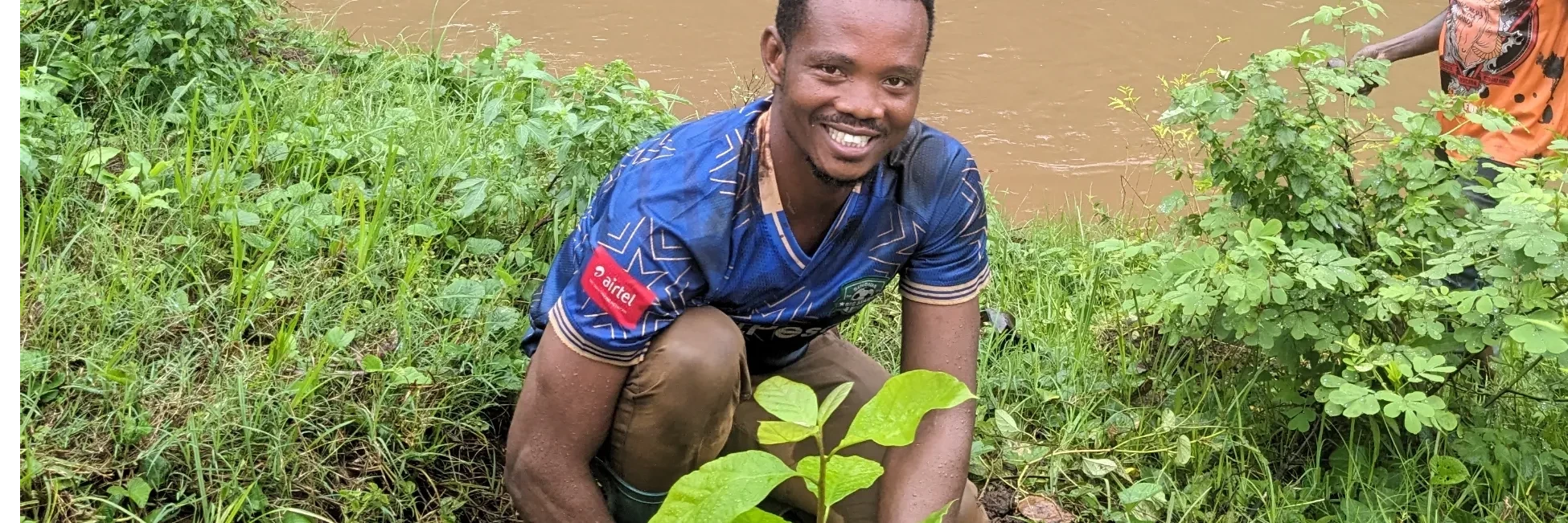

Water is essential for people, wildlife, and the land itself. But across many parts of the world, natural water sources like springs, rivers, and wetlands are under threat. One of the most powerful yet often overlooked solutions? Trees.
The Connection Between Trees and Water
Trees are nature’s water managers. Their roots hold the soil together, preventing erosion and allowing rainwater to seep deep into the ground. This process helps recharge underground aquifers the hidden reserves that feed wells and springs. When it rains, tree canopies act like umbrellas, softening the impact of raindrops and slowing runoff. This allows more water to soak into the earth instead of being lost to surface flow or floods. The shade from trees also helps reduce evaporation, keeping streams and wetlands from drying out too quickly.
What Happens When Trees Disappear?
In areas where forests have been cleared, it’s common to see springs dry up, river levels drop, and soil wash away. Without trees, the landscape loses its ability to hold and filter water. Communities often face water scarcity, even during rainy seasons, because the land can no longer absorb and store moisture the way it once did.
Planting Trees, Restoring Water
Reforestation especially around water catchments and degraded lands can reverse this trend. In regions where trees are being planted again, dry springs are beginning to flow once more. The land becomes healthier, and water returns slowly but steadily.
This isn’t just about the environment. It’s about access to clean water, better harvests, and stronger communities. When water comes back, life follows.
Every Tree Counts
Whether it’s in a rural farming village or along a forgotten riverbank, each tree planted is a small act of restoration. Together, these small actions make a big difference.
Let’s continue planting not just for shade or beauty but to bring water back to the places that need it most.
Comentarios (0)
Deja un comentario