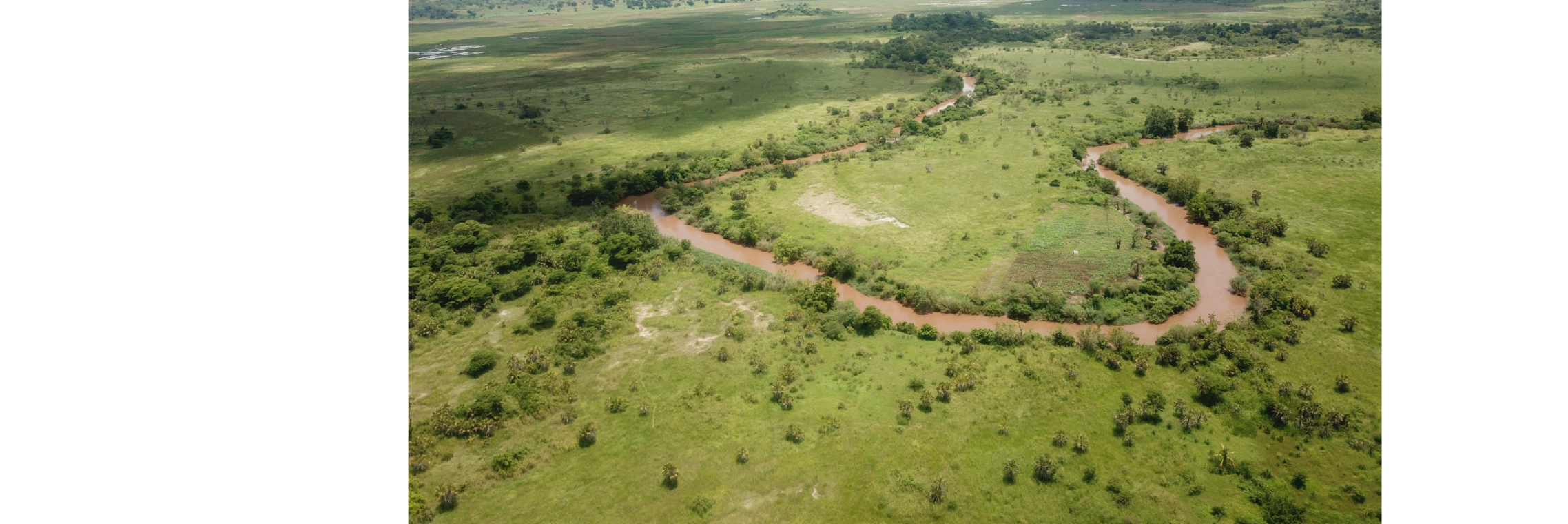

When we talk about restoring nature, it can be tempting to think that the answer is simple: find an open space and plant as many trees as possible. But effective restoration is not simply about putting trees into the ground. It is about understanding the landscape, identifying what it needs, and choosing the right approach to help it recover and remain healthy over time. Every landscape is different. An area beside a river has different needs from a degraded open field, while farmland has different priorities from a natural forest. Some areas may benefit from planting trees, while others may benefit more from protecting existing vegetation and allowing natural regeneration to take place. This is why restoration begins with understanding the land before deciding what should be planted and where.
For the Plant to Stop Poverty project, restoration activities are adapted to the characteristics and needs of each site. Indigenous trees are planted in areas where they can contribute to ecosystem recovery, while areas around rivers and other water sources are restored to help protect the land that supports these vital water systems. In farming communities, agroforestry provides another approach, allowing farmers to integrate trees into their agricultural land while continuing to grow food and support their livelihoods. The goal is therefore not simply to increase the number of trees planted. The goal is to create healthier and more functional landscapes where trees, soil, water, wildlife, and people can benefit from one another. A well-planned restoration site can help reduce soil erosion, improve soil health, provide habitat for biodiversity, protect water sources, and make communities more resilient to environmental changes.
There is also an important role for the trees that are already growing. Sometimes, restoration does not require planting thousands of new seedlings. Protecting existing trees and natural vegetation can allow a landscape to regenerate on its own. When natural regeneration is possible, giving nature the space and protection to recover can be just as valuable as planting new trees. This is why successful restoration cannot be measured only by the number of seedlings planted. Tree numbers are important, but what happens after planting matters just as much. Are the seedlings surviving? Are they growing? Is the surrounding land becoming healthier? Is biodiversity returning? Are communities benefiting from the restored landscape? These are all important parts of understanding whether restoration is making a lasting difference.
Choosing the right tree for the right place also matters. A species that performs well in one environment may not be suitable for another. Soil conditions, rainfall, altitude, surrounding vegetation, land use, and the purpose of restoration all need to be considered. Thoughtful species selection increases the likelihood that planted trees will establish successfully and contribute to the long-term health of the ecosystem. Restoration is therefore about much more than planting. It is about working with the landscape rather than treating every open space in the same way. Sometimes the answer is planting trees. Sometimes it is protecting what is already there. Sometimes it is combining trees with agriculture, and sometimes it is restoring areas that are particularly important for water, soil, or biodiversity.
Every landscape tells a different story, and restoration should respond to that story. So, we don't plant trees everywhere. We plant where trees can make a meaningful difference, while protecting and restoring the wider landscape around them. Because responsible restoration is not about planting more trees simply for the numbers. It is about creating healthy, resilient landscapes where nature and communities can thrive together for generations to come.
Comentarios (0)
Deja un comentario