
At the end of April we already started to miss all the work with the seeds. Getting the new lab ready after the renovations and the relocation took more time than we expected: it is not an easy task to run a biotechnology lab with the resources of an association!
The laboratory has been getting ready: shelves, organisation, installation of running water, work spaces, kitchen, space for the pelleting machine... Gradually it is getting ready to start with germination trials, priming treatments and the study of different pelleting formulas.
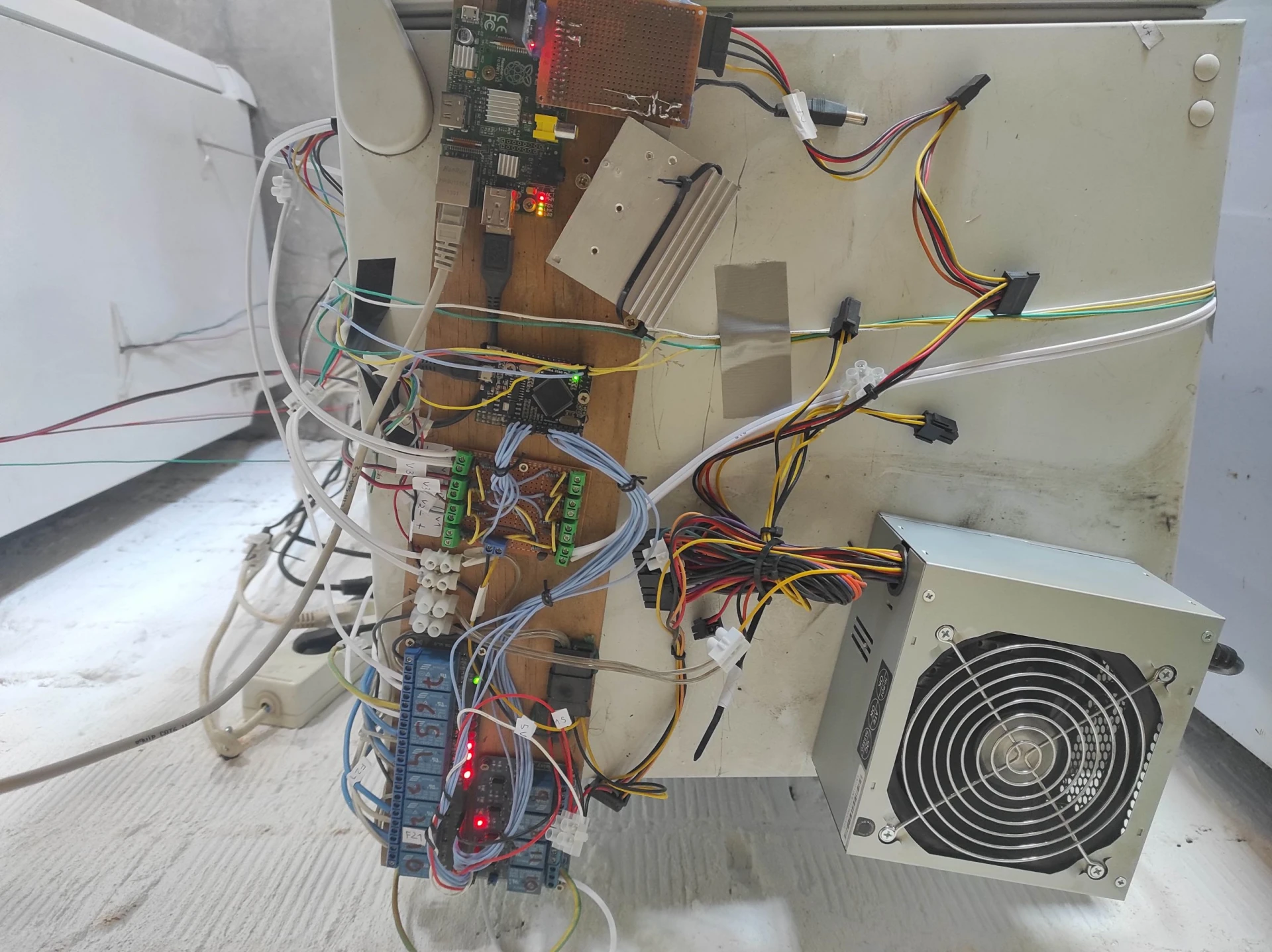
Perhaps where we have made the greatest effort has been in the optimization of the performance of our coolers. The coolers have been turned into temperature-controlled germination chambers. We have achieved this by connecting them to a raspberry and arduino that receive information from temperature sensors placed inside.
The software and hardware we have developed are a first prototype, but it is already able to control 4 fridges operating in different temperature ranges:
- fridge 1 is between 1ºC and 3ºC, and is used for seed storage.
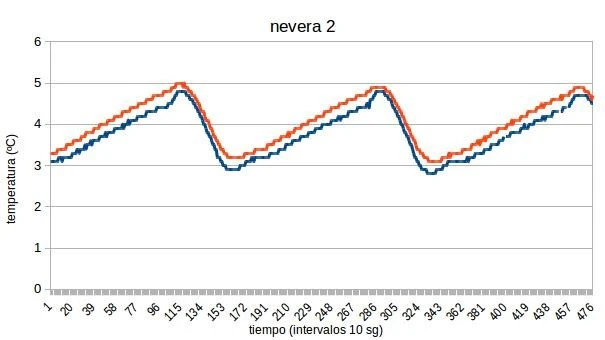
- fridge 2 is between 3ºC and 5ºC, and is used for cold stratification treatments (to emulate winter).
- fridge 3 is at 20ºC, where we carry out germination tests and the hydropriming treatments of the seeds with no dormancy.
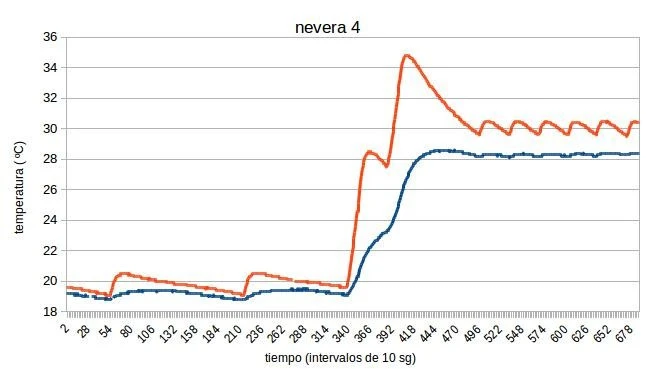
- fridge 4 is 12 hours at 30ºC and 12 hours at 20ºC, to emulate summer, for the seeds of trees with strong dormancy.
FRIDGE 2
FRIDGE 4
We are starting the design of the second version of this fridge controller, but until it is ready, we needed to readjust the first prototype to the current needs. Alarms and automated solutions have been programmed so that no error in operation can happen. Many treatments last for months, even years, and every day the refrigerators have to operate with absolute reliability. Just one mistake can cause us to lose months of work on some species, even ruin the preparation of thousands of euros worth of seed for our reforestation projects this autumn.
Electronic technology is wonderful to be able to meet the needs of a seed laboratory at low cost!!! To make this possible we have to thank the voluntary collaboration of the group of computer programmers who support us in the design of all this. We are building among many people the possibility of creating a large-scale open source reforestation method.
We have taken advantage of this impasse, between the relocation and the full operation of the laboratory, to gather several materials that we will need for the new trials. We have acquired seeds of species we want to study and gathered the supplies we need for the anti-predator seed trials. In May we will be creating seed balls that will include the following materials, in our attempt to keep birds and rodents away from the seeds dropped by our drone:
Cayene pepper. Birds are insensitive to spice, but rodents will hopefully leave the balls in peace after their mouths are on fire.
Onion (Drimia maritima). This is a wild onion that mice, wild boars and herbivores don't like at all.
Neem oil. In addition to being an active natural insecticide, academics have been able to prove its value as a rodent repellent.
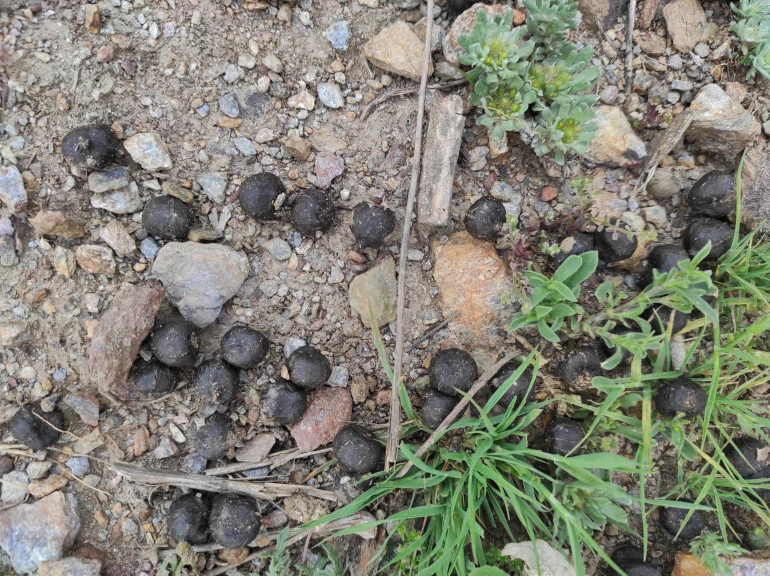
Visual camouflage. For the final coating of the seed ball, we want to make it "invisible" to rodents. We have two options: The first one is to use the soil of the place where we throw the seeds. The second option is to use fresh goat manure, so that the seed ball looks like a little ball of goat poo.
Scent camouflage. This is the least developed, as we need an expert scentsmith. This involves introducing essential oils that repel rodents (e.g. rue) so that their smell intensity masks the smell of the tasty seed. The problem we have not yet solved is how to fix the smell long enough.
We will combine these repellents to try to achieve a decrease in the number of balls eaten. And do not think that these are definitive solutions. Depending on the year, the predation may be higher. If the spring rains have been scarce and the amount of wild fruits is not enough to satisfy the hunger of the rodents, they will not care if their mouths are on fire, the force of hunger will lead them to eat the pellets.
So much for our doings and our cabalas....
In the meanwhile the rains have given us a spectacular spring!!!
Wishing to you too a blooming and beautiful May.
See you next month :)


