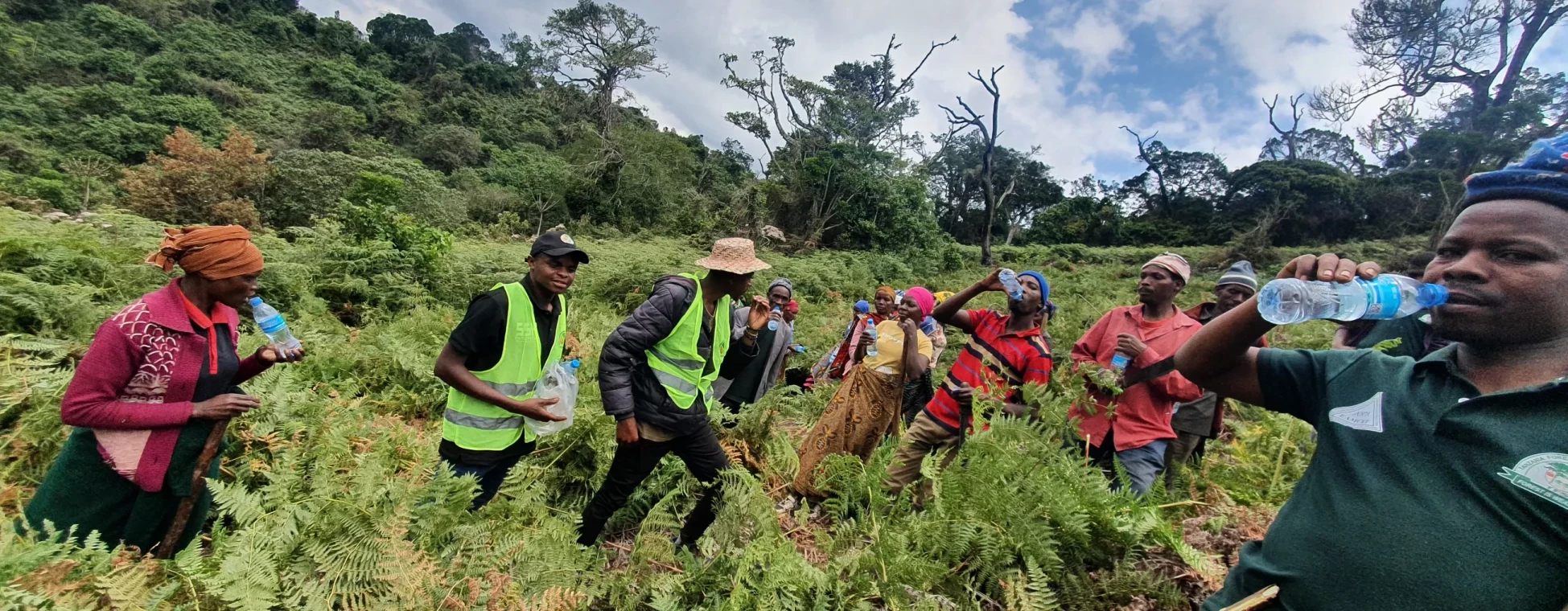

Tree planting projects are essential for environmental sustainability, urban development, and ecological restoration. However, the success of these projects does not solely depend on the initial planting of trees; it also requires ongoing care and maintenance, commonly referred to as “tendings.” This process includes various activities aimed at ensuring the health and growth of newly planted trees.
The following are the merits of tending to planted trees:
- Survival Rate Improvement: One of the primary reasons for conducting tendings is to improve the survival rate of planted trees. Newly planted trees often face stress from transplant shock, competition with weeds, and environmental factors such as drought or excessive rainfall.
- Weed Control: Weeds compete with young trees for nutrients, water, and sunlight. Regular tending involves removing or controlling weeds around the base of the tree to ensure that it has access to all available resources.
- Pest and Disease Management: Young trees are vulnerable to pests and diseases that can hinder their growth or even lead to death. Regular inspections during tending allow for early detection of any issues, enabling timely intervention through organic or chemical treatments as needed.
- Monitoring Growth Progress: Regular tendings provide an opportunity to monitor the overall health and growth progress of each tree. By keeping detailed records during these sessions, project managers can make informed decisions about future care needs or adjustments in management practices.
- Water Management: Newly planted trees require adequate water supply, especially during their first few years when they are establishing their root systems. Tending activities include monitoring soil moisture levels and implementing irrigation strategies if necessary.
Comentarios (0)
Deja un comentario