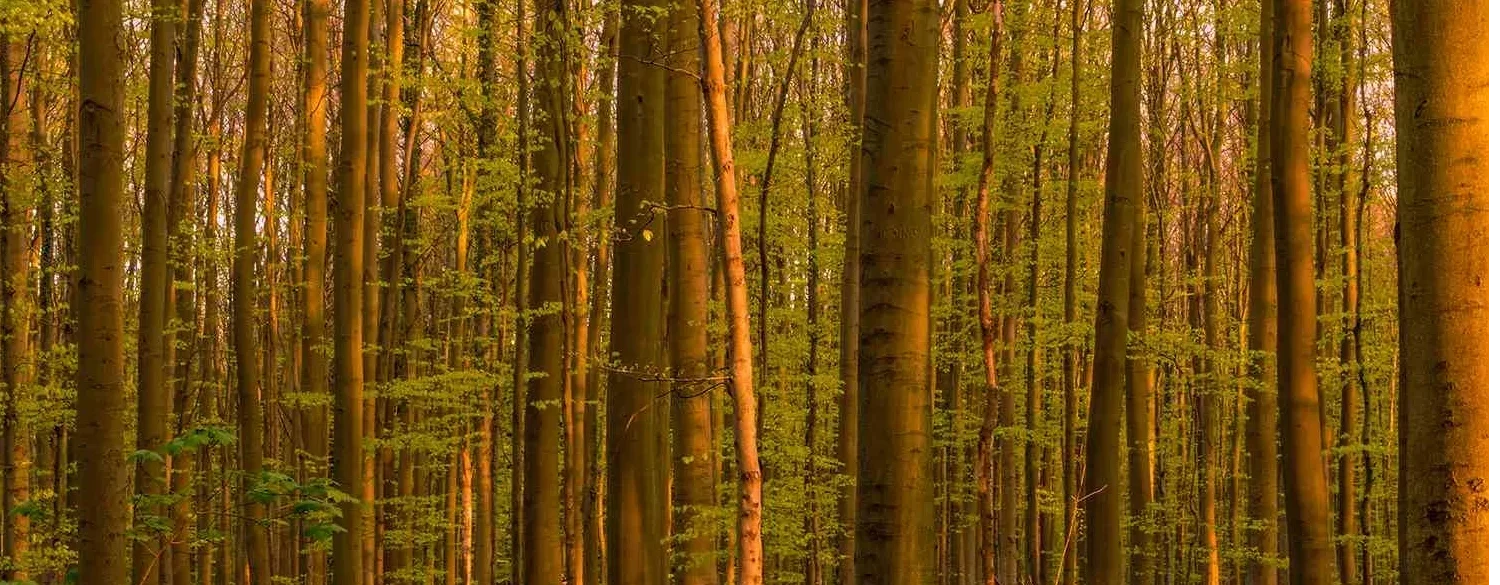

The concept of self-sustaining forests lies at the heart of modern afforestation and reforestation models, providing a low-maintenance, ecologically sound, and impactful approach to restoring ecosystems. Unlike plantation-style forestry that may rely heavily on continued human intervention, self-sustaining forests are designed to flourish with minimal interference, allowing natural growth processes to unfold.
This approach creates habitats that endure and adapt over time, reinforcing the resilience of both the ecosystem and the species it supports.
The Mechanism of Self-Sustainability in Trees
When trees are planted in suitable ecological conditions with a selection of diverse species, they can develop into a sustainable ecosystem. These environments become rich in biodiversity, where different plant species complement each other, forming complex root networks, nutrient cycles, and microhabitats that support a wide range of organisms. As trees mature, their roots anchor soil layers, prevent erosion, and enhance soil quality by adding organic matter. This enables the growth of additional native plants, further enriching the ecosystem.
Over time, these planted trees create conditions where secondary and tertiary growth occurs, leading to what ecologists term “succession.” In this process, the habitat evolves naturally, where early-growth trees provide shade, soil nutrients, and water conservation necessary for the establishment of slower-growing, long-living native species. This layered growth is vital for creating a forest that is self-sustaining, resilient, and adaptive to environmental changes.
Benefits of Self-Sustaining Forests
1. Increased Biodiversity: A self-sustaining forest supports a higher diversity of plant, animal, and microbial life. When trees are allowed to grow naturally, they create niches for various species, from birds and insects to mammals. This biodiversity strengthens ecosystem stability, as diverse communities are less susceptible to disease outbreaks and environmental changes.
2. Resilience to Climate Stress: Self-sustaining forests are more adaptable to fluctuations in climate and extreme weather. The natural selection of hardy species ensures that the forest can withstand adverse conditions such as droughts, high winds, and temperature fluctuations. The trees adapt over time, building resilience into the ecosystem and helping mitigate the impacts of climate change.
3. Soil and Water Conservation: Forests built on self-sustaining models are essential in preventing soil erosion and conserving water resources. The deep roots of established trees bind soil, reduce erosion, and enhance water retention in the soil, making these forests valuable for watersheds and agricultural areas. Trees naturally regulate water cycles, improving groundwater recharge and maintaining local humidity levels that benefit the surrounding land.
4. Carbon Sequestration: Trees absorb carbon dioxide as they grow, and the natural forest model maximizes this effect. Because self-sustaining forests have more extended lifespans and denser vegetation, they serve as long-term carbon sinks, locking carbon in the biomass of trees, understory plants, and soil. This helps reduce the greenhouse gases in the atmosphere, combating climate change.
5. Minimal Maintenance Costs: Once established, self-sustaining forests require minimal human intervention, reducing the long-term costs of management and maintenance. Unlike plantations that need regular pruning, pest control, or fertilization, these forests maintain their balance through natural cycles, making them economically viable for large-scale afforestation projects.
6. Support for Local Communities: Natural forests provide numerous ecosystem services that benefit local communities, including medicinal plants, fruits, nuts, and even materials for traditional uses. When forests are sustainable and left to mature, they can offer a renewable source of resources without compromising the ecosystem’s integrity.
7. Enhanced Ecosystem Services: Self-sustaining forests support pollinators, improve air quality, reduce noise pollution, and moderate temperatures. These ecosystem services are beneficial to human populations, especially those living near forested areas, and contribute to overall ecological health.
Why Self-Sustainability is the Essence of Natural Afforestation and Reforestation
The self-sustaining forest model aligns with the natural processes that govern ecosystems, making it more efficient and resilient over the long term. Unlike artificial or highly managed forest plantations, these forests grow organically, incorporating natural selection and symbiotic relationships into their development. By allowing trees and other vegetation to interact without excessive intervention, natural afforestation promotes genetic diversity, strengthens local ecosystems, and encourages forests that are both enduring and productive.
The self-sustaining approach thus provides a sustainable, cost-effective, and ecologically sound alternative for afforestation and reforestation efforts. As we look to address climate change, biodiversity loss, and habitat degradation, investing in self-sustaining forests offers a holistic solution—one that enriches ecosystems, supports biodiversity, and secures environmental stability for generations.
Comentarios (0)
Deja un comentario