
In the heart of India’s forests, the majestic tiger reigns as a symbol of strength and beauty. However, as the apex predator, tigers are deeply intertwined with their ecosystems, relying on a balanced environment to thrive. One crucial aspect of maintaining this balance is the restoration of tree cover. By understanding the interconnectedness of ecosystems, we can see how revitalizing forest landscapes benefits not only tigers but a myriad of other species.
Why Trees Matter
Think of trees as the pillars of a bustling city—a city filled with life. They provide homes and food for a multitude of creatures, from chirping birds to buzzing bees and grazing deer. The canopy formed by towering trees offers shelter and safety, while their roots work tirelessly to hold the soil together, preventing erosion and improving water quality. When we lose trees, we disrupt this vibrant community, making it harder for many species to survive.
For tigers, the stakes are high. These majestic predators depend on healthy forests to provide their prey. Without sufficient tree cover, both their habitat and their food sources dwindle, threatening their survival. Restoring tree cover, therefore, becomes a vital act of conservation—not just for the tigers, but for the entire ecosystem they inhabit.
The Tiger's Habitat
Consider the black tiger of Odisha, a rare subspecies primarily located in Similipal National Park, where the interplay between trees and tigers is evident. The region's unique genetic variant of tigers relies heavily on the forest's health. Restoration efforts that increase tree density create a more suitable habitat, allowing both the black tiger and its prey—such as deer and wild boar—to thrive.
Moreover, these efforts also provide a sanctuary for other species, such as birds, insects, and smaller mammals, all of which contribute to the overall ecological balance. The presence of diverse flora and fauna indicates a healthy ecosystem, and by restoring tree cover, we are essentially revitalizing a web of life that supports various organisms.
A Community Effort
Emphasizing holistic ecosystem management means understanding the deep connections between different species and the habitats they call home. It’s about recognizing how every element in nature interacts and relies on one another, creating a complex web of life that supports us all. For example, community-led tree plantation initiatives not only restore habitats but also provide jobs and livelihoods for local populations, fostering a sense of stewardship for the environment.
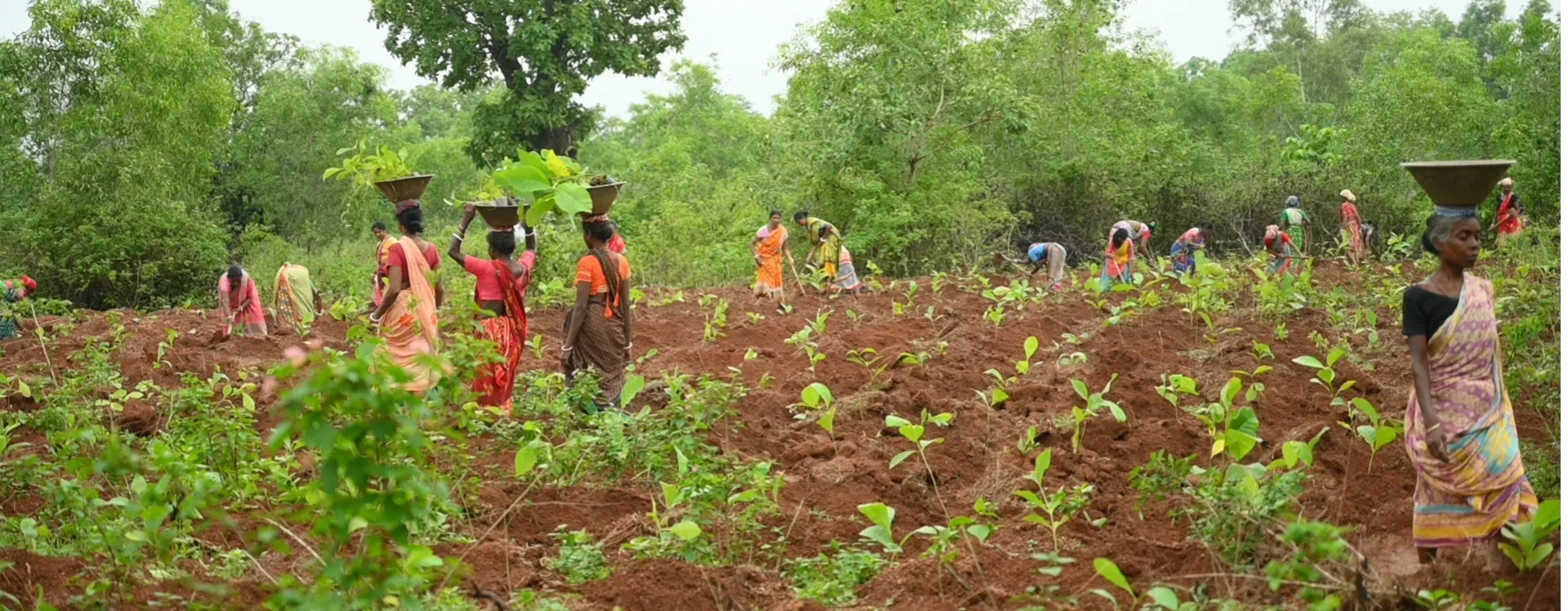
In Similipal, local communities are actively involved in plantation activities, growing tree species that are ecologically significant and economically beneficial. This includes species like Teak, Neem, and Mango, which provide timber, medicinal products, and food sources. By engaging communities in conservation, we ensure that the needs of people and wildlife are met in a sustainable manner.
The Effect of Restoration
Our tree plantation initiative has created a denser patch around Similipal National Park, significantly enhancing the habitat for various faunal species. By carefully selecting tree species with high ecological importance, we are not only protecting the tiger’s habitat but also nurturing a thriving environment for many other animals and plants. This interconnected approach underscores the idea that safeguarding one species leads to the well-being of the entire ecosystem. Increased tree density enhances carbon sequestration, helping combat climate change and its effects on ecosystems.
Trees play a vital role in regulating the water cycle, improving soil quality, and providing crucial resources for both wildlife and human populations. Furthermore, healthier ecosystems lead to reduced human-wildlife conflict. As tree cover improves, animals are less likely to encroach on agricultural lands in search of food. This balance benefits farmers, tigers, and countless other species sharing the landscape.
By planting trees, we not only create a more robust habitat for tigers but also enrich the entire ecological community. Embracing this interconnectedness enables us to protect biodiversity, enhance community resilience, and ultimately safeguard the natural heritage that sustains us all.
Comentarios (0)
Deja un comentario