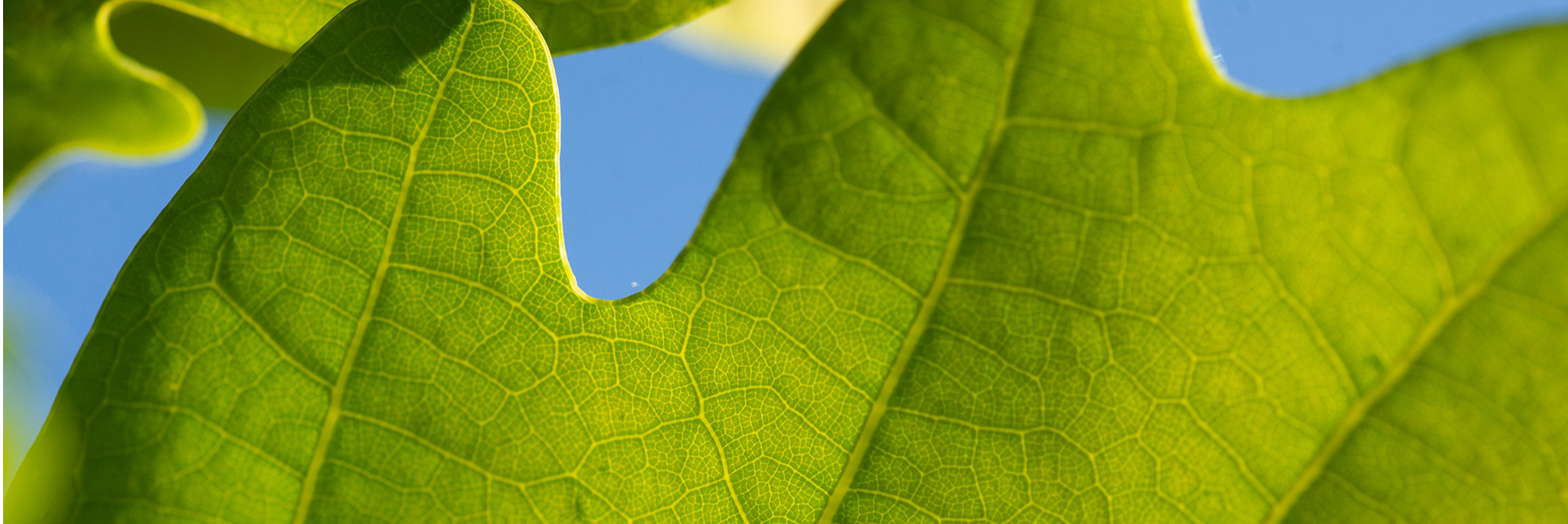

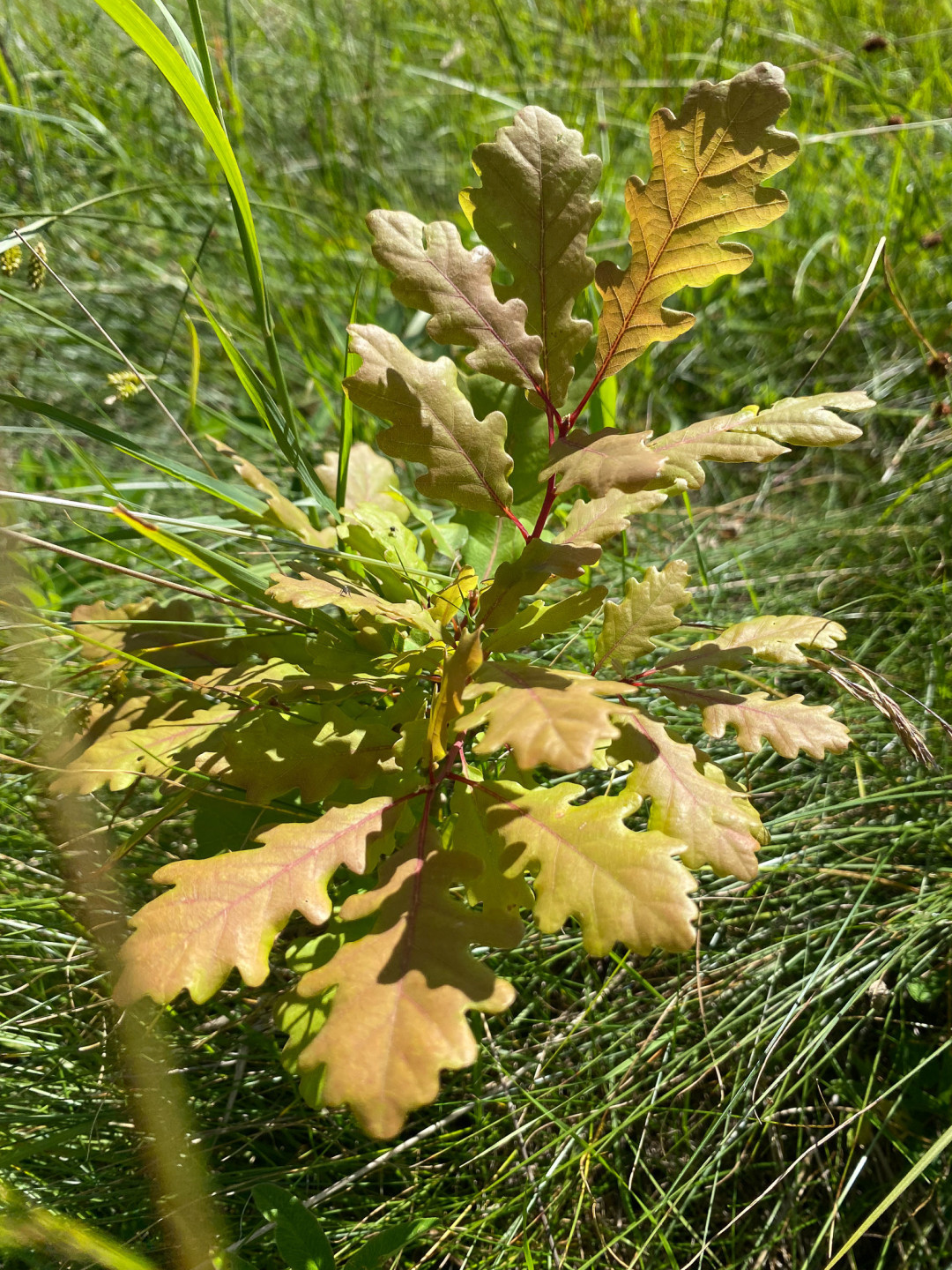
The oak seedlings planted on the foothills of the Ciomad Volcano have absolved the roughest spring and early summer we have seen so far. In the middle of May, a hard, extremely late frost hit them; many lost all of their leaves. Then June passed without any rain (this month is usually the wettest of the year).
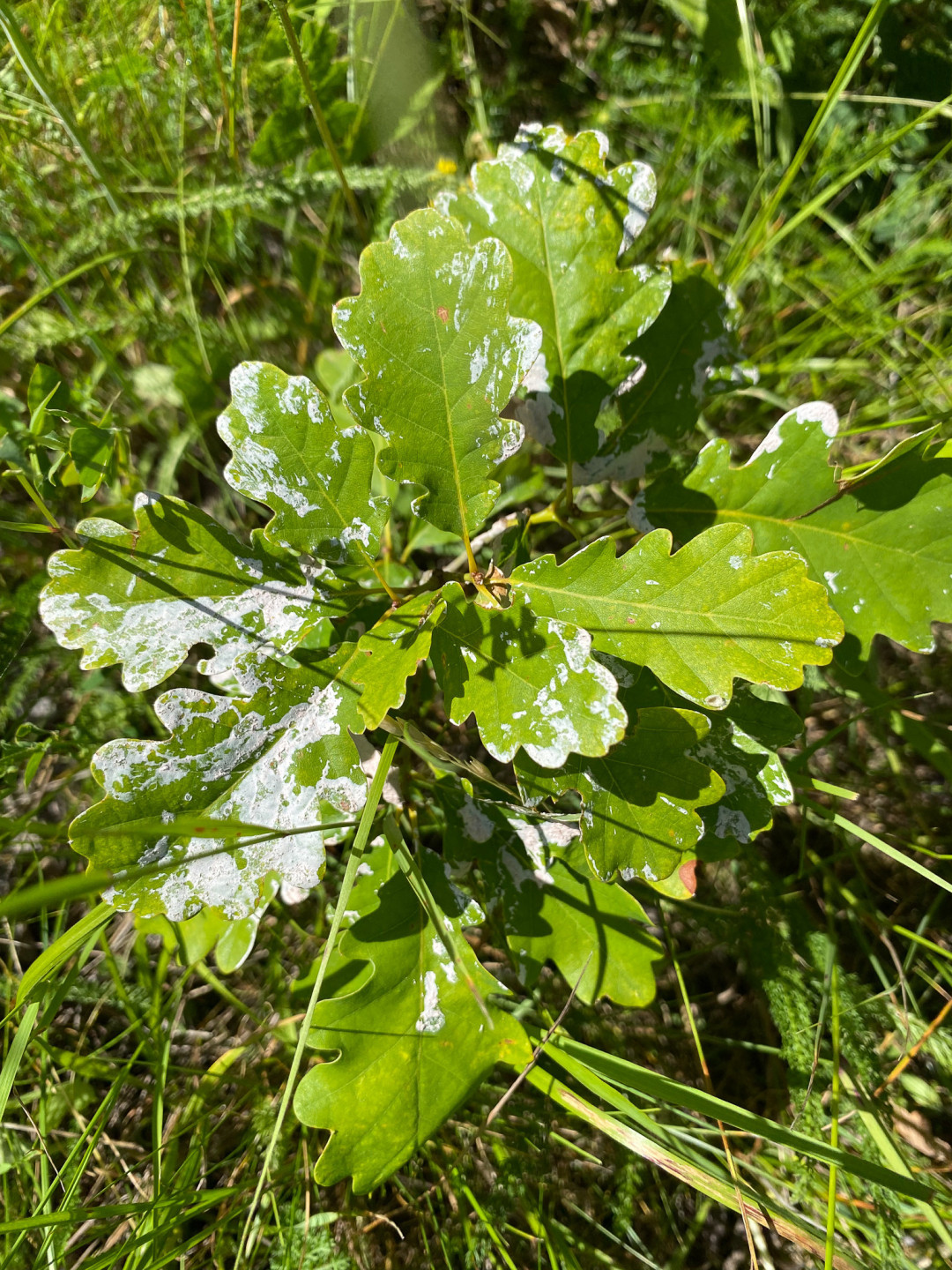
Fortunately, rains have arrived and the young oak seedlings are still strong and going. (The white cream on some of the leaves is the deer-repellent solution.)
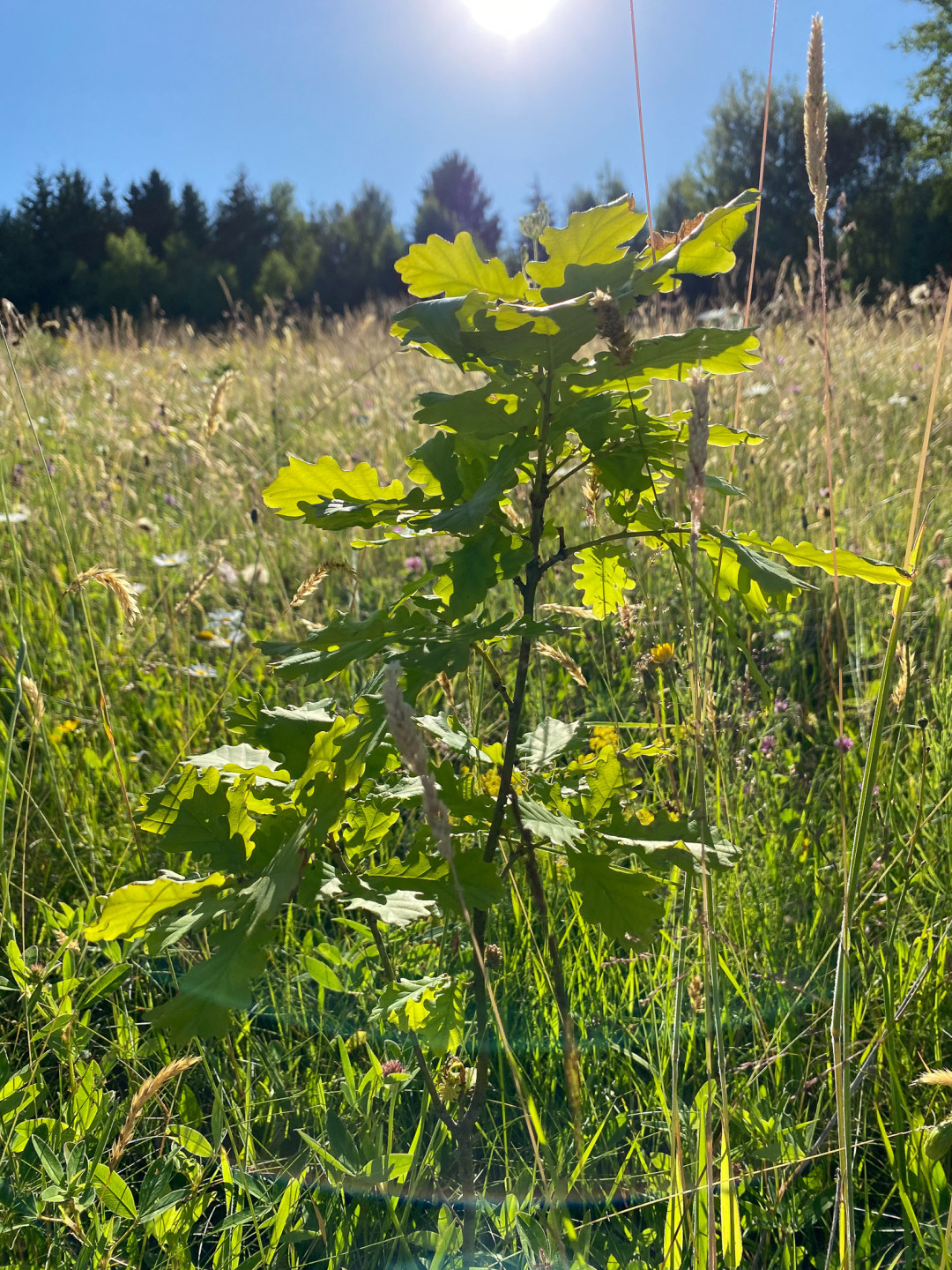
However, we also start to see really pronounced differences in soil conditions.
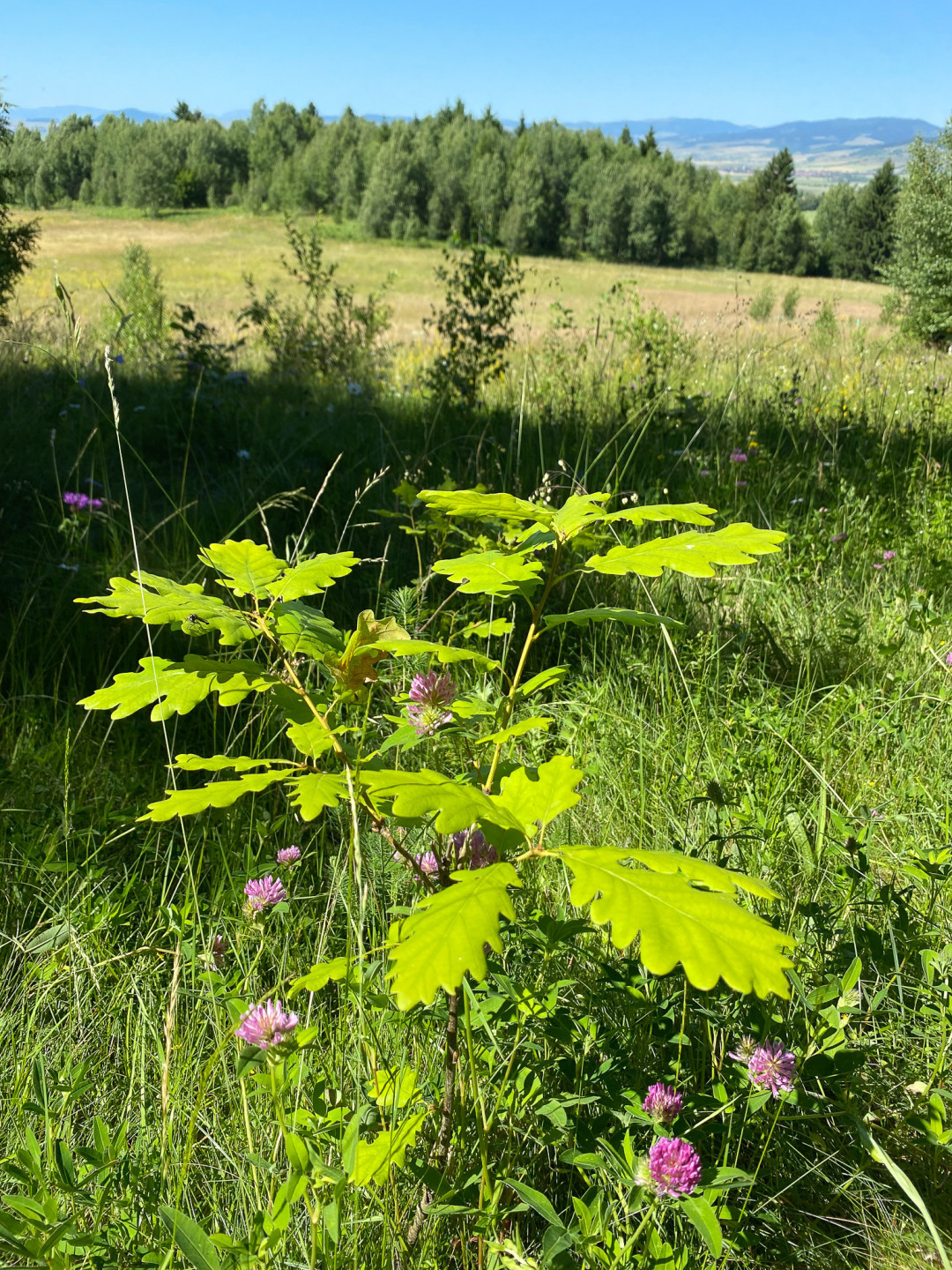
a) In some places — especially close to the existing forest edge and shrubs scattered here and there, where supposedly they could link their roots to the existing mycorrhizal network — they developed nicely.
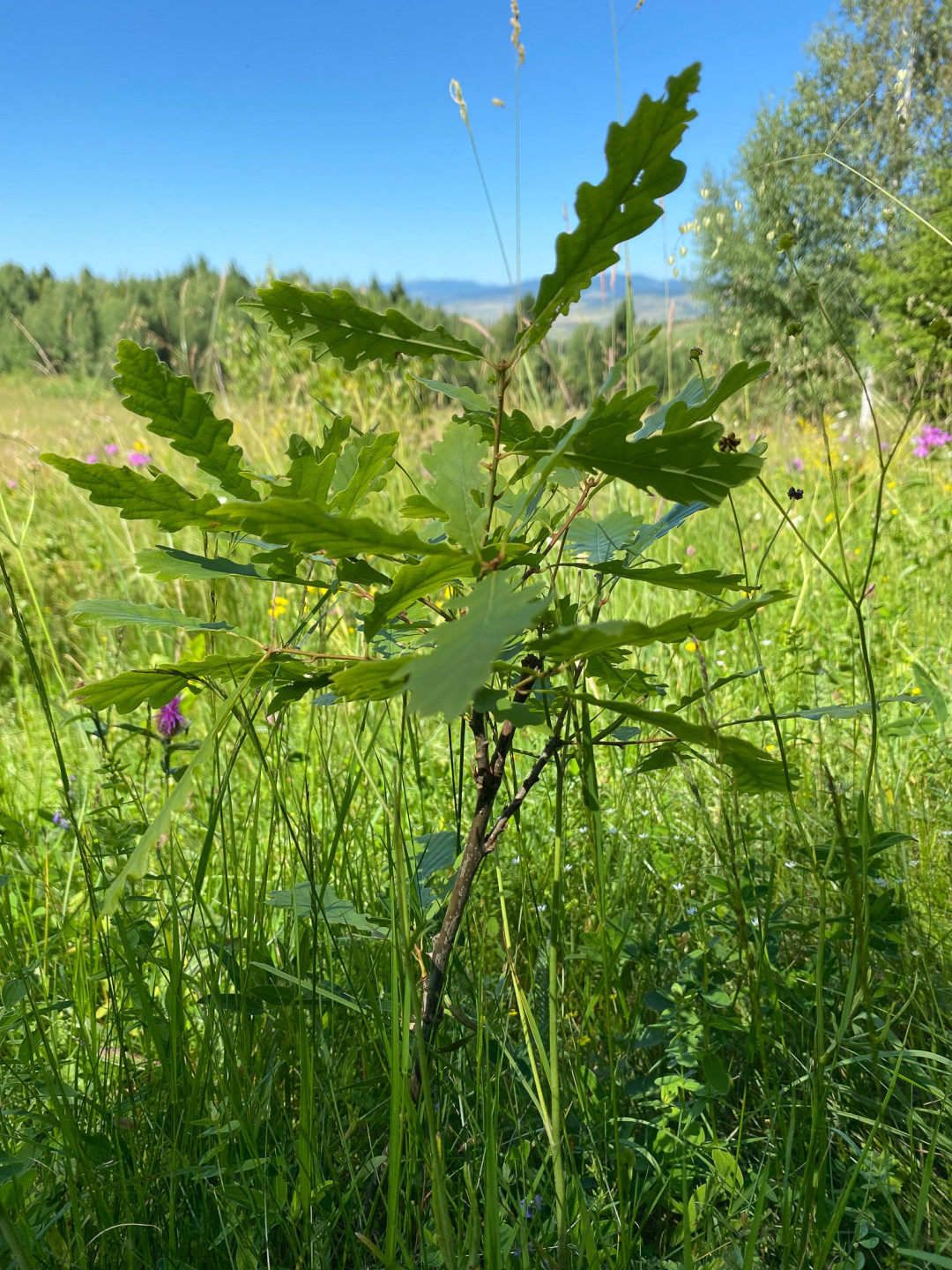
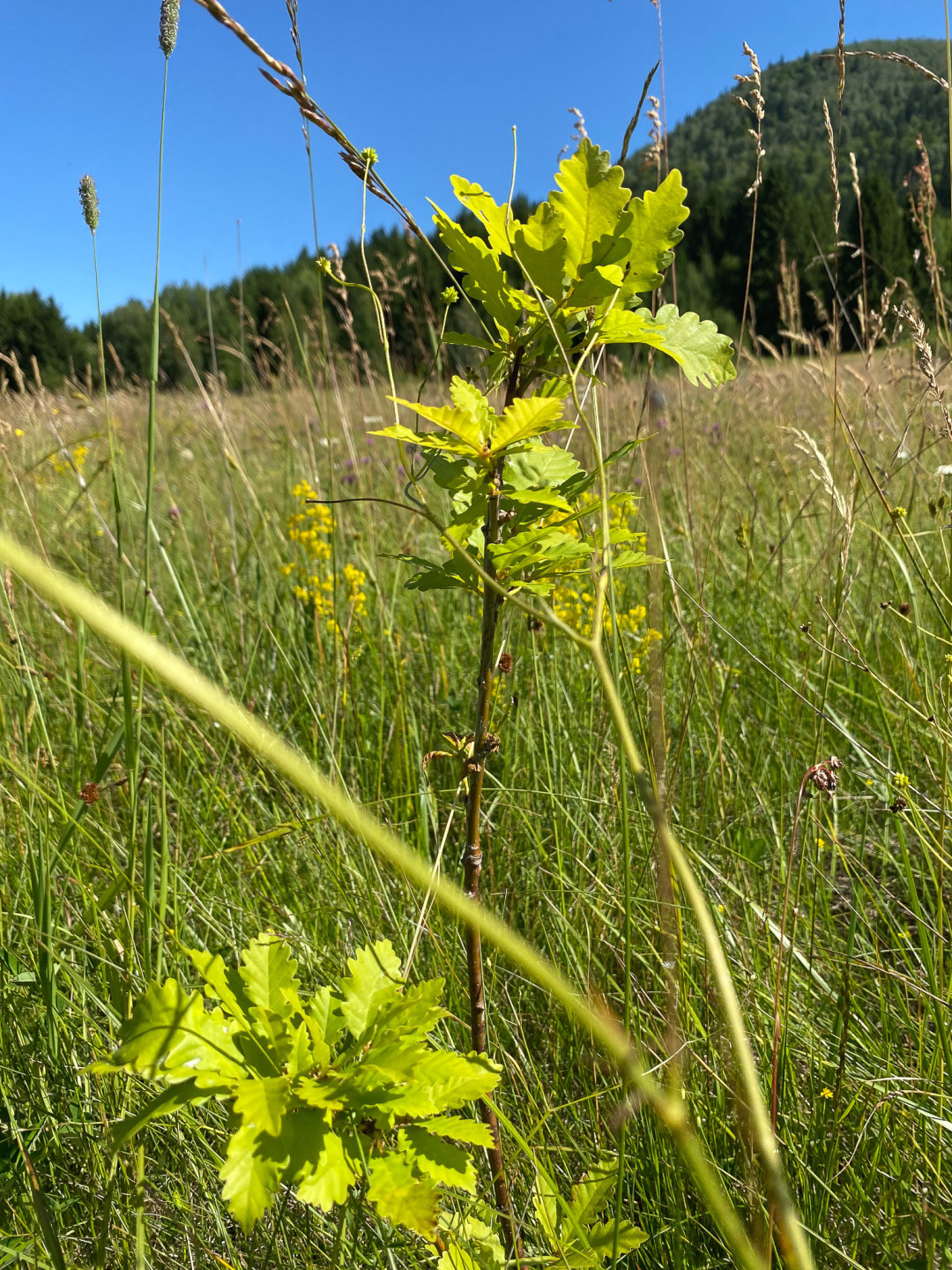
b) In other, more exposed, sunlit, empty places, they seem to be smaller and weaker. This is not a miracle, as the soil is acidic and generally poor on these mountain meadows. We generally do not apply fertilizer to the seedlings, but these more exposed oak seedlings might be one of the exceptions. We are going to apply some organic, chicken-manure-based fertilizer pellets around them before the next rainy period. And the ones planted in the future in this location will get a handful of organic chicken poop pellets around their roots to provide a boost in the first years.
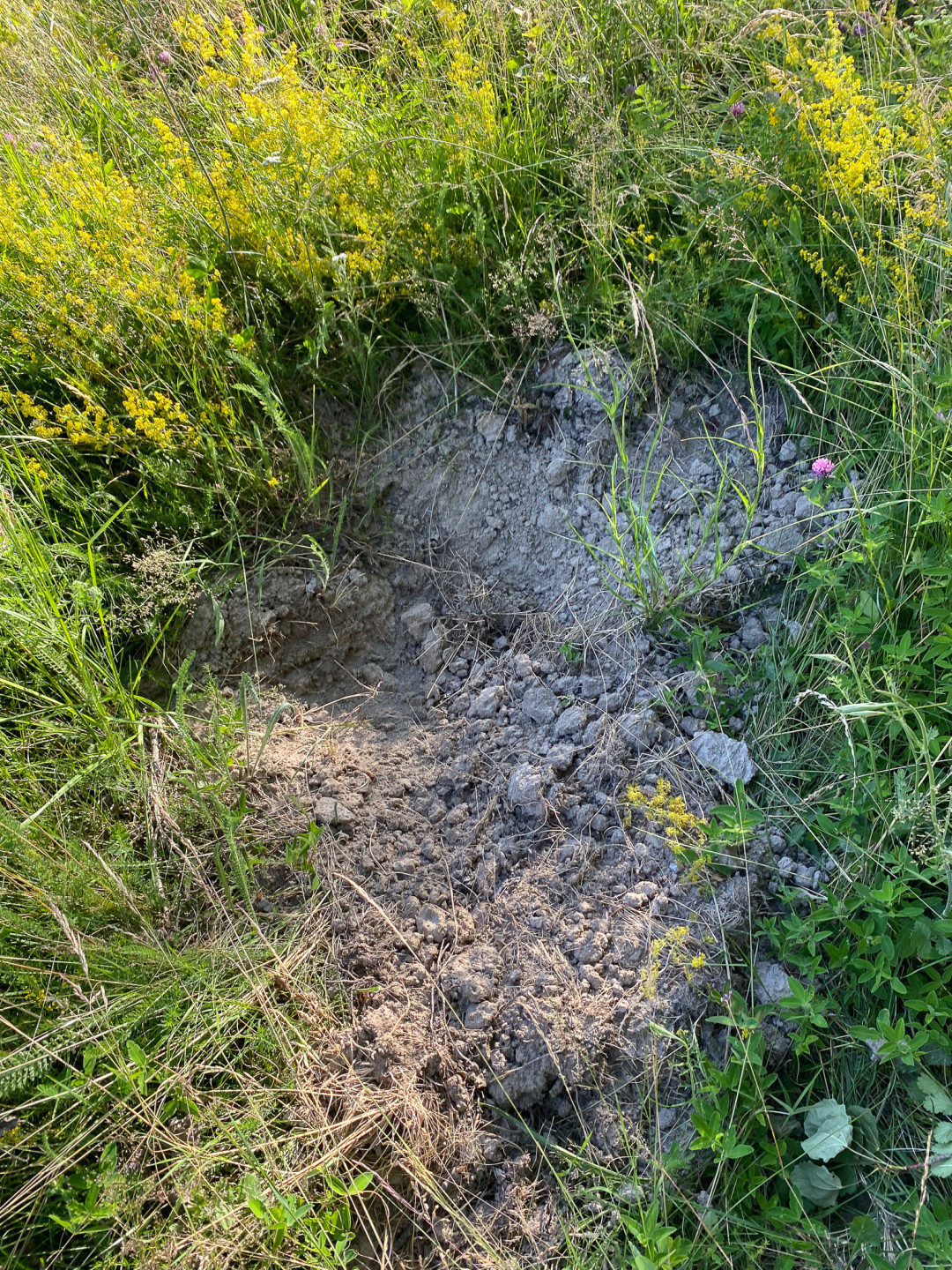
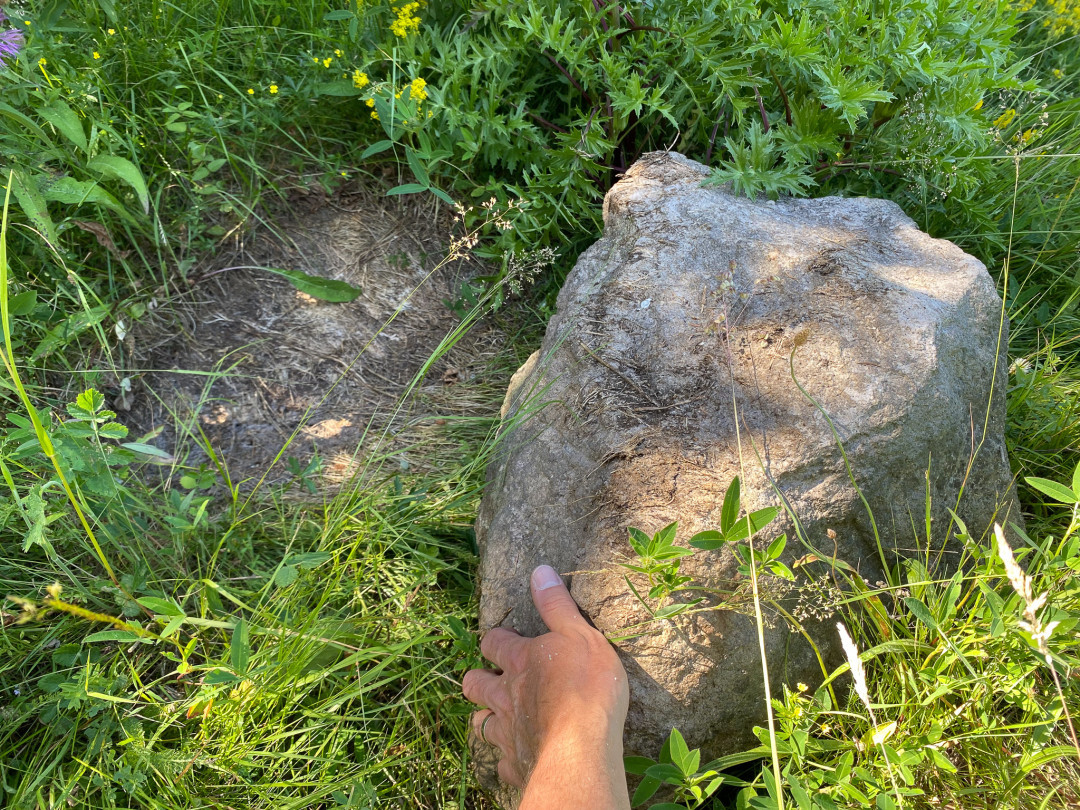
Signs of bears digging and moving boulders to find bumblebee and ant nests (below).
Commentaires (2)
Laissez un commentaire