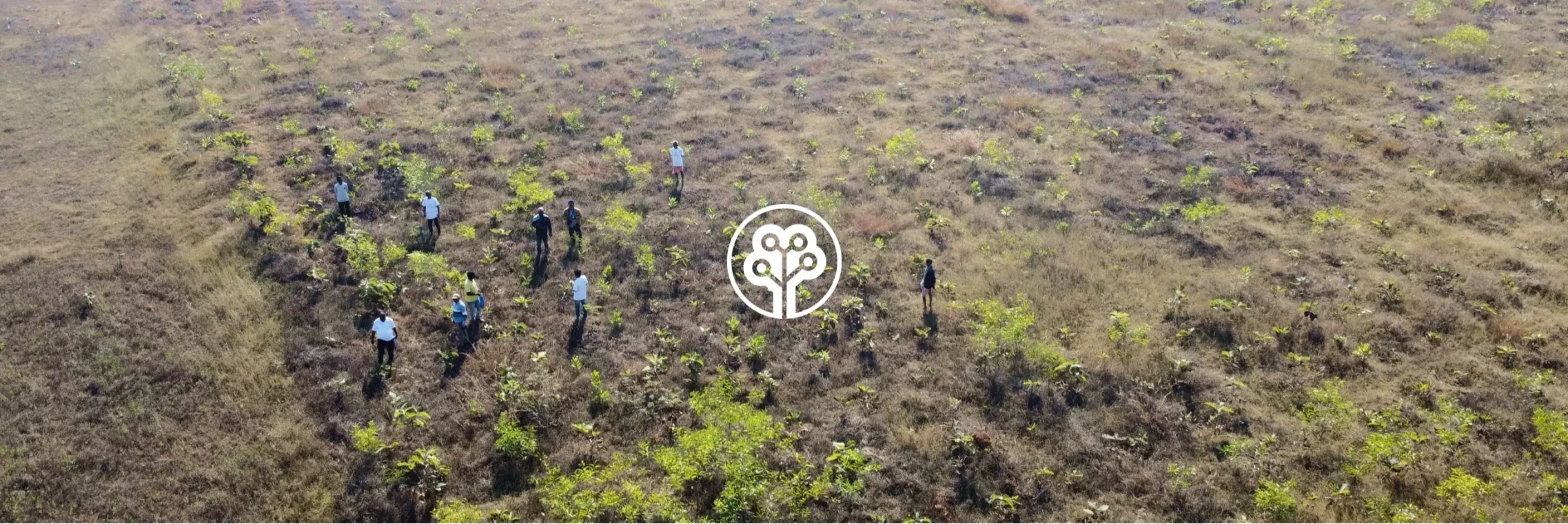

A new planting site has been launched in Mayurbhanj District, Odisha, India, under the Trees for Tigers project. This initiative focuses on restoring degraded forest areas around Similipal National Park, one of India’s most important tiger reserves and a UNESCO-recognized biosphere reserve. By strengthening forest cover on the park’s fringes, the project supports wildlife conservation while improving ecosystem stability.
Why this project matters
Similipal National Park spans over 2,750 km² and is home to a wide range of endangered species, including elephants and the world’s only population of melanistic (black) tigers. However, habitat fragmentation caused by mining activities, infrastructure development, and expanding human settlements has weakened forest connectivity and increased pressure on wildlife.
The National Tiger Conservation Authority has identified the need for restoring wildlife corridors connecting Similipal with other reserves, such as Satkosia. Without intervention, fragmented landscapes increase human–wildlife conflict and threaten the long-term survival of tigers and other species.
This project addresses these challenges by restoring degraded and fragmented forest areas that are essential for maintaining ecological balance.
The project aims to:
- Restore degraded forest land using valued indigenous tree species to strengthen ecosystem health.
- Improve wildlife habitats and movement corridors, supporting tigers and other endemic and endangered species.
- Enhance ecosystem services, including soil protection, river catchment restoration, and microclimate regulation.
- Support forest-based livelihoods by creating work opportunities and providing access to fuelwood and minor forest produce.
The objective
The Trees for Tigers planting site will host 20,000 trees, contributing to habitat restoration around Similipal National Park and along critical wildlife corridors. Tree plantations help provide additional food sources for herbivores, reducing their movement outside forest areas and limiting crop damage and human–wildlife conflict.
The project also supports local communities—many of whom depend on agriculture and forest resources—by generating thousands of workdays, particularly for women, and reinforcing traditional forest stewardship practices.
By restoring forest cover, improving habitat connectivity, and supporting community-led conservation, this initiative plays an important role in protecting one of India’s most unique and biodiverse landscapes.

Commentaires (1)
Laissez un commentaire