
How East Africa's Flooding Season Is Reshaping My Field Visits
By John Bett | TRAVEL & FIELD NOTES
Hey folks—if you’ve been following my journeys across East Africa’s backroads, you’ll know I usually head out every month (sometimes every couple of months) for on-site visits to our planting projects. These are remote places across Kenya, Uganda, Tanzania, and beyond—where the work is very real, and progress depends on what’s happening on the ground, not just what shows up in reports.
Lately, though, the story hasn’t just been about travel. It’s been about the trees—and what’s happening to them.
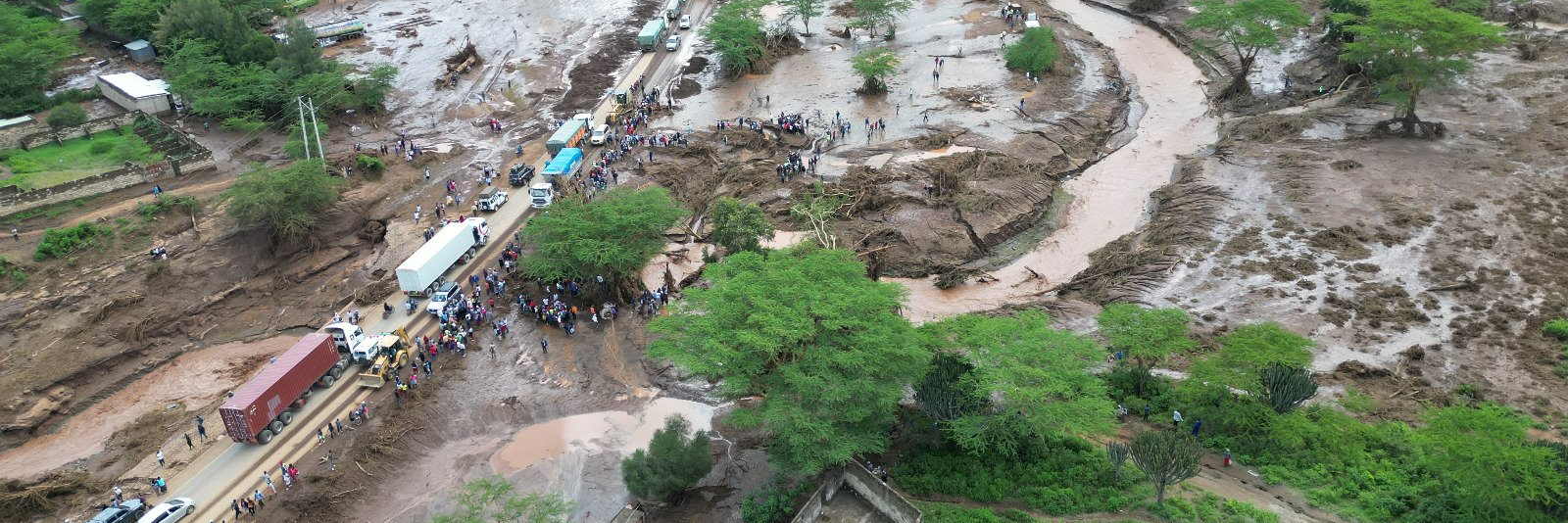
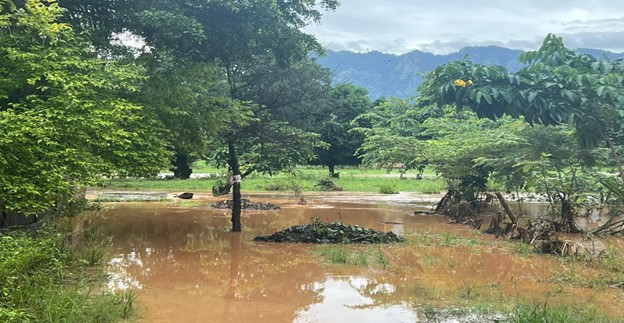
Kenya has been experiencing unusually heavy flooding this season, with some areas receiving rainfall far above average. Rivers have overflowed, soils have stayed waterlogged for longer than expected, and in some places, planting sites have been directly affected. For young trees especially, this matters. Seedlings need a delicate balance—too little water, they dry out; too much, and their roots can suffocate before they properly establish. In a few sites, erosion has undone careful land preparation, and in others, nurseries have been damaged.
So while the flooded roads make travel harder, the bigger concern is what all this means for the planting sites themselves.
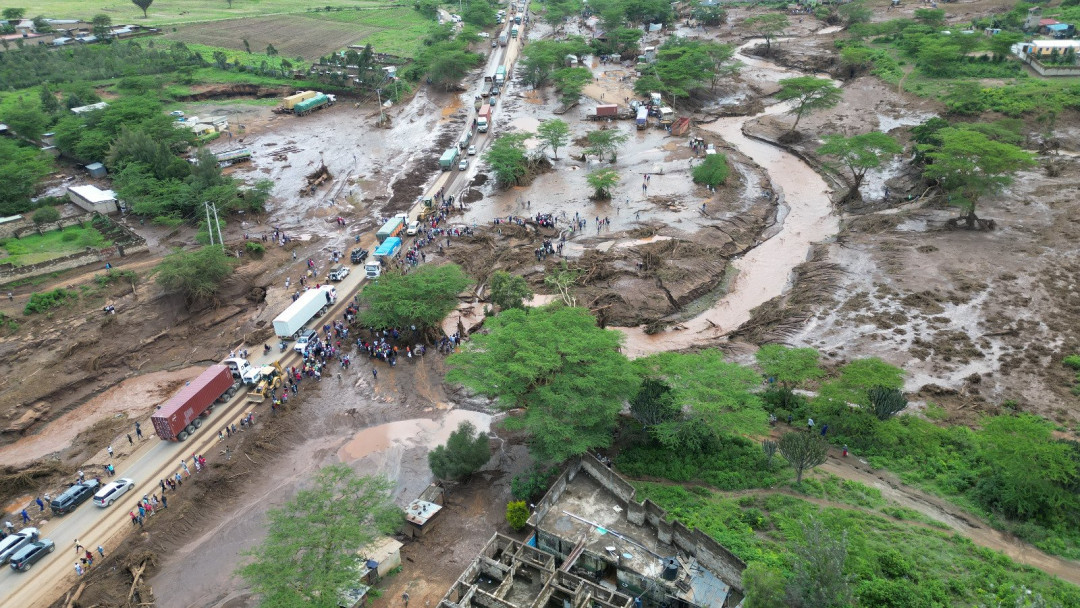
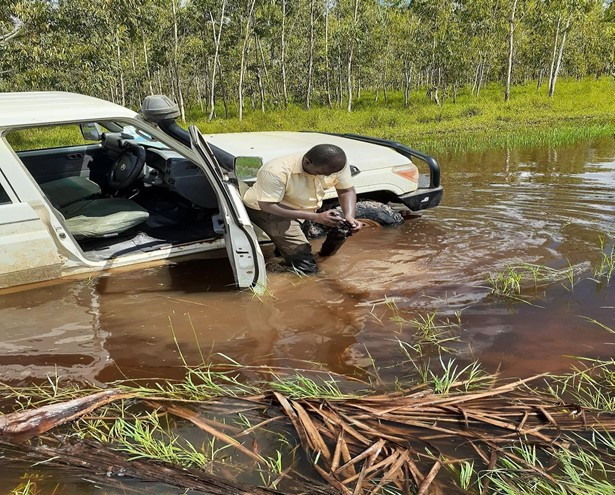
There’s something humbling about planning a field visit for weeks—coordinating with teams, mapping routes, and setting up schedules—only to find a swollen river or washed-out track changes everything. Most of these sites aren’t near paved roads. They’re deep in landscapes where access depends entirely on weather and terrain. And when access becomes uncertain, so does the ability to properly monitor and support the work.
That matters because on-site visits aren’t just routine check-ins. They’re how you really understand what’s going on. You walk the land, talk to farmers and community members, and see how seedlings are doing beyond what photos can show. A delayed visit doesn’t just affect travel—it creates a gap in understanding, especially during early growth stages when trees need close attention.
Flooding also affects the communities we work with. Crops can be damaged, homes flooded, and daily routines disrupted. In some cases, though, trees themselves become part of the resilience story. Certain tree species can survive waterlogged conditions better than crops, and some even provide food—fruits, leaves, or nuts—when annual crops fail. In that sense, restoration work isn’t just about long-term environmental recovery; it can also support food security when conditions are unpredictable.
Adapting to this has meant rethinking how we work without losing what matters. One shift has been building more flexibility into travel plans—allowing for movement within a window rather than fixed dates. It sounds simple, but it depends heavily on real-time updates from local teams.
Another has been leaning more on community-based monitoring. Local coordinators and planters have been sharing photos, videos, and voice notes to keep us updated. It’s not the same as being there, but it keeps the connection alive—and often, their insights are even more detailed than what I’d pick up during a short visit.
We’ve also started prioritizing differently. Instead of covering many sites in one long trip, visits are becoming shorter and more targeted—focusing on areas where conditions are most uncertain or where in-person assessment is most critical.
Through all of this, one thing has become clearer: the work doesn’t stop when access becomes difficult. It shifts.
Behind the scenes, our project teams have been adapting quickly—finding ways to stay resilient and protect the progress already made on each planting site. They’ve been adjusting planting schedules, managing resources carefully, and continuing the work even when conditions are far from ideal.
For us, this has meant staying closely connected. Regular check-ins, shared updates, and constant communication have become essential. While it’s not quite the same as being on the ground, it has reinforced just how strong, resourceful, and committed our local teams are.
Fieldwork in this region has never been predictable. The floods are just another reminder of that. But they also highlight something important: this work is bigger than any one visit. It’s built on people, persistence, and the ability to adapt—one site, one season, one tree at a time.
Commentaires (3)
Laissez un commentaire