
France just had its hottest day since records began in 1947. The UK had its hottest June day on record. Around 380 million people were living above 30 °C, and it was still only June. This is what happened, why it was so severe, and what we can do about it.
That was the whole week, not one bad afternoon. France logged its hottest day since measurements began in 1947. The UK had its hottest June day on record. Spain had its warmest June since 1950. Around 380 million people were living above 30 °C, and the nights brought little relief. So everyone was asking the same question. Was this just a hot week, or something bigger?
The answer is a long way up, in the shape of the air sitting over the continent.
A lid on the pot
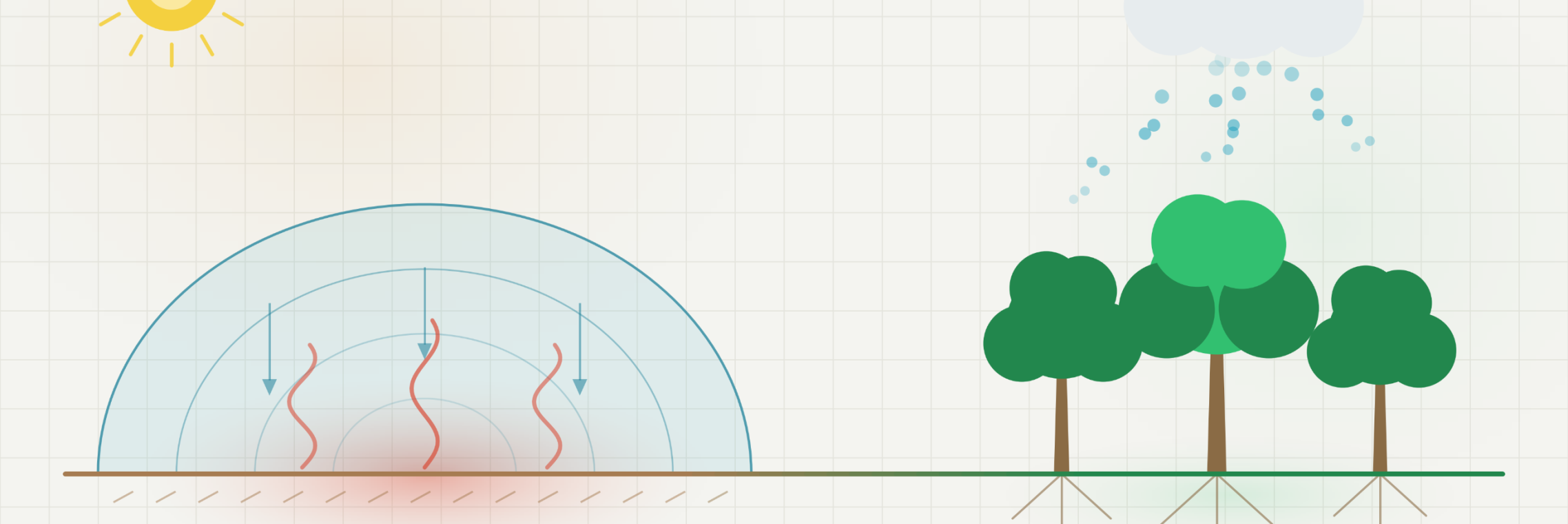
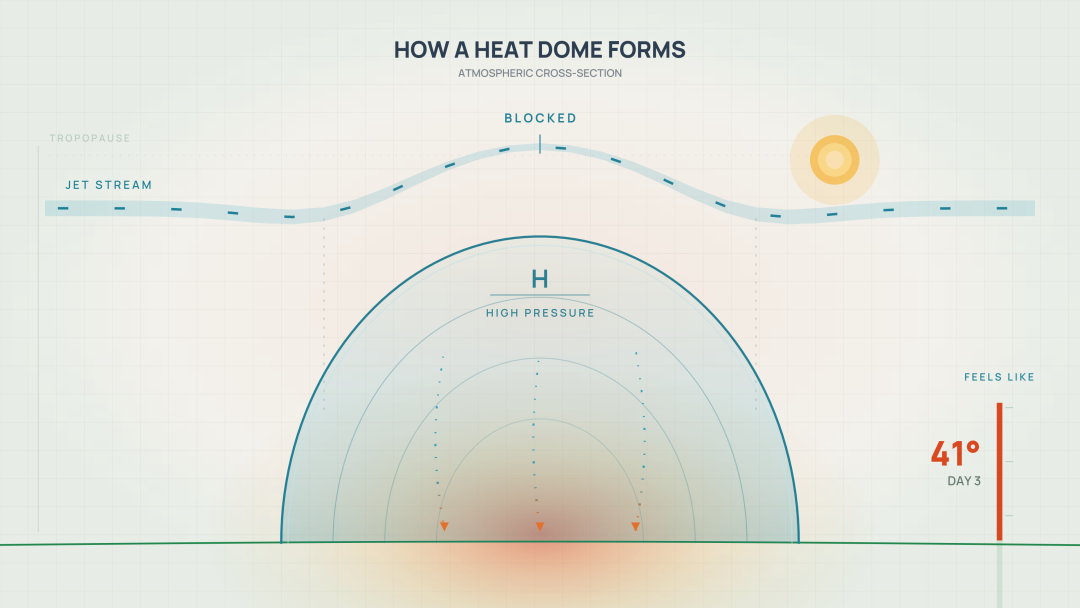
Picture a lid on a pot. The jet stream is the fast river of air that normally pushes weather across Europe. This time it kinked into a stationary block and trapped a huge dome of high pressure over the continent. Under high pressure, air sinks. As it sinks it compresses and heats up. And because the pattern barely moved, the heat had nowhere to go. Every morning started warmer than the one before.
A dome like that is ordinary weather. Two things made this one severe. It pulled its air straight up from the Sahara. And after a dry spring, the ground had almost no moisture left to evaporate, so it had no way to cool itself. Keep that second point in mind, because it becomes important later. Add the June solstice and the strongest sun of the year, and temperatures ran 12 to 18 °C above normal.
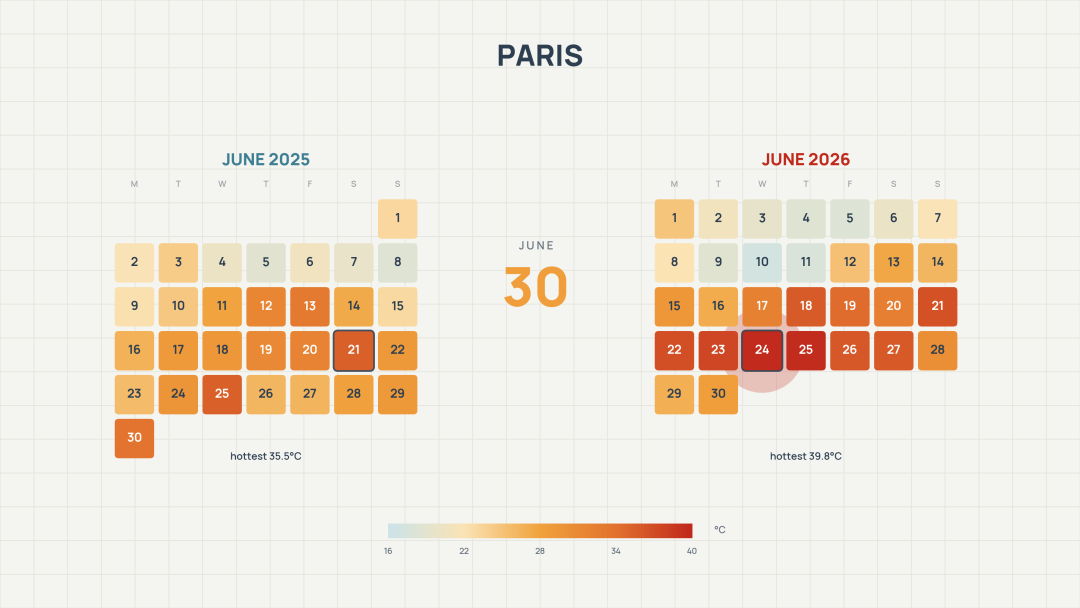
What set this event apart was not the heat itself. It was the timing. These were late-July temperatures, and they arrived in late June. In Paris, the second half of the month went from an ordinary early summer to a run of days over 39 °C.
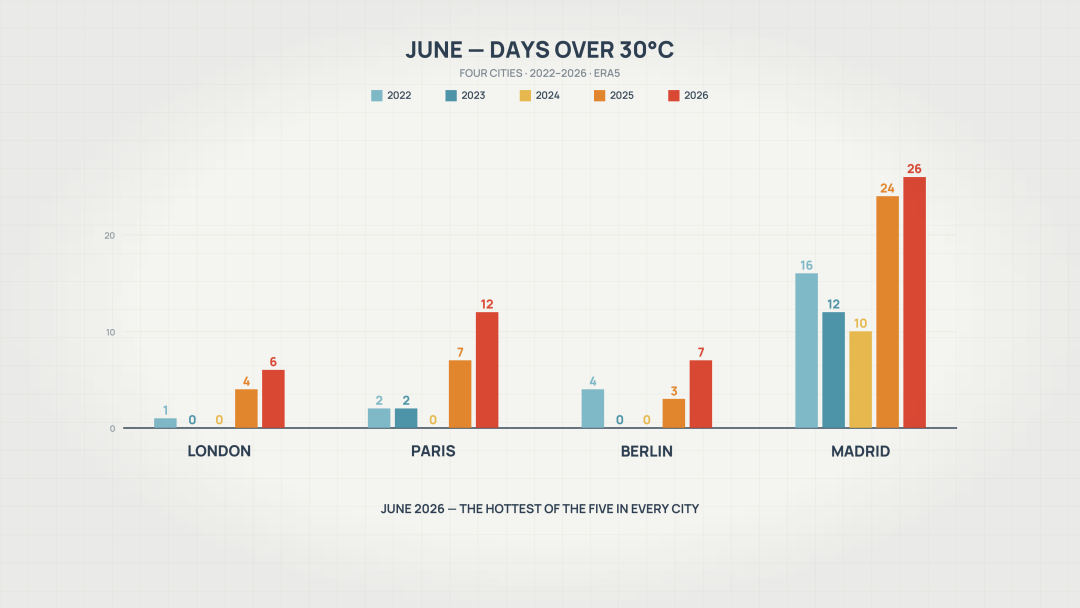
The toll rose with the temperatures. Spain and Portugal reached the low forties. France placed more than half of its departments on red alert. And the longer record tells the real story. Of the 52 heatwaves France has recorded since 1947, two-thirds have occurred since 2000. In the UK, days above 30 °C have more than tripled since the 1960s.
Why Europe, and why now
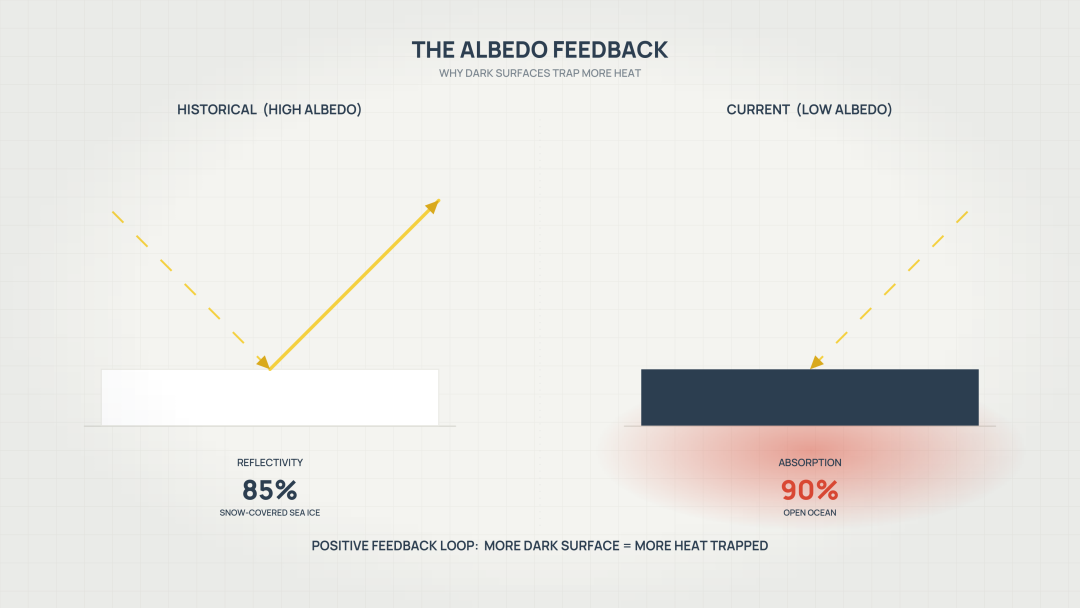
That rise is not spread evenly. According to the World Meteorological Organization, Europe is warming about twice as fast as the global average. Part of the reason is geography. The continent reaches into the Arctic, the fastest-warming place on Earth, and the process at work there is called the albedo effect. Bright ice reflects sunlight back into space. Dark ocean and land absorb it. As the ice melts, it uncovers those darker surfaces, they take in more heat, and that heat melts more ice. The loop reinforces itself.
That brings us to the question everyone wants answered. Was this normal weather, or climate change?
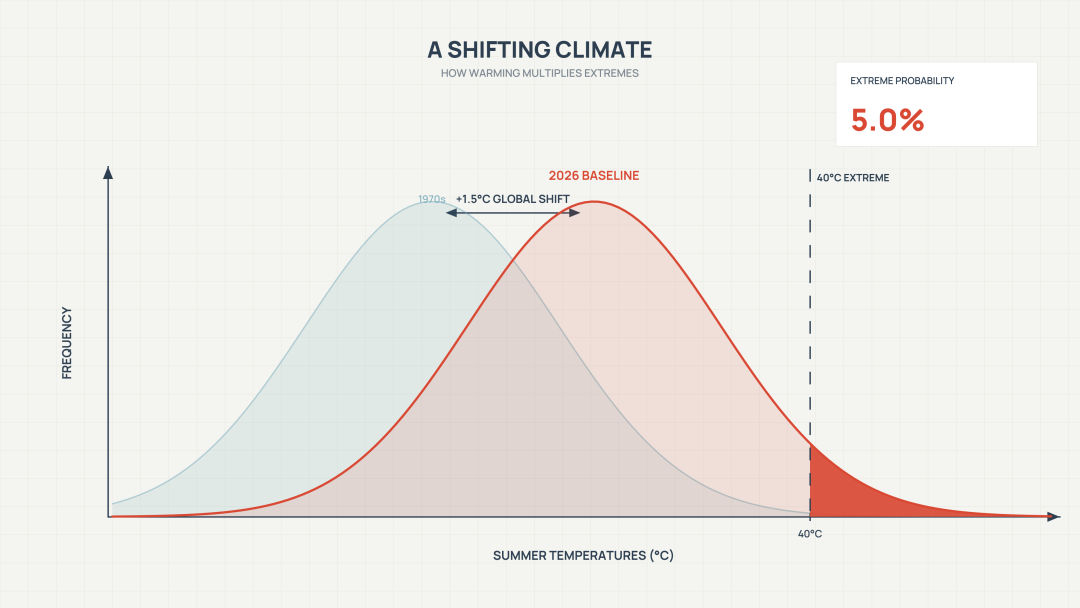
It was both. The heat dome is normal weather. The temperatures are not. Climate change does not create the pattern. It shifts the odds toward extremes. The same dome would have formed anyway, but it formed on a hotter baseline, so it pushed past 44 °C in June, and records that had stood for generations fell in a single afternoon. And this was still June.
The part we can change
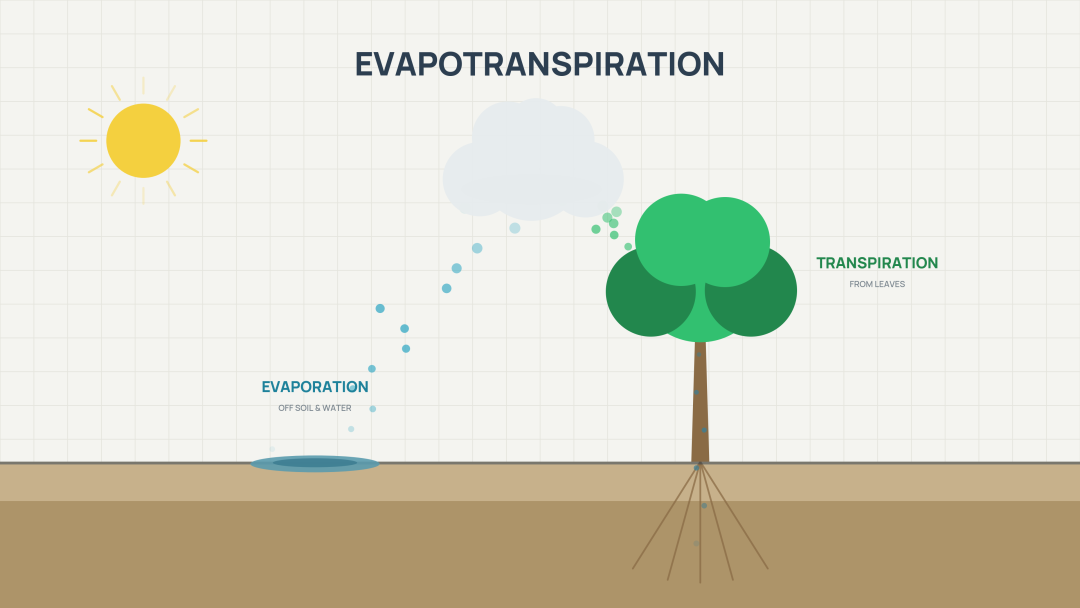
Remember why the ground could not cool itself? It had no water left to evaporate. That cooling process has a name: evapotranspiration. Trees do it every day. A tree draws water up through its roots and releases it through its leaves, cooling the air around it.
The effect is bigger than it sounds. Under tree cover, the ground can run 8 to 12 °C cooler than bare concrete. And while they cool the air, trees are also pulling carbon out of it and storing it in wood and soil. The world’s forests already hold more carbon than the entire atmosphere. At scale, that means billions of tonnes of CO₂ a year, and cooler ground in every summer that follows.
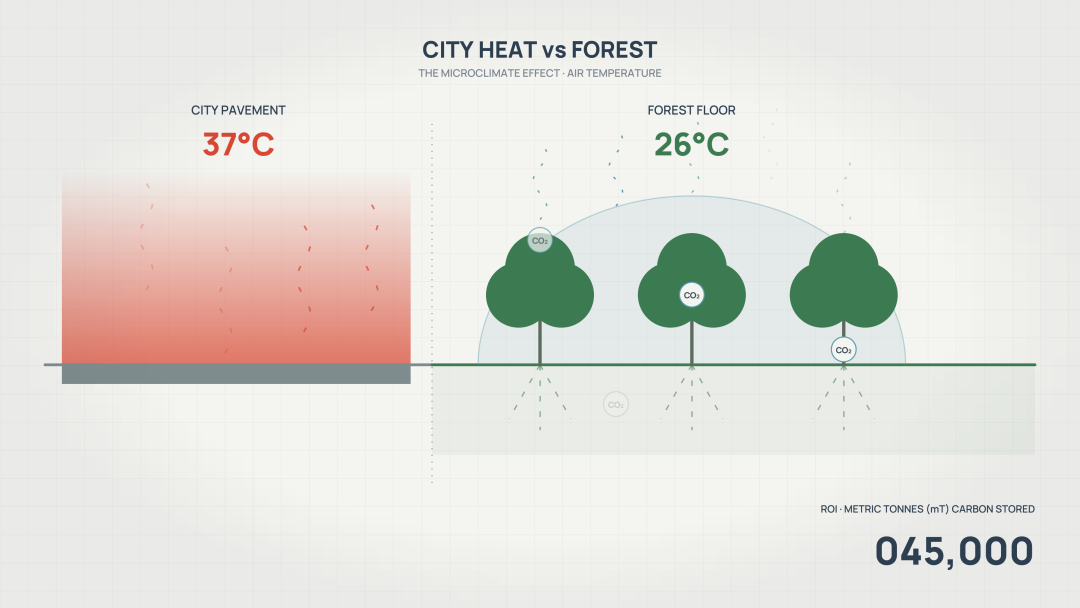
To be clear, forests alone will not stop a heat dome from forming. But more trees mean cooler land now, and less carbon driving the next heatwave, reversing the future destruction.
Plant trees for tomorrow
The heat dome is the problem. Trees are part of the answer, and you can start today. Every forest you help plant cools the people under it and stores carbon for the planet around it. Plant your first trees with us under TreesForTomorrow and help turn one extreme summer into a cooler baseline for the next.
Commentaires (0)
Laissez un commentaire