Written by: John Bett, Tree-Nation Africa Regional Manager.
Introduction
In May 2023, the Tree-Nation Reforestation Project Team visited one of our most recent local partners, the Mlola Biodiversity Restoration (MBR) to have a direct look at how the project is working. John Bett, our Africa Regional Project Manager, spent a day on the ground gathering invaluable insights for our team.
The primary goal of the visit was to evaluate the project in detail, how they work, their strengths and limitations and how we can improve our partnership. John´s journey led him to our exclusive Kwemfumbii site, in the Lushoto district, where he witnessed exciting progress.
Background information
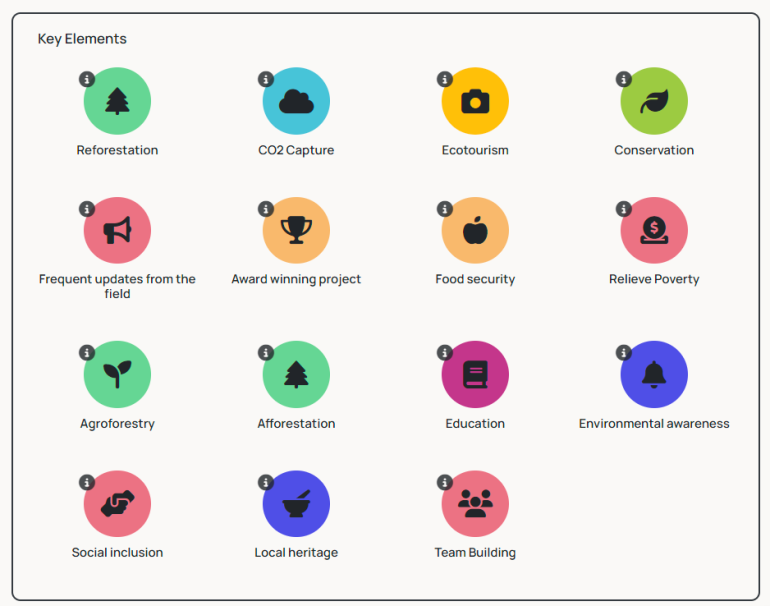
Situated in the Lushoto region, specifically within the Mlola division of the Usambara mountains, MBR serves as a pivotal undertaking, prioritizing ecological restoration, biodiversity conservation, and climate change mitigation. The project addresses the palpable loss of biodiversity in the region through a multifaceted approach that includes tree planting initiatives, environmental education programs, community engagement, and the propagation of native tree seedlings. These activities are reflected in their key elements, as detailed on their Projects page on the Tree-Nation website.
Our visit
The visit focused on the Tree-Nation exclusive planting site called Kwemfumbii (Planting site’s page on Tree-Nation website), located over the hill 3 km from Mlola, in the Lushoto District. So far, the project has been able to plant over 8,000 trees already, and has already started planting their first batch of trees with us. The visit had the specific objectives of:
Monitoring our reforestation efforts
Meet and interview the local planting teams and communities
Discuss ways to strengthen our partnership and work closely together.
From Kenya, our team made its way to Mlola and journeyed up the hill to the planting site, where they met with the MBR project team. They were led by the Project Manager Hussein Amiri Mkwizu, who showed us their whole planting site, team and methods.
As a single day visit, the planning went as follows:
Saturday, May 6th:
Morning: interviews conducted with the project teams Director and local planters.
Afternoon: visit to the nurseries and planting site
This plan was made to gather as much insights as possible from observation of the process the project follows and the perspectives the local team has.
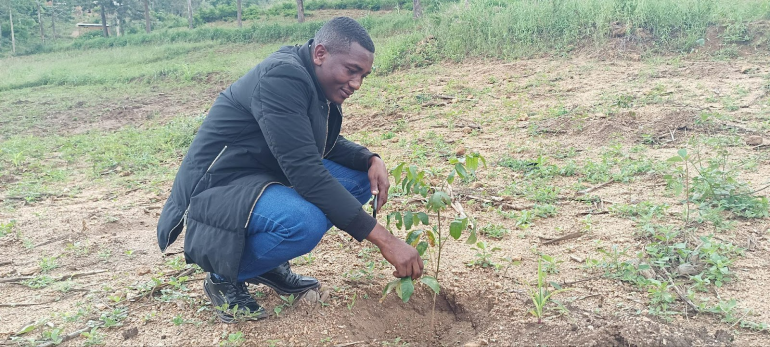 Fig. 1 MBR project leader showing a growing seedling.
On the ground: Survey methods and findings
At present, the MBR project boasts the capacity to facilitate the planting of over 5,000 trees annually within Lwandai and its neighboring villages, with prospects for further expansion on the horizon. The team has already initiated planting operations at the Kwemfumbii site, which spans approximately 87.5 hectares, with the objective to plant their first funded 10,000 trees. Notably, the project has secured the necessary permits and authorizations from local authorities, affirming its adherence to regulatory guidelines.
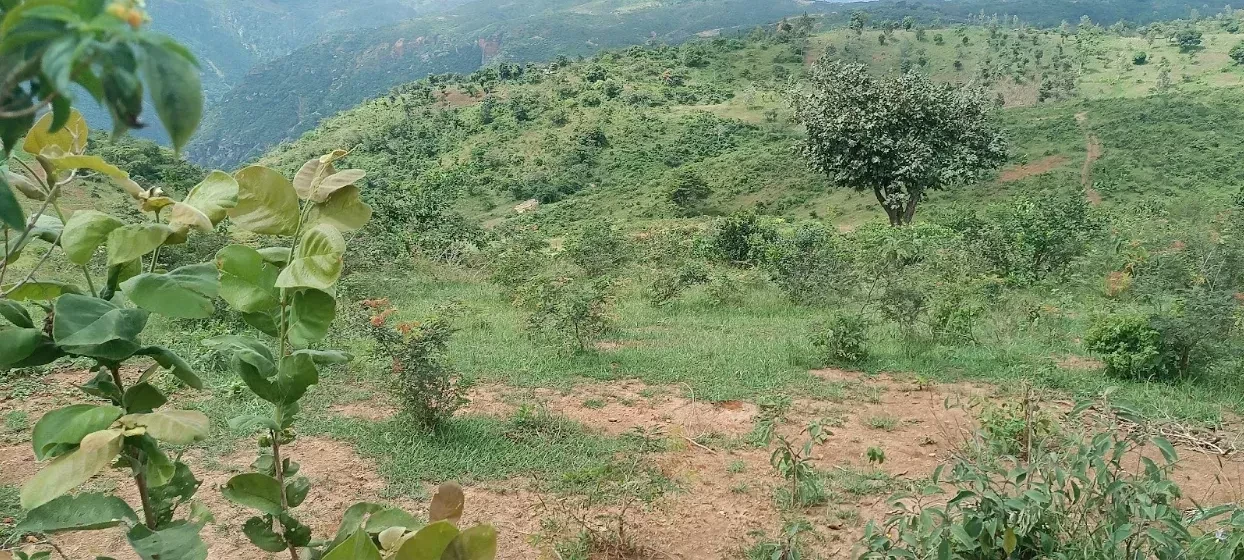
The surrounding landscape of Mlola notably exhibits signs of severe biodiversity depletion, characterized by barren terrain and diminished tree presence. During our consultative visit, the Director of the Lushoto District Council underscored the pressing need for robust tree planting initiatives in the area.
The MBR project comprises a dedicated cohort of full-time planting employees responsible for regular planting activities. On launch days, the project garners additional support from temporary contributors, including local government leaders and volunteers. Integral to the project's operations is the active participation of local communities, often assisting in transporting saplings. MBR's formidable organization, precise objectives, and strategic approaches to ecological restoration and biodiversity conservation underscore its potential for significant impact. Through its cooperation with local communities and authorities, the MBR project is poised to effect substantial change, not just within the Mlola division, but on a much larger scale.
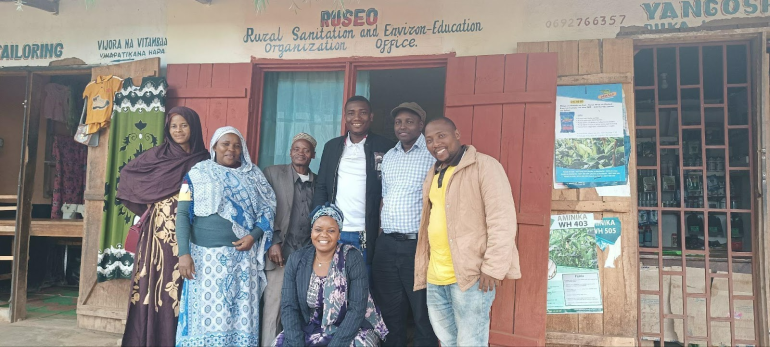 Fig. 2 MBR local team with John Bett, Africa Regional Project ManagerRisks and mitigation
Some of the challenges the project faces are the following:
Limited rainfall poses a challenge for tree planting and establishment in the MBR project area. Water scarcity may hinder tree growth and survival.
By planting a selection of drought tolerant species, and also implementing efficient water management techniques, this can help mitigate these challenges.
The significant deforestation and biodiversity loss in the region present complex challenges for MBR. Addressing the underlying causes of deforestation, such as illegal logging and unsustainable agricultural practices, is crucial for restoring lost biodiversity and ecosystem functions.
The lack of previous tree planting activities in the area poses challenges in terms of site preparation, soil quality, and establishing a suitable planting framework. Additional efforts are being implemented to prepare the land, address soil degradation, and ensure proper tree establishment techniques.
Despite the current staffing constraints and knowledge gaps, MBR embraces these challenges as opportunities for growth and enhancement, particularly in the context of large-scale tree planting projects. By focusing on capacity-building initiatives and training programs, they aim to foster an enriched understanding of nursery management, tree planting methodologies, and best practices for ecological restoration. Mr. Kwissu, the project coordinator, exudes optimism as he shares the project's collaborative efforts with other stakeholders such as Friends of Usambara, Changamotto Youth Development Organization, and various local and national government departments. These partnerships, he asserts, hold immense potential to amplify their capacity and ultimately propel MBR towards its environmental objectives.
Despite facing financial constraints and limited resources, Mlola's resolve is unwavering. They continue to leverage the support from Tree Nation and the Lushoto District Council, while proactively exploring opportunities for strategic partnerships and grants. These circumstances, while challenging, are fostering resilience and resourcefulness, positioning Mlola for sustainable growth and progress in their mission.
We are thrilled to anticipate our future collaboration with Mlola, as we eagerly aspire to dynamically contribute to the grand resurgence of Lushoto District's verdant landscapes through ambitious reforestation efforts. To learn more about the Mlola project, please visit their project page here.
Commentaires (0)
Laissez un commentaire