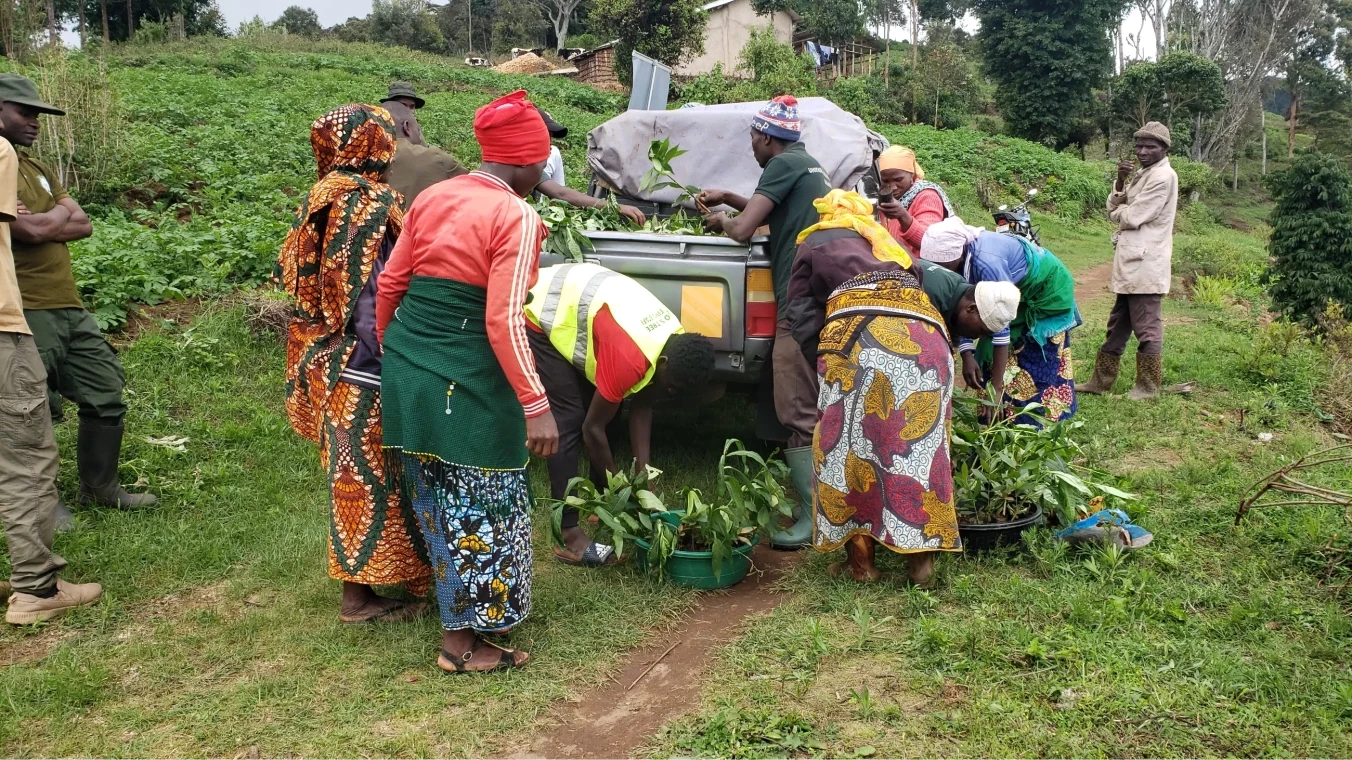

Tree planting projects have proven to be beneficial in improving the lives of indigenous communities in various ways. These initiatives not only contribute to environmental conservation but also have positive social, economic, and cultural impacts on indigenous populations. By focusing on the restoration and preservation of forests, these projects address multiple challenges faced by indigenous communities, including poverty, food security, climate change, and cultural preservation. This comprehensive approach helps to create sustainable livelihoods, enhance community resilience, and empower indigenous peoples.
Environmental Benefits
Forest Restoration: Tree planting projects play a crucial role in restoring degraded forests and promoting biodiversity conservation. Indigenous communities often rely on forests for their livelihoods, including hunting, gathering, and traditional practices. By restoring forests through tree planting initiatives, these communities regain access to vital resources and preserve their traditional way of life.
Climate Change Mitigation: Trees are natural carbon sinks that absorb carbon dioxide from the atmosphere during photosynthesis. By planting trees, indigenous communities contribute to mitigating climate change by reducing greenhouse gas emissions. Forest restoration also helps regulate local climates, reduce soil erosion, and improve water quality.
Ecosystem Services: Forests provide essential ecosystem services such as water purification, soil fertility maintenance, and pollination. Tree planting projects benefit indigenous communities by ensuring a sustainable supply of clean water for drinking and agriculture. Moreover, restored forests support agricultural productivity by improving soil health and providing shade for crops.
Social Benefits
Livelihood Diversification: Tree planting projects offer opportunities for indigenous communities to diversify their livelihoods beyond traditional activities. Through agroforestry techniques, communities can cultivate tree species that provide marketable products such as fruits, nuts, timber, or medicinal plants. This diversification enhances income generation and reduces dependence on vulnerable resources.
Food Security: Indigenous communities heavily rely on forest resources for food security. Deforestation and land degradation often threaten these resources, leading to food insecurity. Tree planting projects help restore forest ecosystems, ensuring the availability of wild edible plants, game, and fish. Additionally, agroforestry practices can improve agricultural productivity and provide a sustainable source of nutritious food.
Community Resilience: Indigenous communities are often disproportionately affected by climate change and natural disasters. Tree planting initiatives contribute to community resilience by creating natural barriers against extreme weather events, such as floods or landslides. Forest restoration also enhances water regulation and reduces vulnerability to droughts, improving the overall resilience of indigenous communities.
Cultural Benefits
Traditional Knowledge Preservation: Indigenous cultures are deeply intertwined with forests and their resources. By engaging in tree planting projects, indigenous communities can preserve their traditional knowledge related to tree species, forest management, and sustainable practices. This helps maintain cultural identity and strengthens intergenerational knowledge transfer.
Cultural Revitalization: Tree planting projects can serve as a platform for cultural revitalization and community cohesion. Indigenous communities often incorporate traditional rituals, ceremonies, and storytelling into tree planting activities, reinforcing cultural values and strengthening social bonds within the community. These initiatives foster a sense of pride in cultural heritage and promote cultural revival.
Sustainable Resource Management: Indigenous communities have long-standing relationships with their local ecosystems and possess unique knowledge about sustainable resource management. Through active participation in tree planting projects, indigenous peoples can contribute their expertise to ensure the long-term sustainability of restored forests. This involvement strengthens self-governance and decision-making processes within the community.
In conclusion, tree planting projects have far-reaching benefits for indigenous communities. These initiatives not only contribute to environmental conservation but also improve livelihoods, enhance resilience, and preserve cultural heritage. By recognizing the rights and knowledge of indigenous peoples in such projects, we can foster sustainable development that respects both nature and human well-being.
Commentaires (0)
Laissez un commentaire