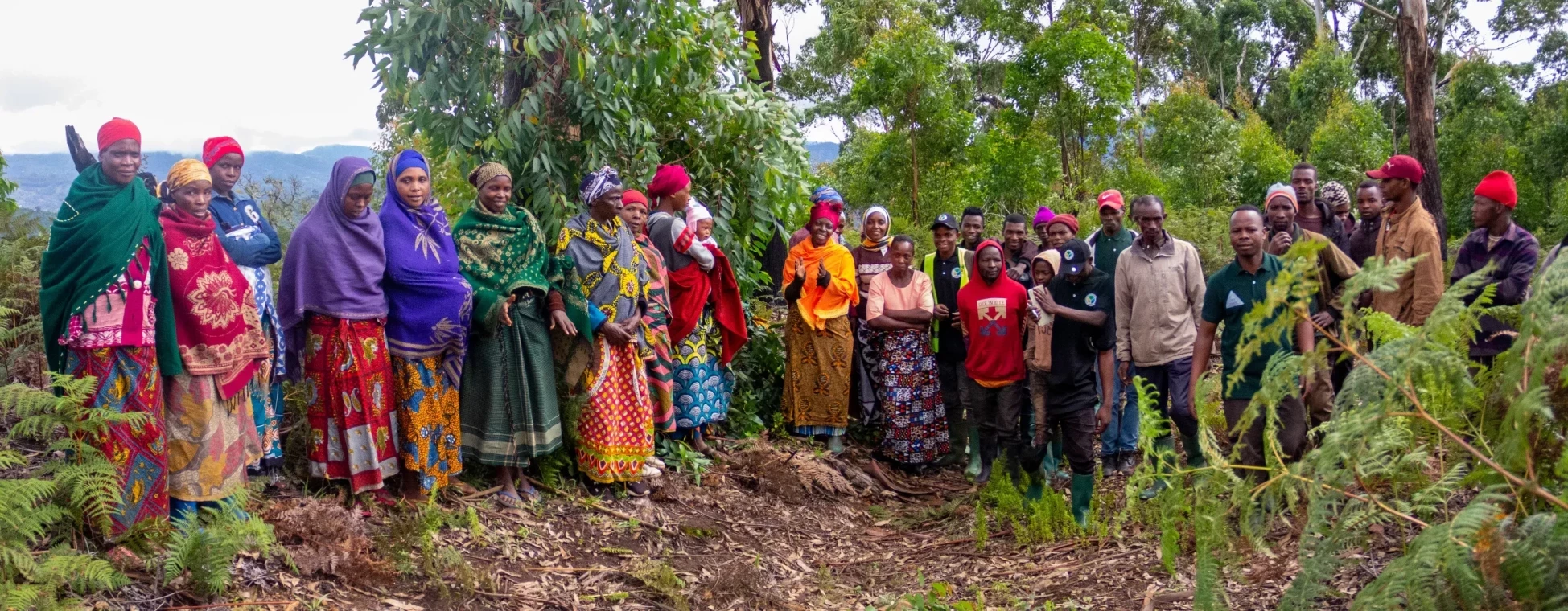

Relevance of active engagement of local community while implementing a Community Forest Restoration Project
1. Understanding Local Needs and Priorities
Engaging the local community in forest restoration projects is crucial for understanding their specific needs, priorities, and cultural values. Local communities often have a deep-rooted knowledge of the ecosystem and its historical context, which can inform restoration efforts. By actively involving them, project planners can tailor initiatives to address local concerns such as resource management, biodiversity conservation, and sustainable livelihoods. This ensures that the restoration efforts are relevant and beneficial to the community.
2. Building Trust and Ownership
Active engagement fosters trust between project implementers and the local community. When community members are involved in decision-making processes, they feel a sense of ownership over the project outcomes. This ownership is vital for long-term sustainability; when people feel responsible for their environment, they are more likely to invest time and resources into its care. Trust also facilitates better communication and collaboration among stakeholders, leading to more effective project implementation.
3. Enhancing Knowledge Transfer
Community engagement provides an opportunity for knowledge transfer between scientists or project managers and local residents. Workshops, training sessions, and participatory activities can help disseminate information about best practices in forest restoration while also allowing locals to share traditional ecological knowledge (TEK). This two-way exchange enriches the project by integrating scientific methods with indigenous practices that have been honed over generations.
4. Increasing Social Cohesion
Involving local communities in forest restoration can enhance social cohesion by bringing people together around a common goal. Collaborative activities such as tree planting days or educational workshops create opportunities for social interaction and strengthen community bonds. A united community is often more resilient against external pressures such as climate change or economic challenges, making it easier to sustain restoration efforts over time.
5. Improving Ecological Outcomes
Research has shown that projects with active community involvement tend to yield better ecological outcomes compared to those where communities are excluded from the process. Local knowledge about species selection, planting techniques, and land management practices can lead to more effective restoration strategies that align with ecological conditions unique to the area. Moreover, engaged communities are more likely to monitor and maintain restored areas effectively.
6. Securing Funding and Resources
Many funding agencies prioritize projects that demonstrate community engagement as part of their criteria for support. By actively involving local residents in planning and implementation phases, projects may become more attractive to potential funders who recognize the importance of social dimensions in environmental initiatives. Additionally, engaged communities may contribute their own resources—whether financial or labor—to support restoration efforts.
7. Promoting Sustainable Practices
Community engagement encourages sustainable practices by raising awareness about environmental issues among local populations. Through participation in forest restoration projects, individuals learn about conservation techniques that can be applied beyond the scope of the project itself—such as sustainable agriculture or responsible land use practices—which contribute positively to both local ecosystems and economies.
Commentaires (0)
Laissez un commentaire