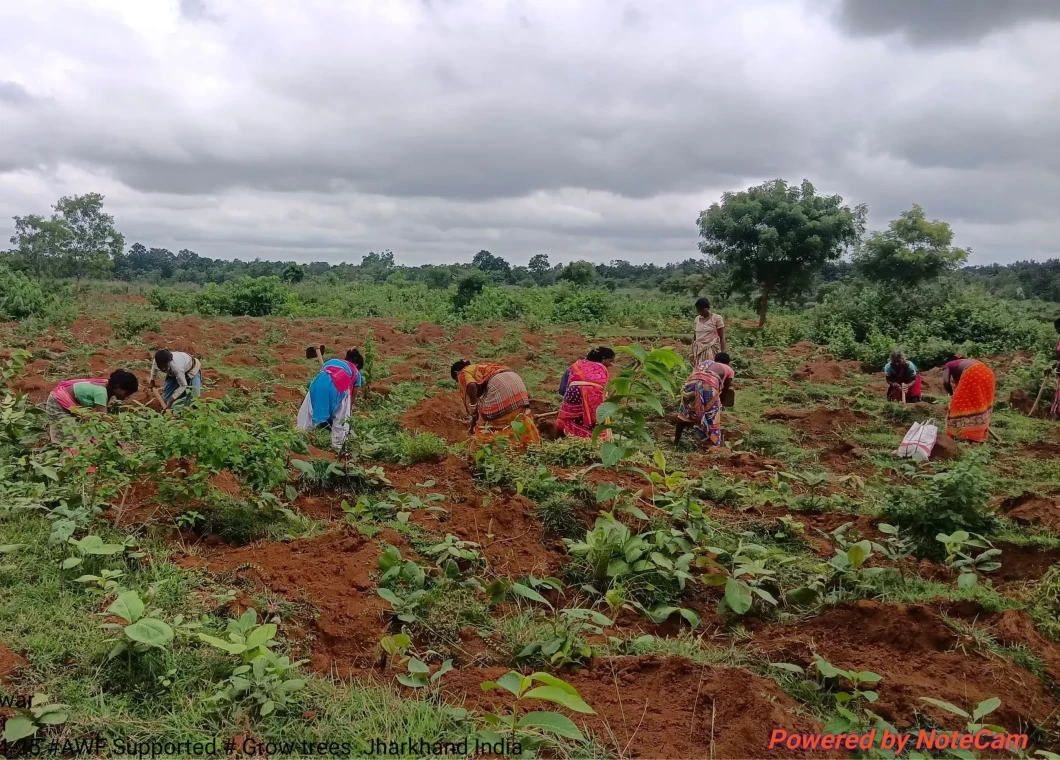

Tree planting projects are increasingly recognized not only for their environmental benefits but also for their potential to drive social change. One such initiative is the "Trees for Tigers" project in Odisha, which illustrates how integrating food security and gender equality into tree planting efforts can create a significant positive impact. By empowering women and planting a diverse range of species, this project is making strides toward a more sustainable and equitable future.
Empowering Women for Social Impact
In Odisha, the "Trees for Tigers" project has adopted a unique approach to encourage female participation in tree planting activities. By actively involving women in various stages of the project—from planning and planting to maintenance and monitoring—the initiative is fostering gender equality and empowering women economically and socially.
Economic Opportunities: Women participating in the project gain valuable skills in nursery management & planting trees. This not only provides them with additional sources of income but also enhances their economic independence. Training and employment opportunities related to tree planting contribute to improved livelihoods and financial stability for women in the region.
Social Empowerment: The project creates a platform for women to engage in leadership roles and decision-making processes. By including women in these roles, the project promotes gender equality and challenges traditional gender norms. This empowerment extends beyond the project, contributing to broader social change within communities.
Tree Planting for Long-Term Food Security
The "Trees for Tigers" project focuses on planting a variety of species that contribute to long-term food security. The chosen species are selected not only for their ecological benefits but also for their potential to provide essential food resources. Here’s how each species plays a role in enhancing food security:
1. Diospyros melanoxylon (Ebony Tree): While primarily known for its valuable wood, Diospyros melanoxylon also produces fruit that can be consumed. Its presence in the project helps diversify food sources and supports local diets.
2. Citrus limon (Lemon Tree): Lemon trees are a vital source of Vitamin C and other nutrients. Their fruits are used in cooking and food preservation, contributing to better nutrition and food security in local communities.
3. Annona squamosa (Sugar Apple): The Sugar Apple is a nutritious fruit that provides a rich source of vitamins and minerals. Its cultivation supports dietary diversity and offers a sustainable food source for the region.
4. Psidium guajava (Guava Tree): Guava trees are known for their high nutritional value, including Vitamin C and dietary fiber. By planting guava trees, the project enhances local food availability and provides a healthy fruit option.
5. Artocarpus heterophyllus (Jackfruit Tree): Jackfruit is a versatile fruit that can be consumed in various forms, from fresh to dried. It is rich in nutrients and can be a key component of local diets, supporting food security.
Integrating Social and Environmental Goals
By combining efforts to promote gender equality with initiatives aimed at improving food security, the "Trees for Tigers" project exemplifies how tree planting can address multiple social challenges. The project not only contributes to environmental conservation but also creates sustainable economic opportunities and supports community well-being.
Commentaires (0)
Laissez un commentaire