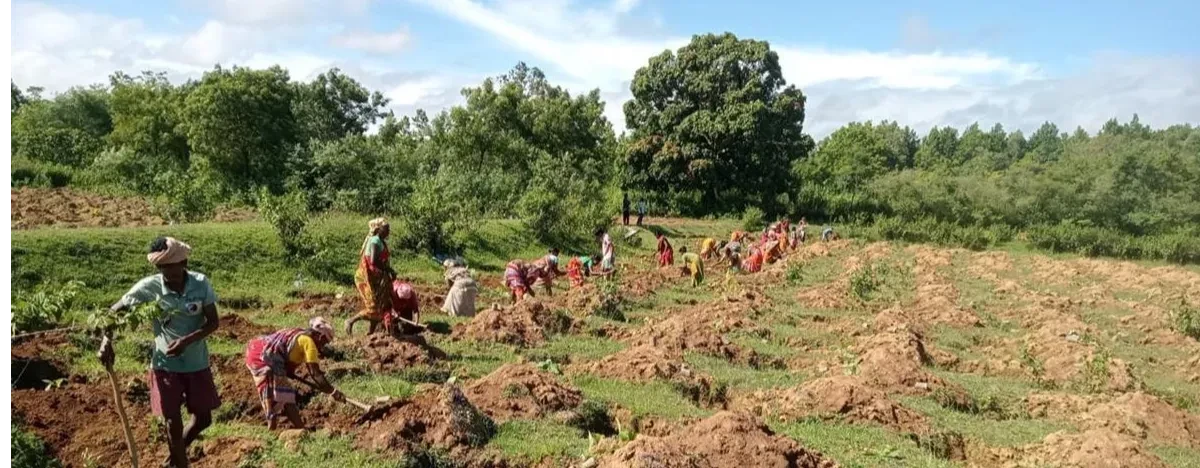

Odisha, a state rich in cultural heritage and biodiversity, is home to several indigenous tribes who have lived in harmony with nature for centuries. These communities, including the Santhal, Munda, Juang, Dongria Kondh, and Bonda tribes, have deep-rooted knowledge of forest ecosystems and sustainable practices. Recognizing their role in environmental conservation, various initiatives have been undertaken to engage these communities in large-scale tree plantation and forest restoration efforts.
The Role of Indigenous Tribes in Forest Conservation
The indigenous tribes of Odisha have traditionally depended on forests for their livelihood, sourcing food, medicine, and materials for daily use. Their deep connection with nature has led to the development of eco-friendly agricultural practices and traditional methods of forest conservation, such as seed preservation, natural irrigation, and rotational shifting cultivation.
With increasing deforestation and climate change threats, these communities have now become key stakeholders in tree plantation and restoration programs. By integrating their traditional ecological knowledge with modern afforestation techniques, these initiatives ensure that restoration efforts are both effective and sustainable.
Tree Plantation Initiatives and Their Impact
Several government and non-government organizations, including Grow-Trees, have initiated tree plantation projects in Odisha, collaborating with tribal communities. These projects focus on:
- Enhancing Biodiversity: Planting native species to restore degraded forest areas and promote ecological balance.
- Livelihood Generation: Providing employment opportunities in nursery development, plantation activities, and forest management.
- Soil and Water Conservation: Strengthening watershed areas through tree planting, which prevents soil erosion and enhances groundwater recharge.
- Carbon Sequestration: Contributing to climate change mitigation by absorbing atmospheric carbon dioxide.
Tribal self-help groups and village councils actively participate in these projects by identifying suitable lands, selecting appropriate tree species, and ensuring post-plantation care. Women from these communities, in particular, play a significant role in nurturing saplings, maintaining nurseries, and monitoring tree growth.
Challenges and the Way Forward
While these initiatives have shown promising results, challenges such as land rights issues, lack of infrastructure, and climate variability persist. Strengthening policy support, providing financial incentives, and enhancing technical training for tribal communities can further scale up restoration efforts.
By empowering indigenous tribes as custodians of forests, Odisha’s tree plantation initiatives not only contribute to environmental sustainability but also ensure socio-economic development, preserving the cultural and ecological heritage of these vibrant communities. Continued collaboration between organizations, government bodies, and local communities will be crucial in making these initiatives more impactful and long-lasting.
Commentaires (0)
Laissez un commentaire