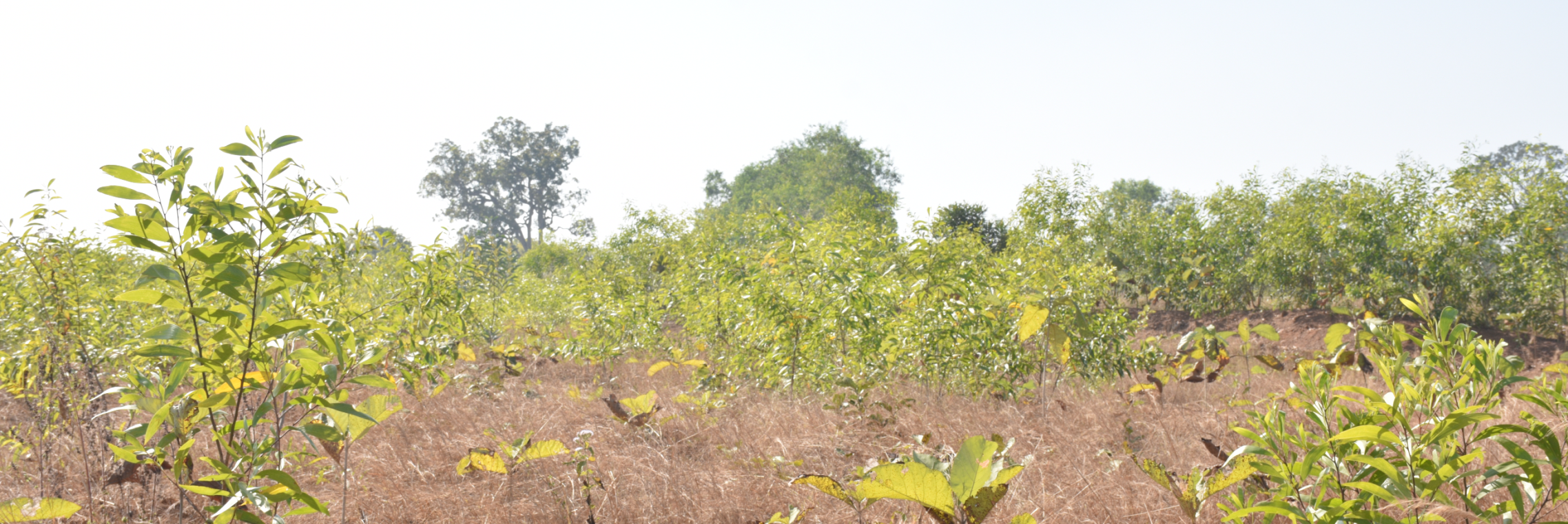

Deep within the forests of Odisha lives one of nature's rarest wonders, the elusive black tiger. Found only in and around the Similipal landscape, these remarkable animals have fascinated wildlife enthusiasts and scientists alike. Yet their future depends on something far less mysterious: healthy, connected forests.
A tiger's world extends far beyond the place where it is born. As young tigers grow, they must venture out in search of new territories, moving through forests, grasslands, and natural corridors. When these landscapes become fragmented, wildlife is left navigating isolated patches of habitat. The result is increased conflict, reduced genetic diversity, and growing pressure on already vulnerable populations. This is where restoration becomes more than simply planting trees. It becomes an investment in the future of an entire ecosystem.
In the areas surrounding the Similipal landscape, efforts are underway to strengthen green cover and reconnect degraded habitats. As forests recover, they create safer spaces not only for tigers but also for countless other species that share the same environment. Birds, herbivores, pollinators, and small mammals all benefit from healthier and more resilient forests.
But this story is not only about wildlife.
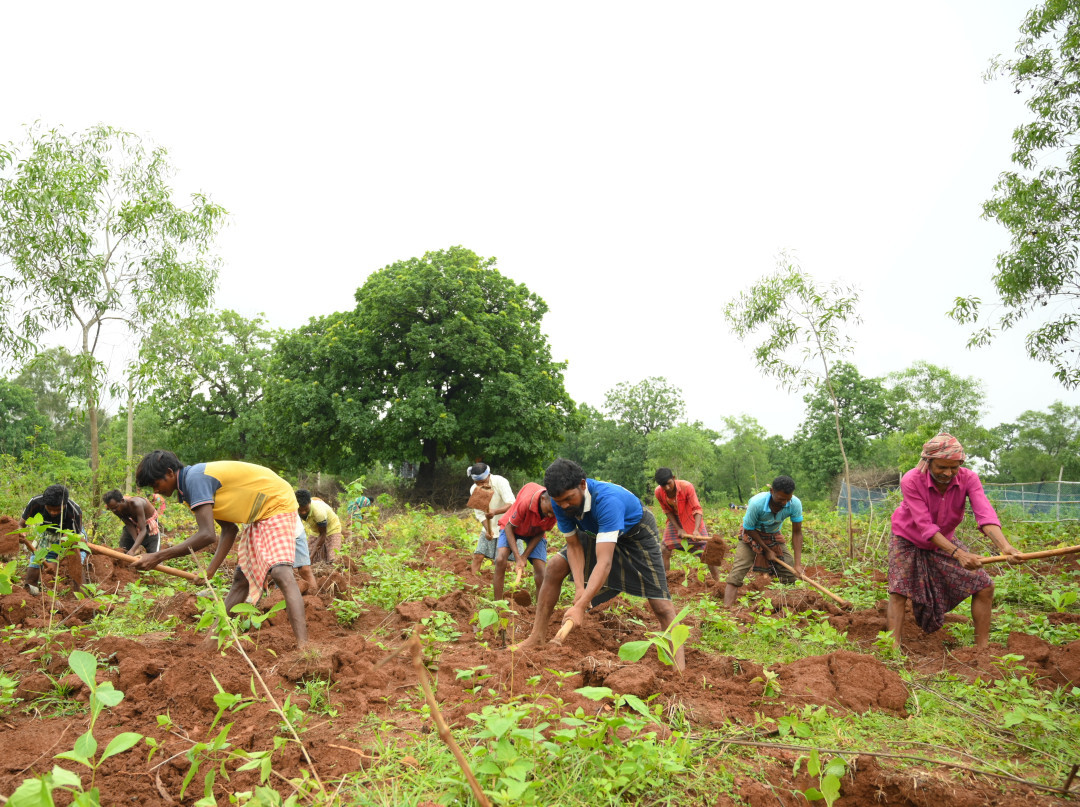
The communities living around these forests are closely connected to the health of the landscape. Many families depend on agriculture and natural resources for their livelihoods. Through plantation activities, local residents are actively involved in restoring degraded land, creating employment opportunities while contributing to environmental recovery. The initiative demonstrates that conservation and community development can move forward together, creating benefits for both people and nature.
As the trees mature, they will help stabilize soils, improve water retention, support biodiversity, and strengthen the region's resilience to climate change. Over time, these restored forests can help wildlife move more freely across the landscape while reducing pressure on existing habitats.
The black tiger may be the symbol of this effort, but the impact reaches far beyond a single animal. Every restored patch of forest contributes to a larger vision, one where thriving ecosystem support thriving communities, and where the future of a rare predator is secured through the recovery of the landscapes it calls home.
Because when we protect forests for tigers, we create a future for countless other species and for the people who depend on those forests every day.
Commentaires (0)
Laissez un commentaire