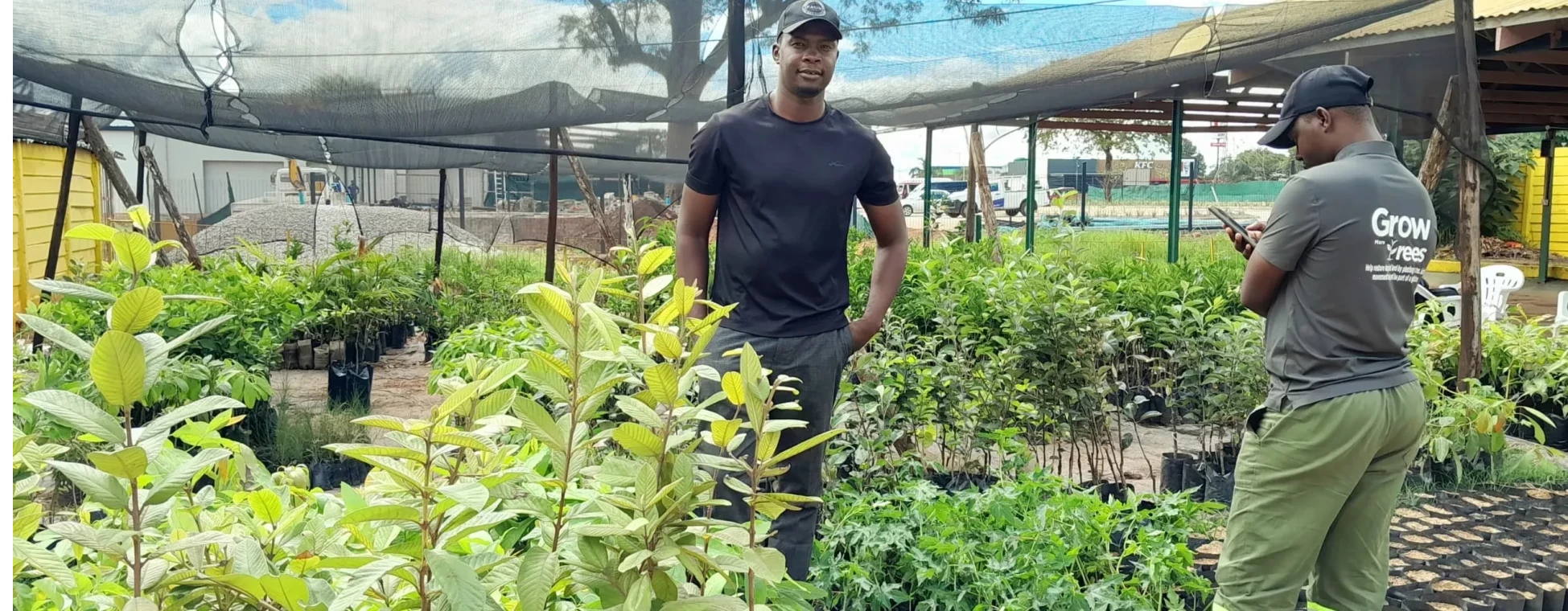

Reforestation and afforestation are crucial for restoring ecosystems, combating climate change, and ensuring biodiversity. However, the success of these initiatives depends on the selection of high-quality trees suited to their environment. Quality trees contribute to stronger, healthier forests that endure environmental challenges. Native species, for example, thrive in their respective habitats and support local wildlife, creating balanced ecosystems. Trees with strong root systems help prevent soil erosion and improve water retention, stabilizing landscapes. Additionally, choosing species that absorb high amounts of carbon dioxide enhances climate mitigation efforts.
Fast-growing, disease-resistant trees ensure sustainability and maximize long-term benefits. Poor-quality trees, on the other hand, may struggle to survive, leading to weak forests with low ecological value. Moreover, monoculture plantations can reduce biodiversity and disrupt soil health. Community involvement in tree selection is key to successful reforestation and afforestation. Educating people—especially young generations—about choosing resilient species strengthens conservation efforts. Governments and environmental organizations must also prioritize quality over quantity, ensuring well-planned, ecologically sound tree planting initiatives. By focusing on high-quality trees, we create forests that flourish for generations, contributing to a greener, healthier planet. The right trees, in the right places, make all the difference.
Commentaires (0)
Laissez un commentaire