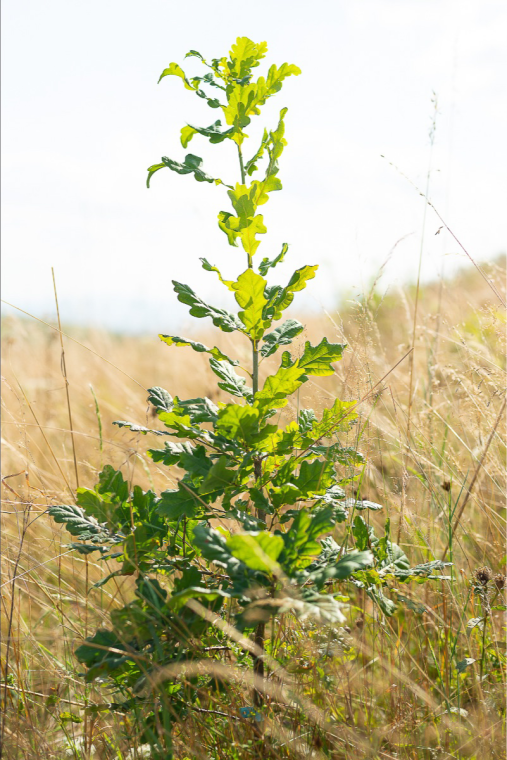

The tree seedlings planted in our projects are forced to face three types of creatures endangering their existence:
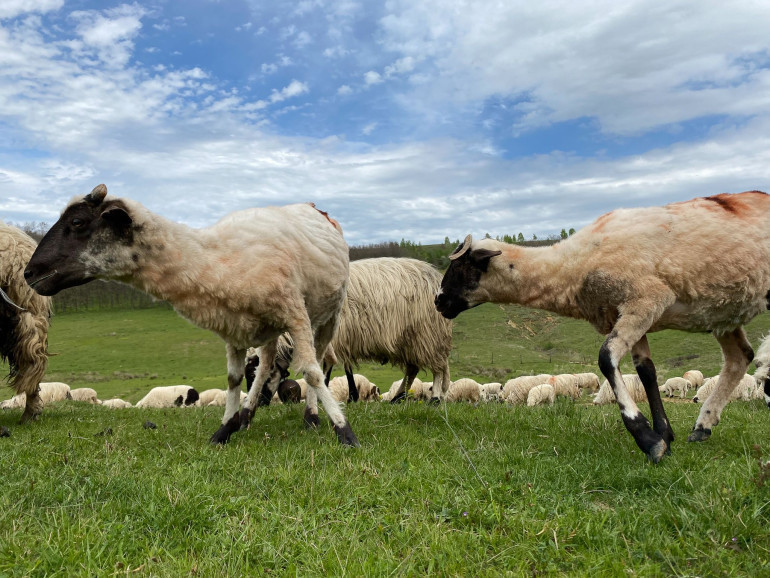
1. The occasional presence of domestic herbivores – flocks of sheep in autumn and spring.
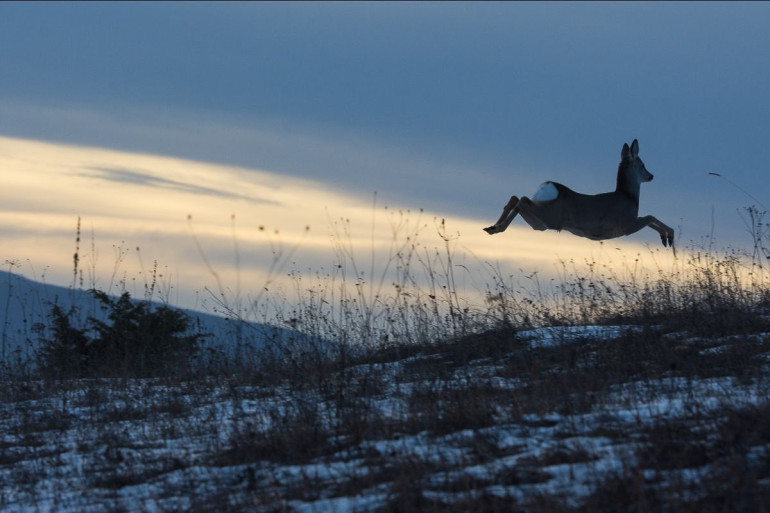
2. The presence of wild herbivores – roe deer and red deer.
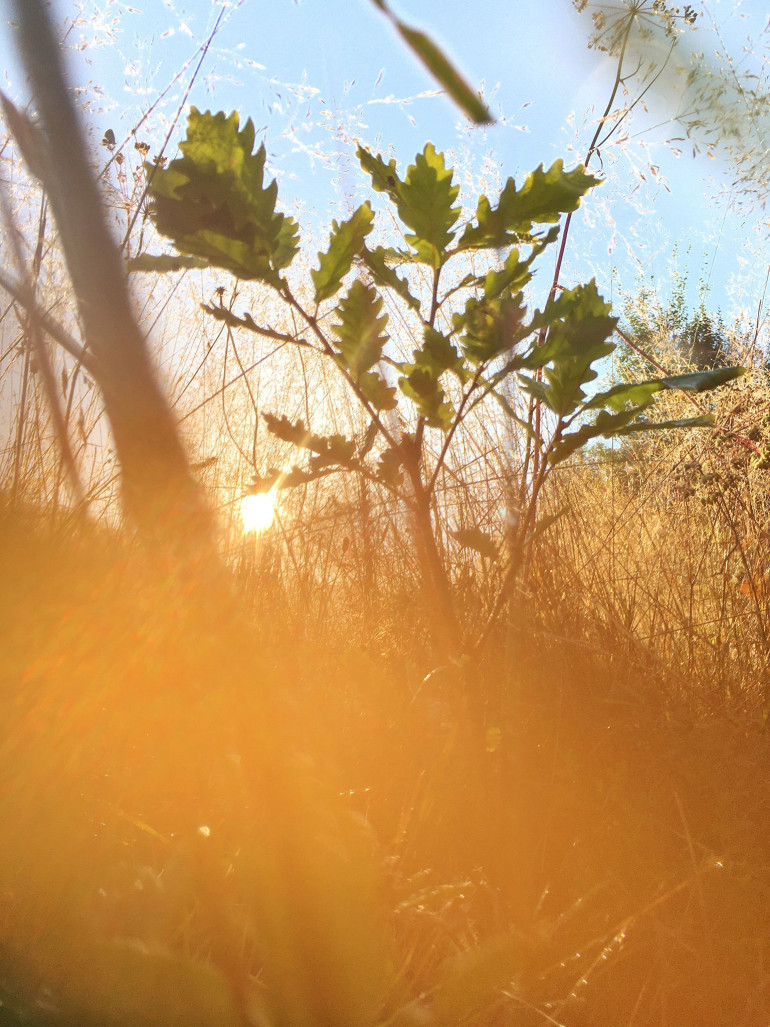
3. The competing herbaceous vegetation and shrubs.
In the last few years, we have tried different methods to protect the seedlings and maximize their survival rate. We have figured out by now what we need.
One unquestionably elegant solution is using biodegradable plastic tubes and stakes. The tubes act as small vertical greenhouses, creating optimum conditions for trees to grow into straight specimens.
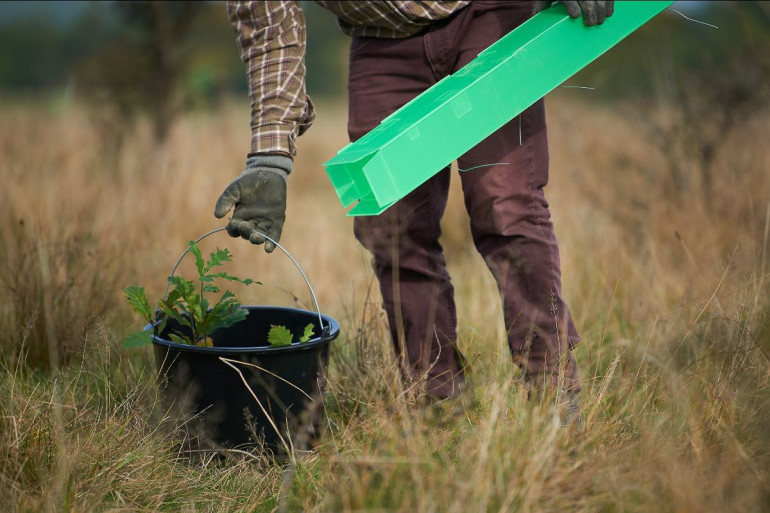
However, our goal is not to grow straight trees; rather, we aim to create forests as close to natural as possible, providing a good habitat for a large number of animal and plant species and sequestering large quantities of atmospheric carbon.
While the tubes do protect the seedlings from deer, they are ineffective against cows and flocks of sheep, and they are also expensive. As a result, we no longer use them.
The functional solutions we have found are:
a) Fencing off the planting sites where the danger of grazing by domestic animals (especially sheep and goats) is real – oak seedlings planted near villages face this danger.
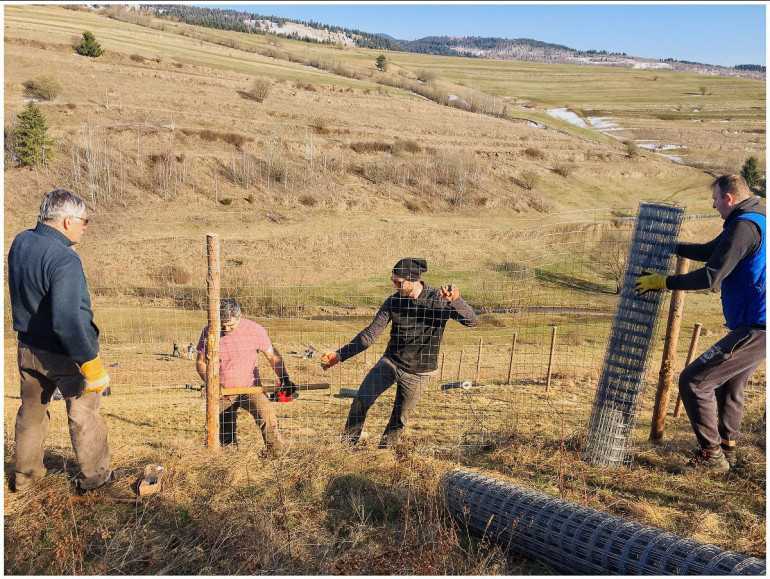
The fence keeps all domestic and wild herbivores away, allowing the tree seedlings and the natural vegetation around them to grow freely. The lack of disturbance from domestic animals, people, and their dogs creates islands of wilderness where small and large animals find their place.
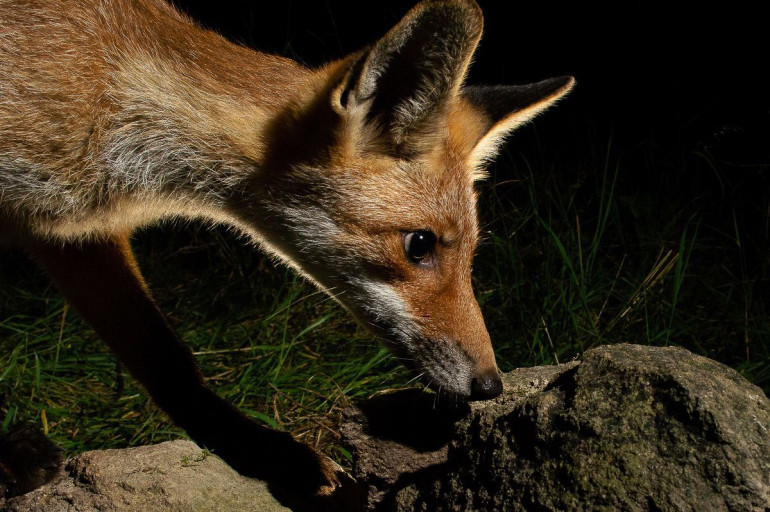
For example, the fox photographed below was captured by a camera trap in one of our oak planting sites near Sandominic-Csíkszentdomokos village.
https://maps.app.goo.gl/DztzWxdhjbokBho48
Unfortunately, the fences create artificial barriers for ( some ) larger wild animals, so they will only remain temporarily, for approximately 10 years.
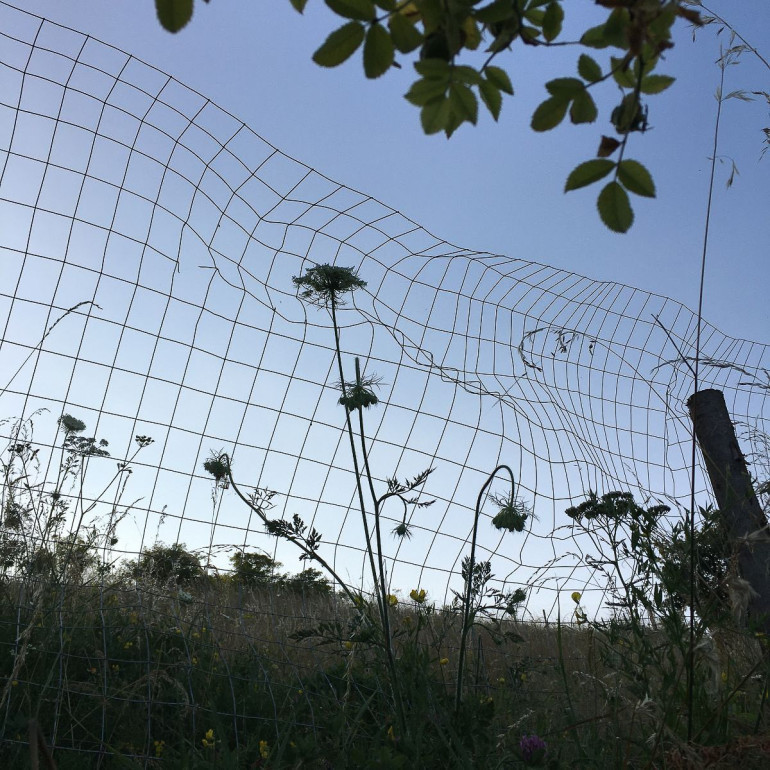
Not all animals find it difficult to cross fenced areas. This is a place where a bear has climbed in. 😊
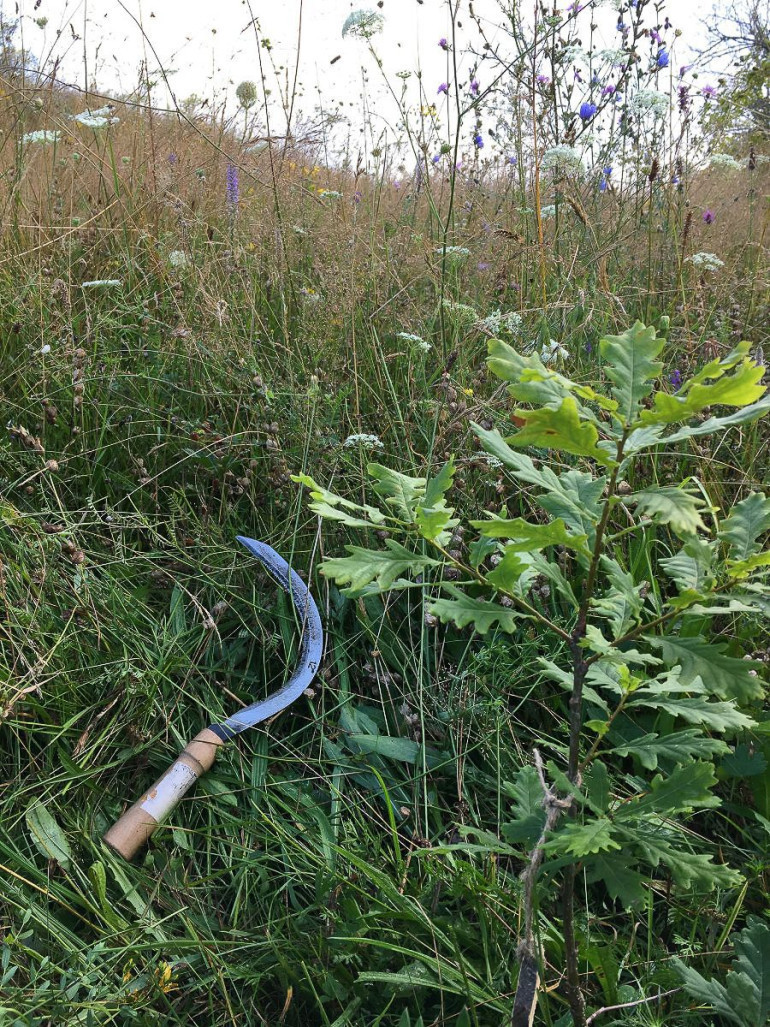
b) Removing the competing vegetation around the seedlings at the end of the vegetation season (around September). The grasses and shrubs growing around the planted tree seedlings compete for light, water, and nutrients. If they grow taller than the seedlings, which they usually do, they provide shade on the hottest summer days – protecting the saplings from dehydration. However, there is a danger that the surrounding vegetation will crush the saplings when it dies back in the autumn. This is the main reason why we cut them.
Commenti (0)
Lascia un commento