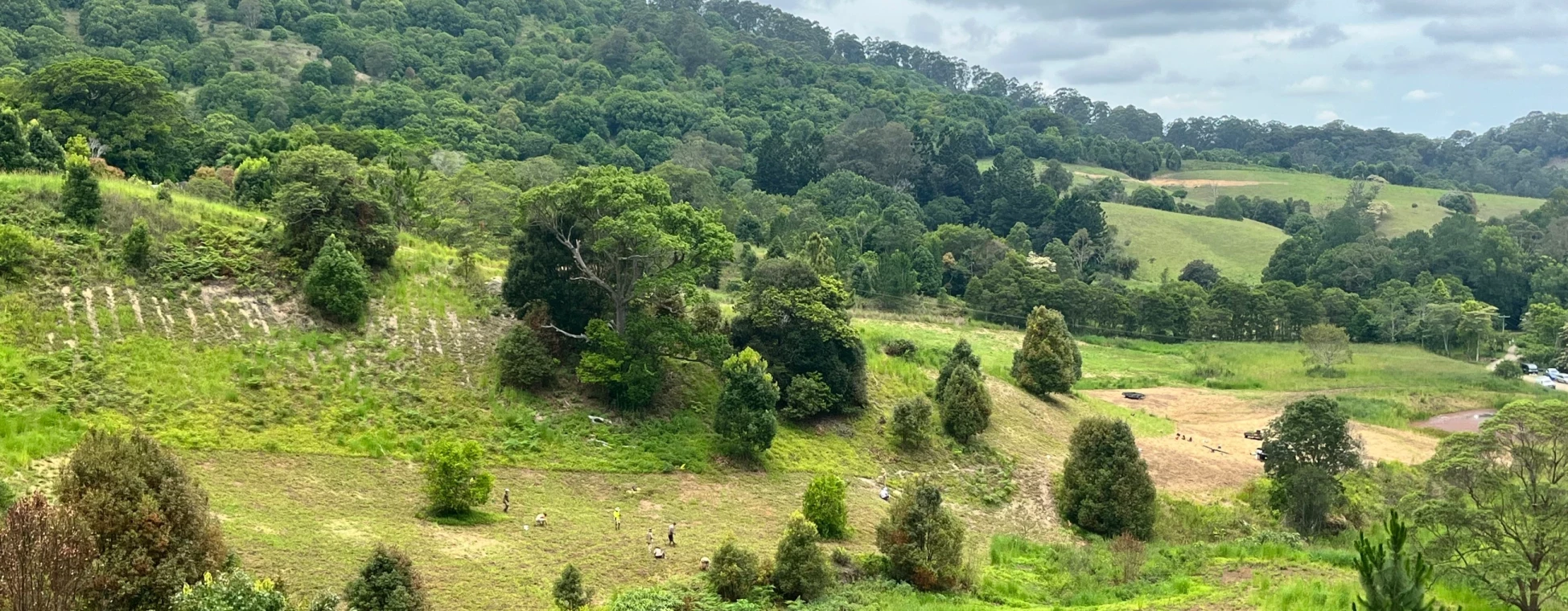

Subtropical reforestation is vital for combating climate change, restoring ecosystems, and preserving biodiversity. Achieving these objectives requires careful attention to a number of fundamental elements. Two key considerations are biodiversity and stem density.
Biodiversity, the variety of life within an ecosystem, is crucial for the health and resilience of forests. Diverse forests are better equipped to withstand pests, diseases, and the impacts of climate change. They also support a broader range of species, maintaining ecological balance. Effective reforestation strategies should include a mix of native tree species that reflect the natural composition of the local ecosystem. This approach fosters ecological complexity and enhances the forest's adaptability to environmental changes.
Stem density, the number of trees planted in a given area, plays a significant role in reforestation success. While densely planted areas may initially sequester more carbon, excessive competition for resources can lead to slower growth rates, higher tree mortality, and diminished forest health over time. Conversely, lower stem densities encourage the development of healthier, more robust trees with greater long-term survival and carbon storage capacity. Striking the right balance in stem density ensures both rapid growth and sustainable forest development.
In summary, successful subtropical reforestation depends on integrating biodiversity and optimizing stem density. By prioritizing diverse native species and maintaining sustainable planting densities, we can establish resilient, thriving forests that contribute meaningfully to environmental restoration and a healthier planet.
Commenti (0)
Lascia un commento