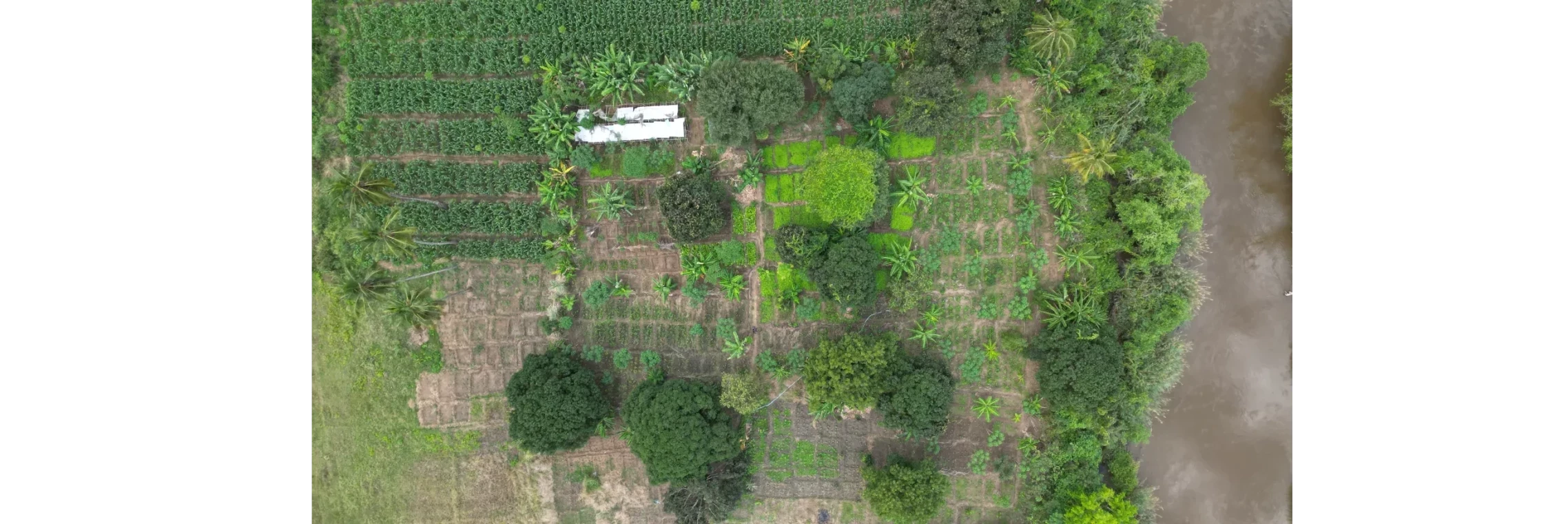

The Plant to Poverty project focuses on planting trees in a way that restores land and supports farming families. One of the most effective methods is the forest garden approach.
What is a Forest Garden?
A forest garden is a piece of land where different crops and trees grow together in layers, much like a natural forest. Fruit trees, timber trees, vegetables, legumes, and medicinal plants share the same space. Each plant plays a role some provide food, others improve soil fertility, while tall trees create shade and reduce heat. This mix allows farmers to harvest different products throughout the year instead of depending on a single crop.
Why It Matters
The forest garden model addresses two main challenges:
• Land restoration: Planting a variety of trees improves soil structure, prevents erosion, supports pollinators, and captures carbon.
• Income and food security: Families gain diverse food sources and can sell surplus harvests such as fruits, beans, cassava, or spices leading to steady earnings.
From Single Crop to Abundance
In areas where forest gardens are being established, the change is clear. A field that once produced only maize can now carry papaya, cassava, beans, passion fruit, and shade trees all on the same land. Farmers benefit from a stronger diet at home and new market opportunities.
Plant to Stop Poverty’s Contribution With every tree planted, the Plant to Stop Poverty project is creating farming systems that restore land and strengthen local economies. A forest garden is more than a cluster of trees it is a practical way for families to grow food, earn income, and manage land sustainably.
Commenti (1)
Lascia un commento