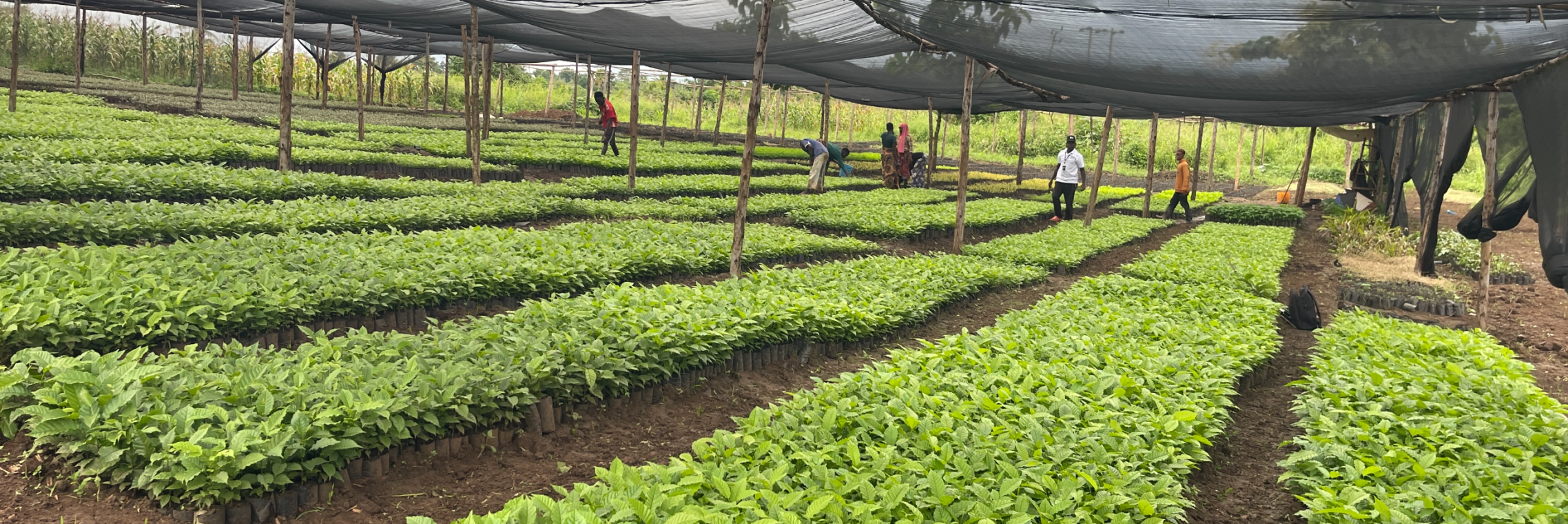

Forest restoration involves more than planting trees. Behind every restoration effort are people whose knowledge, decisions and daily activities influence the long-term success of restored landscapes. From nursery workers raising seedlings to farmers protecting trees, local communities play an important role in rebuilding ecosystems.
Beyond planting trees
Restoration begins with seed collection, nursery management, species selection and site preparation. After planting, trees require protection and monitoring to improve their chances of survival. Local communities contribute practical knowledge and help address challenges such as drought, grazing and fires.
Why Community Participation Matters
People living near restoration sites often understand local environmental conditions, land-use practices and community needs. Including their knowledge in planning can improve decisions and help identify potential challenges. Meaningful participation also means listening to community concerns and involving people in decisions that affect their land and livelihoods.
Connecting Restoration with Livelihoods
Restoration takes place in communities where people need food, income and access to natural resources. Nursery management can create employment opportunities, while agroforestry can help farmers combine suitable trees with agricultural production. Trees may also provide fruit and other useful products, depending on the species and local conditions. However, these benefits depend on appropriate planning, resources, land access and market opportunities.
Sustaining Progress Beyond Planting
Restoration continues long after planting teams leave. Young trees may need protection, and sites require monitoring to assess survival and identify emerging challenges. Continued engagement with communities can support long-term site management, although participation alone cannot guarantee success. Suitable species, ecological conditions and adequate resources remain essential.
Measuring Progress Beyond Tree Numbers
The number of trees planted is important, but it does not tell the whole story. Survival rates, biodiversity monitoring and community engagement provide a broader understanding of restoration progress. Combining ecological and social indicators helps organisations assess outcomes and identify areas requiring additional support.
Restoring Landscapes, Supporting People
Successful forest restoration requires attention to both ecosystems and the people who help care for them. recognizing communities as partners means valuing their knowledge, considering their priorities and monitoring how restoration affects local livelihoods. By combining ecological objectives with meaningful participation, restoration initiatives can become more inclusive, practical and sustainable over time.
Commenti (0)
Lascia un commento