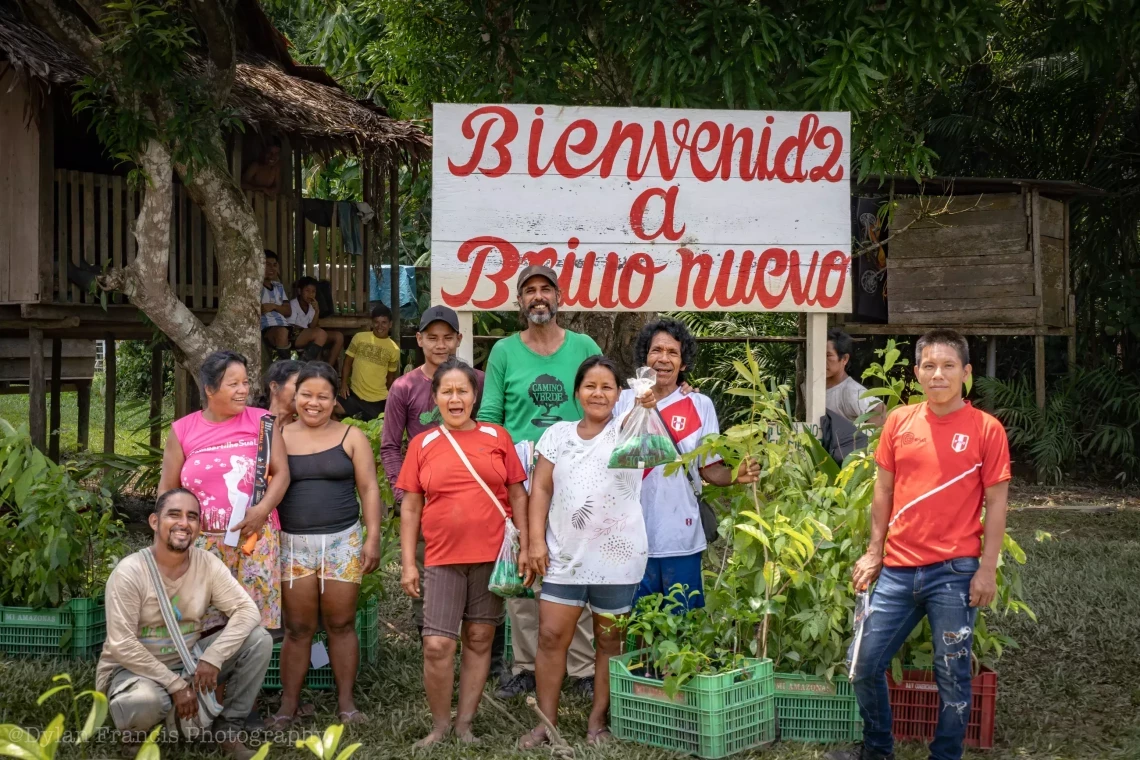

Regenerating the Amazon involves more than just tree planting, which is why our mission is to restore the forest landscapes of the Amazon by strengthening forest communities, partnering with Amazonian farmers and native communities to regenerate forests and improve livelihoods.
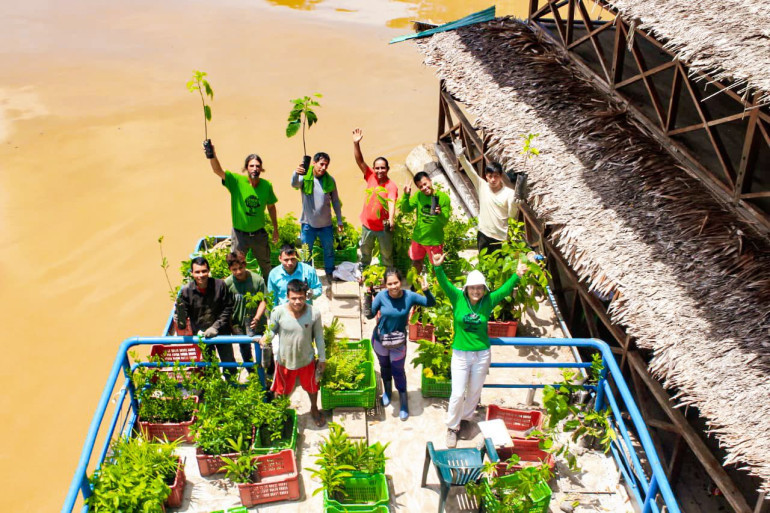
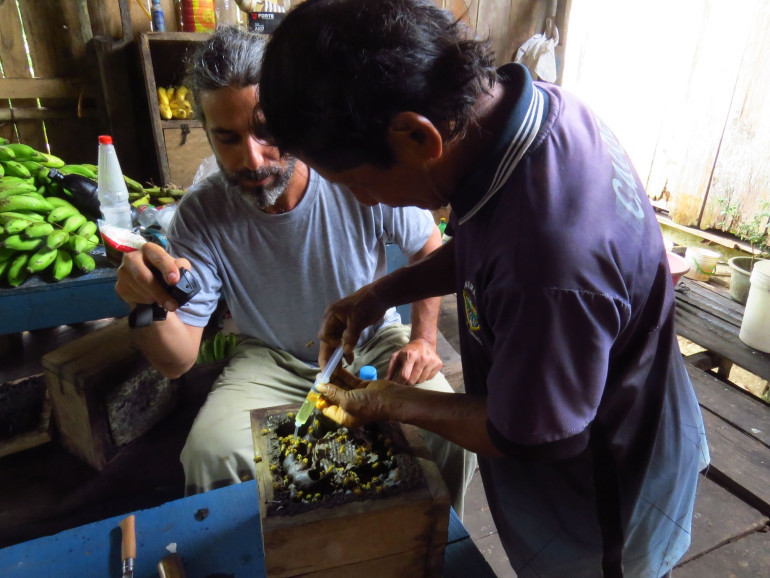
In the northern Amazonian region of Loreto, Peru, we work with more than 140 families in 8 native communities located in the area of influence of the important Yaguas National Park and the Maijuna-Kichwa and Ampiyacu-Apayacu Regional Conservation Areas. Our program aims to diversify livelihoods and improve the incomes of Amazonian indigenous communities through regenerative agroforestry. We will use native and endangered species, such as Palo Rosa (Aniba rosaeodora), and meliponiculture to produce honey from native bees. In this way, we will reduce the pressure on natural forests and their resources.
Highlights of the program for 2024:
Landscape Restoration: More than 11,000 trees have been planted in 2024 in agroforestry plots managed by 140 families from 8 native communities, most with systems already established from previous years. These plots will include native and endangered species, contributing to the recovery of the local ecosystem.
Community Nursery: We will establish a community nursery in the Boras de Pucaurquillo community. This nursery will be managed primarily by indigenous women, who will receive training and employment opportunities through paid internships.
Sustainable Production: We will implement the harvesting and sale of Palo Rosa biomass in the plots of participating families, generating additional income and promoting sustainable practices.
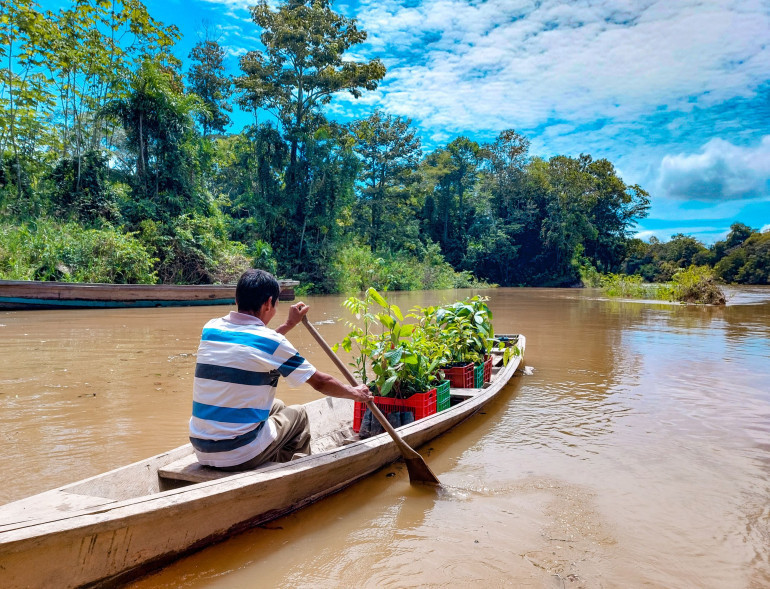
Education and Training: We will promote the exchange of knowledge between communities and farmers through internships, workshops, and partnerships with educational institutions. We will form alliances with the agricultural technology institute in the Ampiyacu basin and the Amazonian University of Peru to strengthen their programs and provide opportunities for students.
Commenti (1)
Lascia un commento