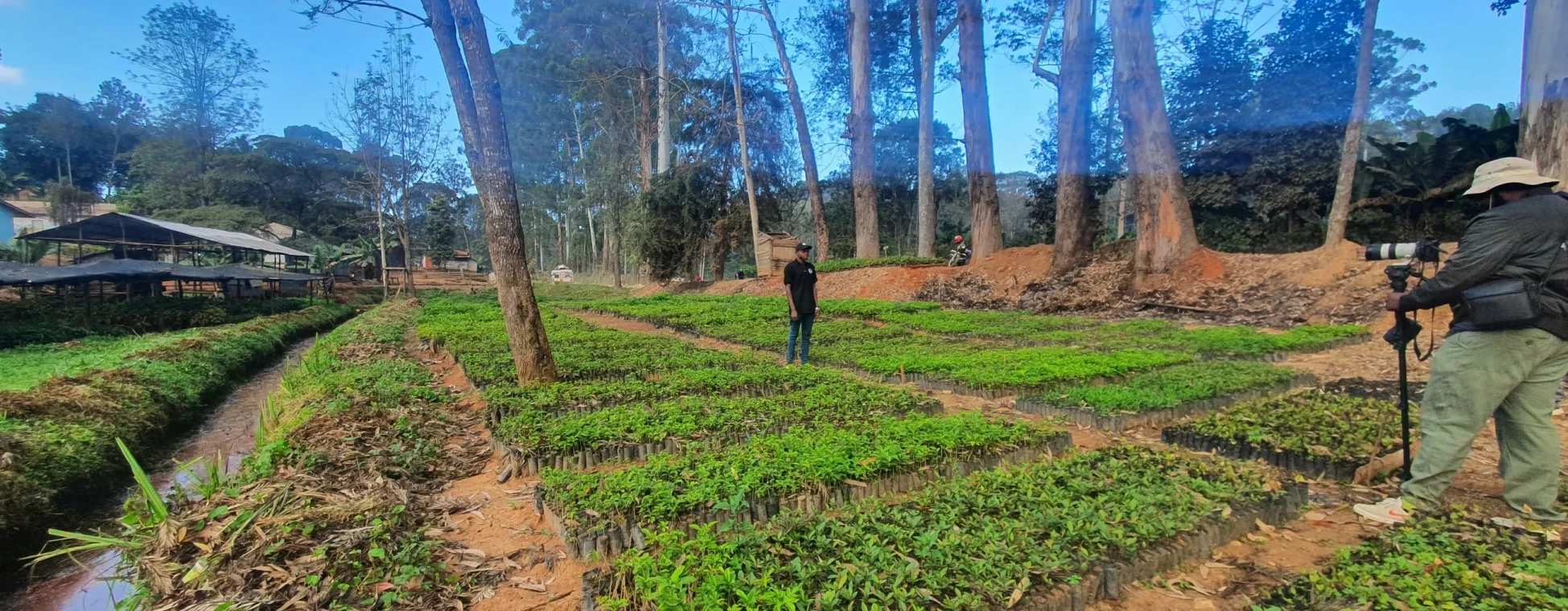

Climate change refers to significant changes in global temperatures and weather patterns over time. While climate change is a natural phenomenon, scientific evidence indicates that human activities, particularly the burning of fossil fuels, deforestation, and industrial processes, have accelerated this process. The increase in greenhouse gases (GHGs) such as carbon dioxide (CO2) and methane (CH4) in the atmosphere leads to global warming, resulting in severe environmental impacts including rising sea levels, extreme weather events, and loss of biodiversity.
The Importance of Trees
Trees play a crucial role in combating climate change through several mechanisms:
- Carbon Sequestration: Trees absorb CO2 from the atmosphere during photosynthesis. This process not only helps reduce the concentration of GHGs but also stores carbon in their biomass (trunks, branches, leaves) and soil. A mature tree can absorb approximately 48 pounds of CO2 per year.
- Oxygen Production: In addition to absorbing CO2, trees release oxygen as a byproduct of photosynthesis, which is essential for life on Earth.
- Cooling Effect: Trees provide shade and release moisture into the air through transpiration, which can help lower local temperatures. This cooling effect can mitigate heatwaves and reduce energy consumption for air conditioning.
- Biodiversity Support: Forests are home to a vast array of species. By planting trees, we support ecosystems that contribute to ecological balance and resilience against climate change impacts.
- Soil Health Improvement: Tree roots help prevent soil erosion and improve soil structure by enhancing its ability to retain water and nutrients. Healthy soils are vital for agriculture and can further sequester carbon.
- Community Benefits: Urban areas with more trees experience improved air quality, reduced urban heat islands, enhanced mental health for residents, and increased property values.
Challenges and Considerations
While planting trees is an effective strategy for mitigating climate change, it must be done thoughtfully:
- Species Selection: Choosing native species that are well-adapted to local conditions ensures better survival rates and ecological benefits.
- Land Use Conflicts: Planting trees should not come at the expense of agricultural land or critical habitats.
- Long-Term Commitment: Successful tree planting requires ongoing care and management to ensure growth and sustainability.
Commenti (0)
Lascia un commento