
Written by Maimouna Cisse and Lindsay Cobb
I went from being a marginalized person to a successful person who shares her profits.”
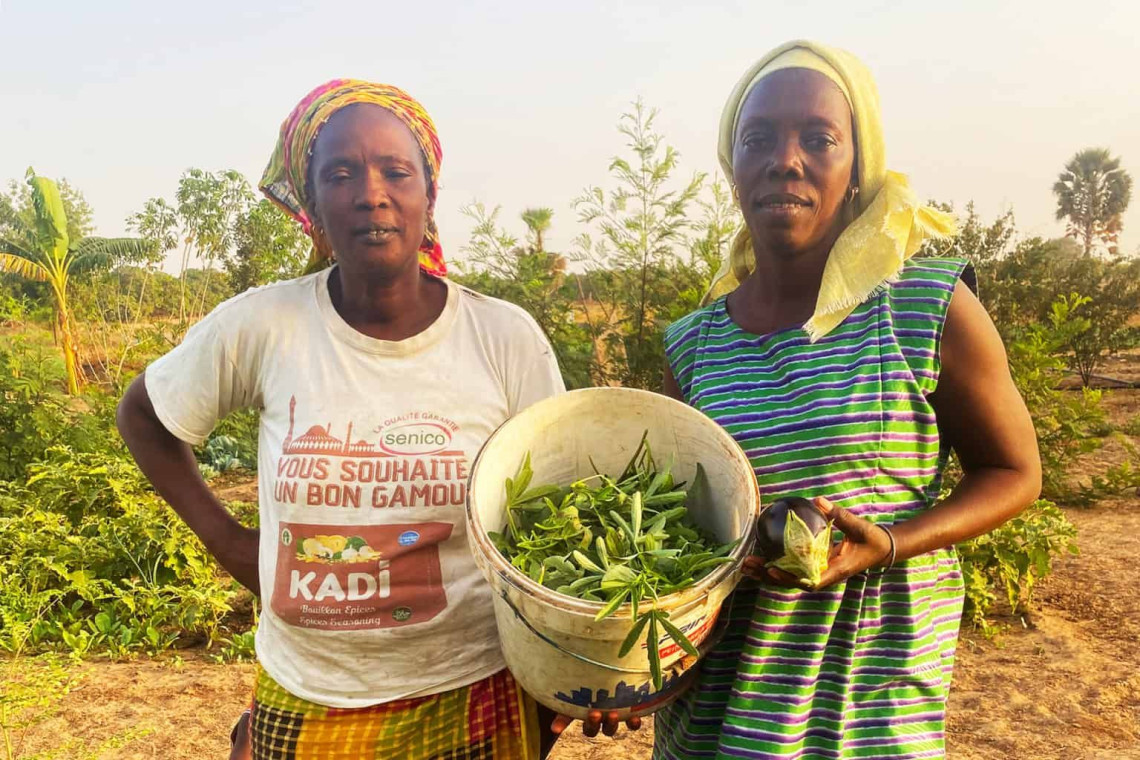
Jeanne d’Arc Sambou is a 45-year-old farmer and mother of four from Fatick, Senegal. She joined Trees for the Future’s Forest Garden program in 2020. Local staff taught her how to protect and diversify her land using agroforestry and a technique called the Forest Garden Approach.
“TREES has raised me socially and economically,” she says. “My husband, children and I have depended for two years on the earnings from my Forest Garden.”
Before joining the program, Sambou says her life was chaos. And she isn’t alone. Farmers across Africa live in some of the most challenging farming regions of the world. They face exceptionally difficult growing conditions, economic instability, or both.
Where there were once rich, fertile landscapes, countries now see deserts expanding and biodiversity disappearing. But Lellou and her team at TREES are proving that farmers can reverse the damage and bring their land back to life.
“We’re dedicated to breaking the cycles of hunger and poverty in farming communities while restoring landscapes and ecosystems,” says TREES Director of Programs Brandy Lellou. “We work accross sub-Saharan Africa because of the need for sustainable solutions in these countries and to show the world how effective agroforestry techniques and the Forest Garden Approach are, even in the most challenging conditions.”
Sambou has seen it firsthand. She chose a one-acre piece of her land to establish her Forest Garden. When she started, there were four food crops and zero trees. Today, she has 14 food crops and 15 marketable crops growing throughout the year. At last count, she had 2,494 trees growing in her Forest Garden.
“I come to my Forest Garden early and leave late, because when life gives you a second chance, you seize it,” she says.
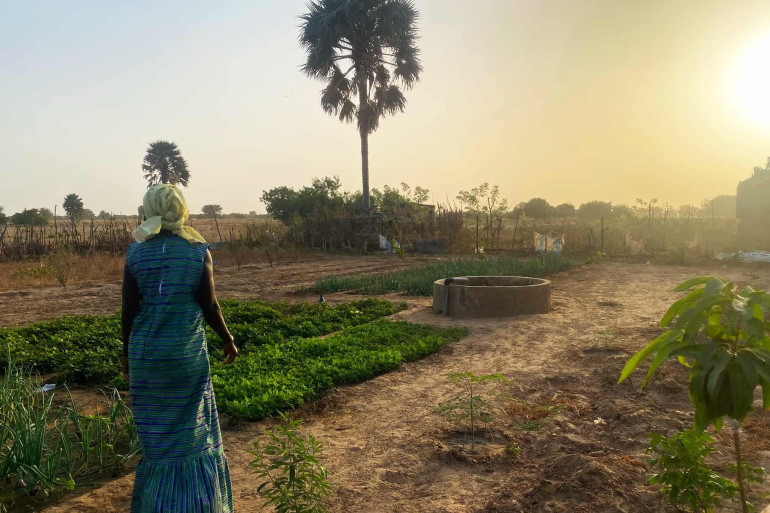
TREES hires and trains local staff and operations are managed by in-country leadership. TREES does not pay farmers or purchase land. Farmers choose a portion of their own land to grow their Forest Gardens and they receive seeds, tools, and training funded by donor support.
Sambou has had experience with shortsighted efforts before. She was part of an agricultural project where farmers had to contribute $10 USD to register.
“I made two investments in this system and got no benefit,” she recalls. “That’s why I was not too sure to participate in the Trees project because I thought I would still be paying. And I was amazed to learn that it is free.”
Sambou earned $286 USD from her most recent harvest. Thanks to the regular income from her garden, she pays for her four children’s schooling, manages her small family’s finances, and has enrolled her entire family in a healthcare plan. She also has plans to set up a poultry house and to buy solar panels. Her ultimate goal is to become the main supplier of produce to hotels and restaurants in the area.
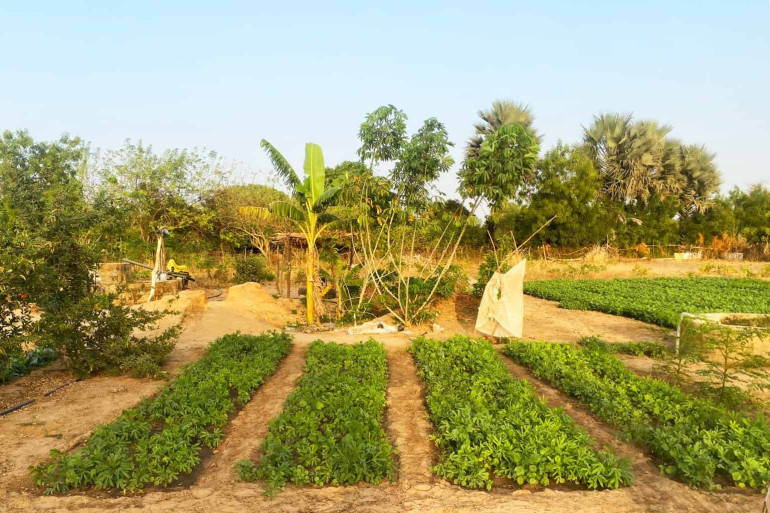
Just two years after establishing her Forest Garden, Sambou is setting a new standard for farming and for women in her village.
“If all Senegalese women had the support I received from TREES, many problems would be solved in this country.”
Please help more farmers like Jean d’Arc Sambou access the resources and training they need to restore their land and lives.
Commenti (1)
Lascia un commento