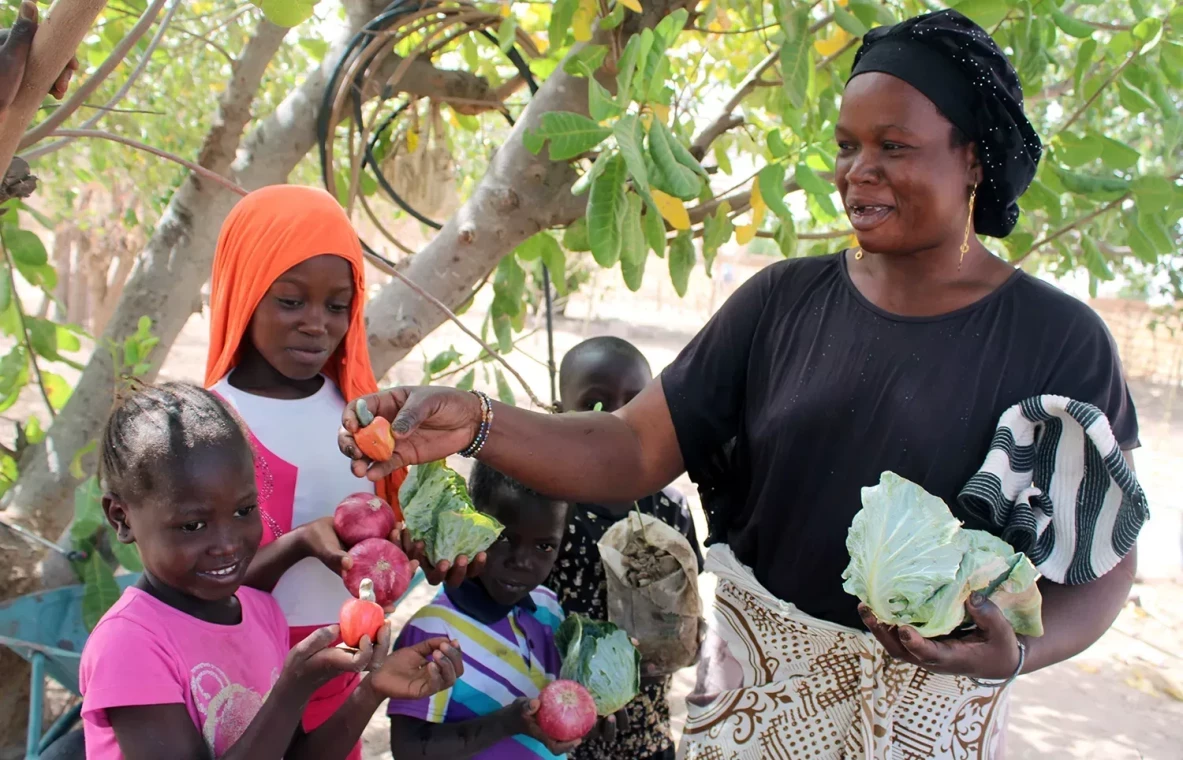

Our reforestation initiative is more than just a fight against deforestation; it's a crusade for gender equality. Challenging conventional norms, the project actively integrates women into agroforestry in regions traditionally dominated by male labor, transforming the face of reforestation and positively impacting women's lives.
In parts of the world where men primarily undertake arduous work, our project has successfully woven women into the tapestry of reforestation and agroforestry, bringing forth a positive ripple effect on their families. These efforts empower women by enabling them to contribute to their family's income and food sources, thus enhancing their socio-economic status.
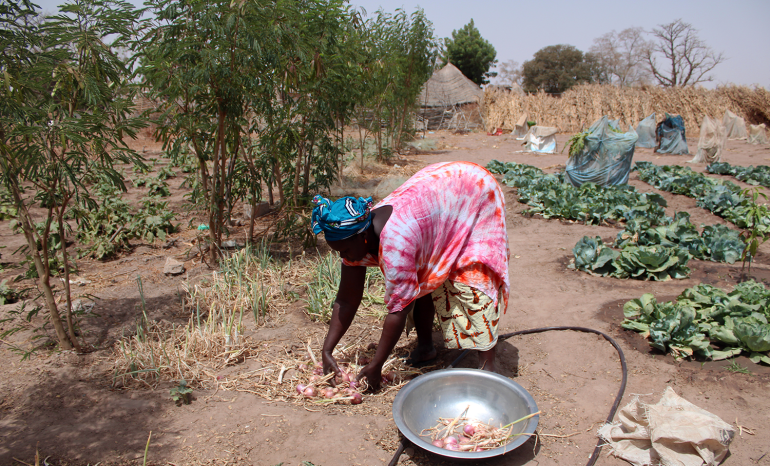
A case in point is Kaffrine, located in Senegal's Peanut Basin, a vast expanse of farmland devoted to peanut production. Despite the region's deep-rooted reliance on peanuts, this monoculture farming approach presents numerous challenges and risks. Over time, the continual depletion of soil nutrients and the resultant degradation of soil quality compromise crop yield, confining farmers to a cycle of poverty. It's a bleak paradox that despite being seen as the world's breadwinners, these farmers often struggle to feed their own families.
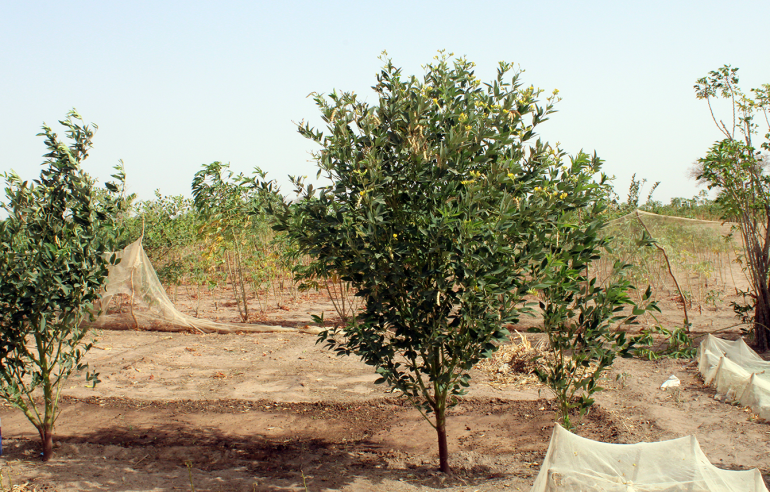
However, the advent of our agroforestry project has sparked a remarkable transformation in Kaffrine. Sokhna, a representative of the women involved in the initiative, and 225 other women have replaced the dry patches of peanuts with lush forest gardens, turning the landscape into a vibrant quilt of green.
According to Anta Gueye, a lead farmer in the group, "With the Forest Garden today we grow vegetables like okra, chilli, eggplant, tomato, pepper, and also fruit trees such as lemon and papaya." These harvests not only satiate the hunger of their families but also facilitate the coverage of crucial expenses like school fees. Gueye proudly adds, "All eight of my children have been in school for two years now."
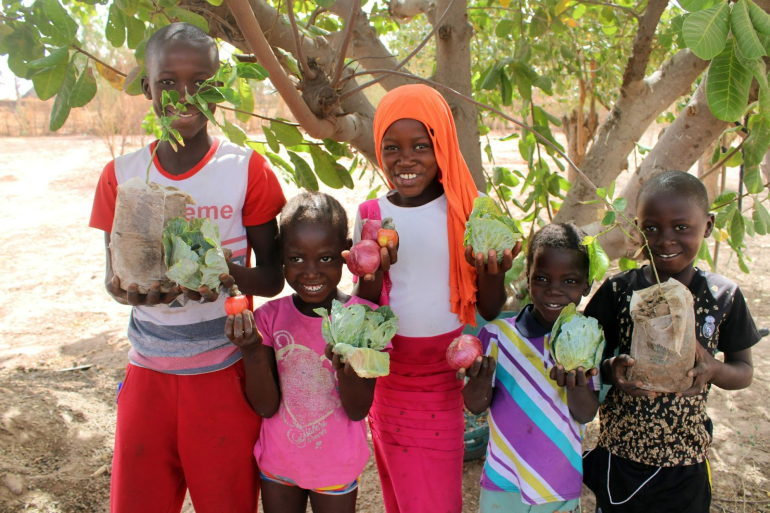
It's evident that the inclusion of women is integral to sustainable development. In Sub-Saharan Africa, women produce up to 80% of food for household consumption, yet they often lack land ownership and access to development opportunities. In response to this, our projects insist that at least 30% of participants are women, striving to empower them in the fight against hunger, poverty, and land degradation.
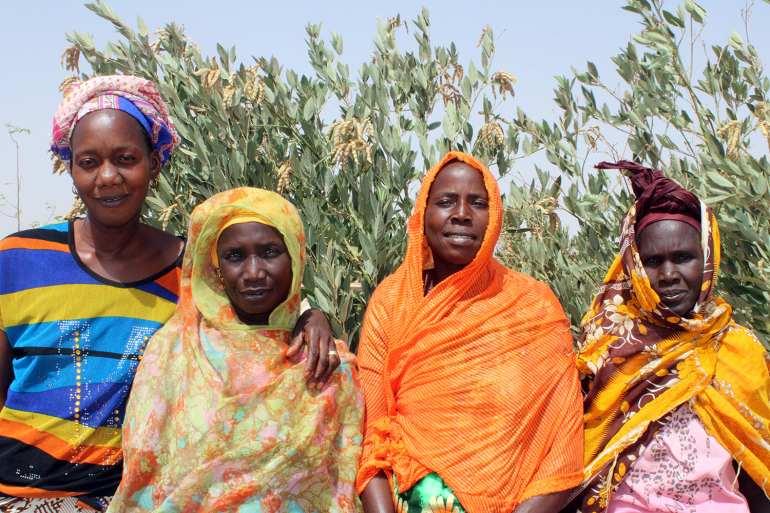
Sokhna's group, composed entirely of women, stands as a testament to this mission. This pioneering group, the first to reach 100% female participation, is a beacon of hope, highlighting the incredible potential when women are integrated into sustainable initiatives. As we witness the greening of Kaffrine, we also see the sprouting of women empowerment, promising a brighter, greener future for all.
#GenderEquality #Education
Commenti (0)
Lascia un commento