
With their large, inquisitive eyes and captivating slow movements, slender lorises are undeniably adorable. But beyond their charm lies a critical story of vulnerability. These nocturnal primates face a multitude of threats, pushing them towards endangerment. Understanding their needs and implementing effective conservation strategies is vital to ensure their survival in the wild.
Why Protect Slender Lorises?
- Ecological Importance: Slender lorises act as natural pest controllers, consuming insects that could damage agricultural crops. Their presence contributes to a healthy ecosystem balance.
- Pollinators: These nimble creatures play a vital role in pollinating flowers as they move through the trees at night. This ensures the reproduction of various plant species, maintaining biodiversity.
- Seed Dispersal: By consuming fruits and dispersing seeds through their droppings, slender lorises contribute to forest regeneration, ensuring a healthy future for their habitat.
The Looming Threat: Habitat Loss
The primary threat to slender lorises is habitat loss. Deforestation for agriculture, logging, and development projects are rapidly destroying the dense forests they call home. This loss of trees leads to:
- Fragmentation: Isolated pockets of forest make it difficult for lorises to find food and mates, hindering their population growth.
- Exposure to Predators: Without the dense canopy cover, lorises become vulnerable to predators like owls and snakes.
- Reduced Food Availability: With fewer trees, the availability of insects and fruits crucial for their diet declines.
Planting Trees: A Crucial Step for Slender Loris Conservation
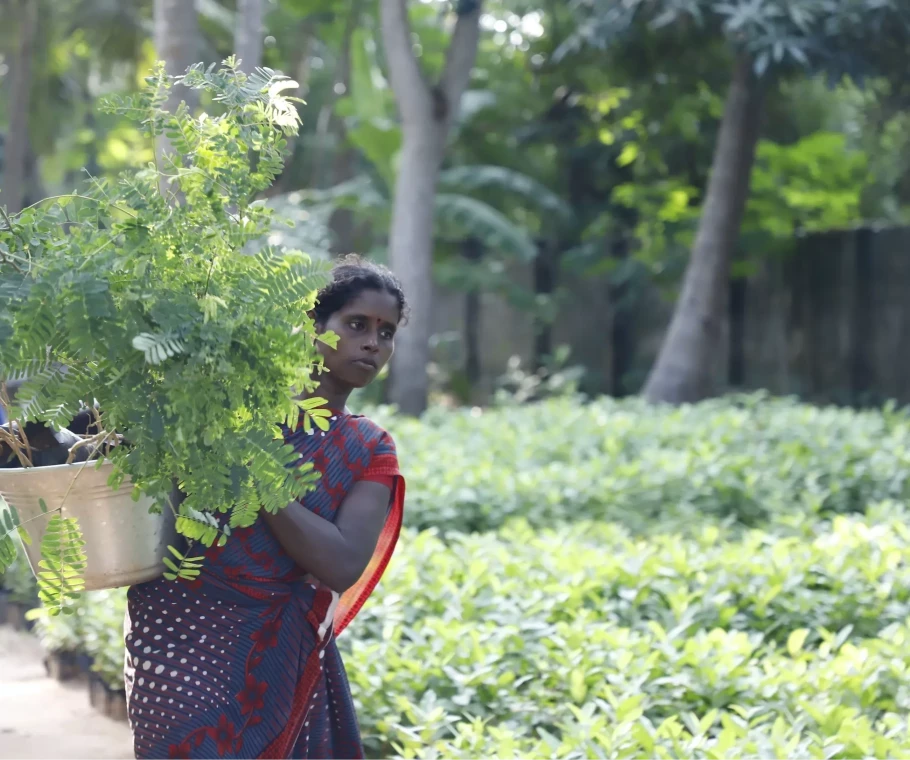
Planting trees is a critical step in protecting slender lorises. Here's how reforestation efforts can make a difference:
- Creating Corridors: Reforestation projects can connect fragmented forests, allowing lorises to safely move between habitats in search of food and mates.
- Providing Food and Shelter: Planting native trees ensures a steady supply of fruits and insects for lorises, as well as offering much-needed protection from predators.
- Enhancing Biodiversity: A diverse forest ecosystem supports a wider variety of insects and plants, creating a healthier food source for lorises and other wildlife.
Commenti (0)
Lascia un commento