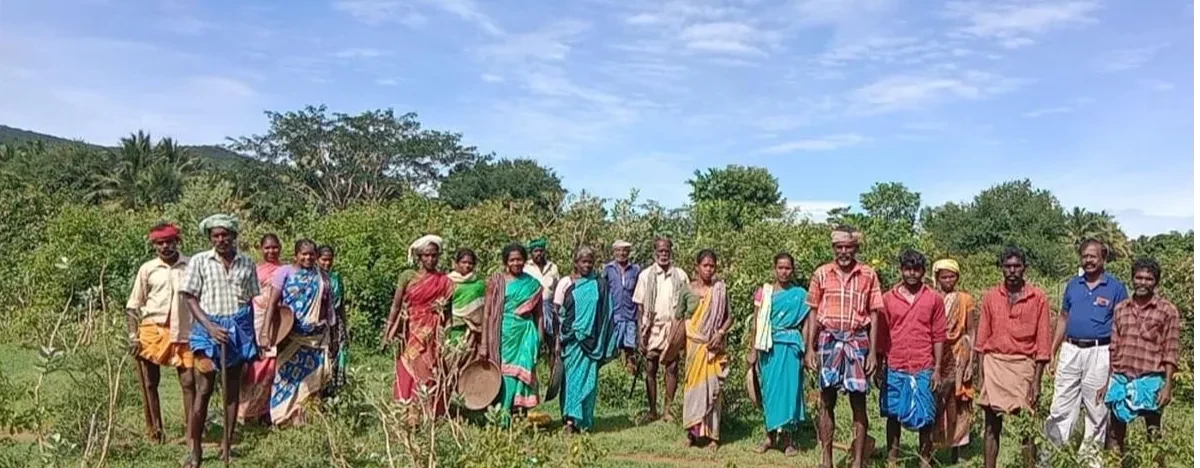

Planting trees is one of the most effective tools for environmental conservation. When this activity involves local communities, its impact extends far beyond the physical act of planting. By engaging people at the grassroots level, tree-planting initiatives become holistic conservation projects that foster a sense of ownership, empower communities, and create lasting ecological benefits.
Here’s how community-driven tree planting contributes to conservation efforts indirectly.
Tribal communities depend on forests for their livelihoods, cultural practices, and sustenance. However, increasing deforestation, habitat destruction, and climate change have adversely affected these ecosystems.
· Promoting Ecosystem Restoration
Local communities often have intricate knowledge of their ecosystems. When they are involved in tree-planting efforts, their input helps ensure that native species are chosen and planted in suitable areas. These trees restore degraded habitats, protect biodiversity, and create a more balanced ecosystem.
· Encouraging Sustainable Livelihoods
Tree-planting programs can offer direct economic benefits to community members. Activities like sapling preparation, planting, and maintenance provide income, reducing dependence on unsustainable practices such as deforestation or overgrazing.
· Fostering Environmental Awareness
Involving community members in tree-planting initiatives builds awareness about the importance of conservation. Through hands-on participation, they better understand the link between trees, water conservation, soil health, and biodiversity.
· Preventing Soil Erosion and Enhancing Water Resources
Communities often plant trees on slopes, around water bodies, or in degraded lands, where they help stabilize soil and prevent erosion. The trees also enhance water retention in the soil, recharge groundwater, and improve the quality of water bodies.
· Empowering Women and Marginalized Groups
In many areas, women and marginalized groups are closely tied to forest resources for their daily needs. Involving them in tree-planting activities provides them with income opportunities, decision-making power, and a stronger connection to conservation.
· Creating Long-Term Stewards of the Environment
When communities plant trees, they develop a stake in their survival. This personal investment often translates into long-term stewardship, where locals monitor tree growth, prevent deforestation, and promote sustainable resource use.
Community-driven tree planting is more than just an environmental activity; it is a transformative approach to conservation. By empowering people, fostering awareness, and creating sustainable livelihoods, these initiatives indirectly address key conservation challenges.
Commenti (0)
Lascia un commento