
Introduction
The Slender Loris (Loris lydekkerianus), a small, nocturnal primate found in the forests of Southern India and Sri Lanka, is an integral part of the ecosystem. Despite its ecological importance, habitat destruction, deforestation, and human encroachment have put this species at risk. Conservation of the Slender Loris is crucial for maintaining biodiversity, and tree planting plays a vital role in ensuring its survival.
Why Conserving the Slender Loris is Essential
- Ecological Balance: The Slender Loris plays a crucial role in insect control, preying on pests and thereby helping maintain ecological balance in its habitat.
- Indicator Species: As a sensitive species, its population decline signals broader environmental issues, such as deforestation and habitat degradation.
- Biodiversity Conservation: Protecting the Slender Loris ensures the conservation of other wildlife species that share its habitat.
- Cultural and Scientific Value: The species holds cultural significance in many local communities and is a subject of ongoing scientific research related to primate evolution and behavior.
Threats to the Slender Loris
- Deforestation: Rapid urbanization and agriculture expansion have led to significant habitat loss.
- Poaching and Illegal Trade: The Slender Loris is often captured for use in traditional medicine and as exotic pets.
- Road and Infrastructure Development: Increasing road networks fragment its habitat, making it difficult for populations to thrive.
- Human-Wildlife Conflict: Encounters with humans often result in fear-based killings or displacement of these creatures.
How Tree Planting Helps in Conservation
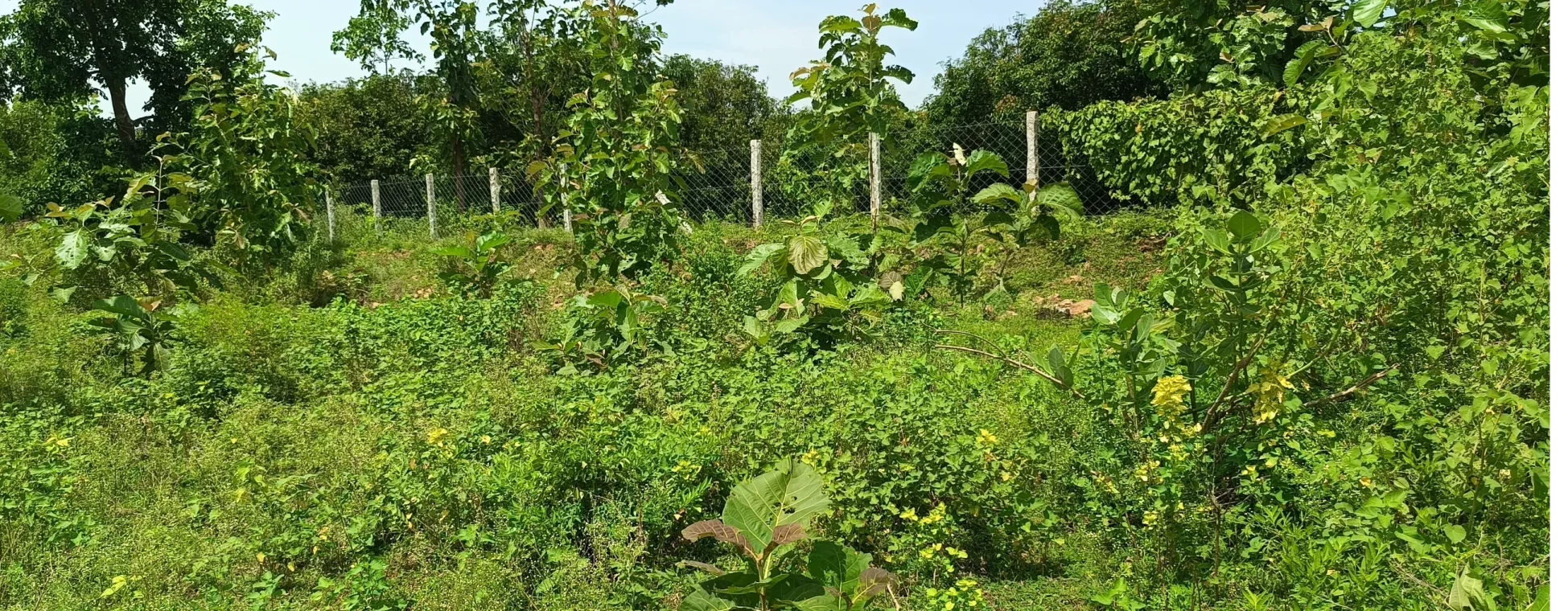
- Habitat Restoration: Tree planting restores degraded forests, creating safe and sustainable habitats for the Slender Loris.
- Forest Corridors: Strategic afforestation helps connect fragmented habitats, enabling free movement and genetic diversity among populations.
- Food Source Availability: Native trees provide shelter and food, such as fruits and insects, essential for the survival of the species.
- Climate Change Mitigation: Increased forest cover helps regulate temperature and humidity levels, ensuring a stable ecosystem for the Slender Loris.
Conclusion
Conserving the Slender Loris is vital for India’s biodiversity and ecological health. Tree planting serves as a practical and sustainable solution to mitigate habitat destruction and enhance conservation efforts. By restoring forests, creating corridors, and promoting environmental awareness, we can ensure that the Slender Loris continues to thrive in its natural habitat.
Commenti (0)
Lascia un commento