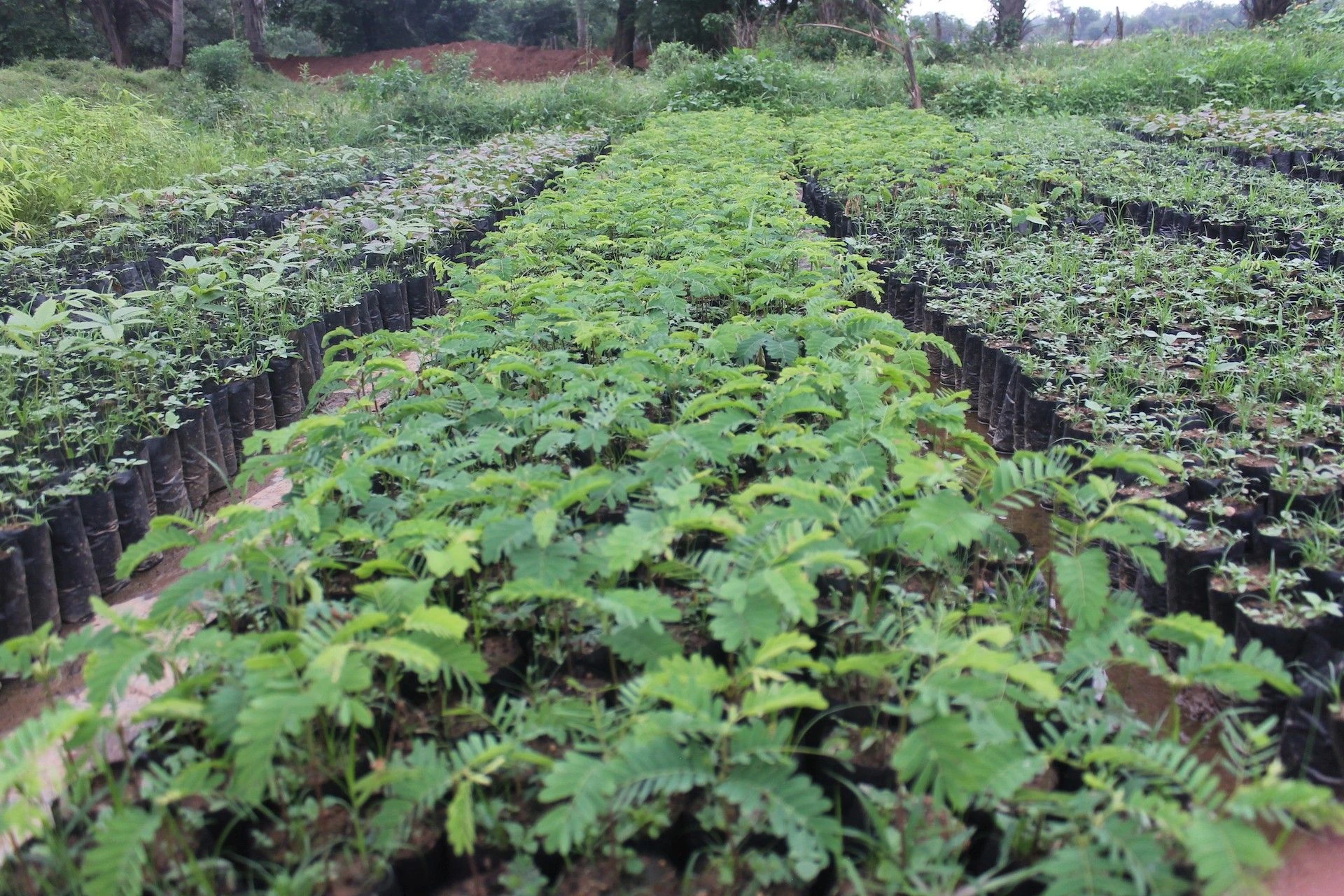

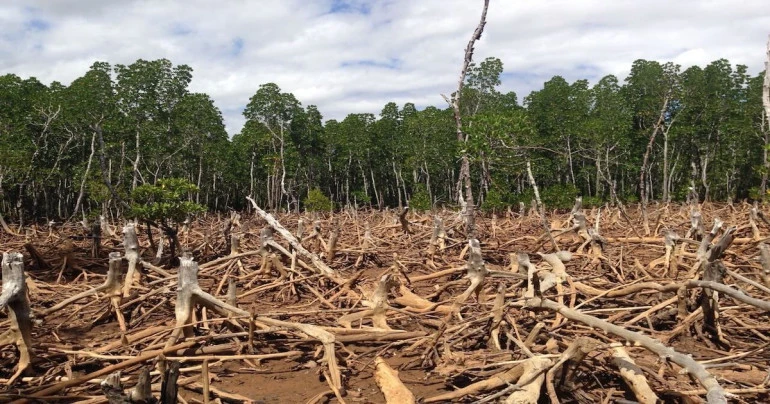
According to Global Forest Watch, Bastar (Project- District) lost 107ha of humid primary forest between 2002 and 2020, accounting for 2.9 percent of its total tree cover loss. From 2001 to 2020, Bastar lost 3.67k ha of tree cover, a 2.8 percent decline since 2000, and 1.77Mt of CO2 emissions.
According to a published study "Soils of Chhattisgarh: Characteristics and Water Management Options" ecological health of the state is worsened by chronic soil erosion due to heavy rainfall, loss of trees, and negligence". Rainwater flows downward with the contour of the terrain, causing topsoil and minerals to erode. These are then joined by numerous larger streams, which carry the soil and deposit it further downwards. This resulted not only in soil erosion in forest regions and downstream silting but also in a shortage of subsoil water, which had a disastrous effect on the trees and led to forest depletion.
Thus implementing this large-scale plantation tries to address multifaceted ecological issues, as the trees serve to improve soil health and quality, reverse land degradation, halt desertification, and provide clean water through an increased water cycle. Most of the ecological challenges of the project location can be mitigated by planting a significant number of trees in the area. Different tree-plantation species operate as soil-protection agents against a variety of soil issues. This demonstrates that tree planting is required to control the area's problems and improve the tribal community's conditions.


