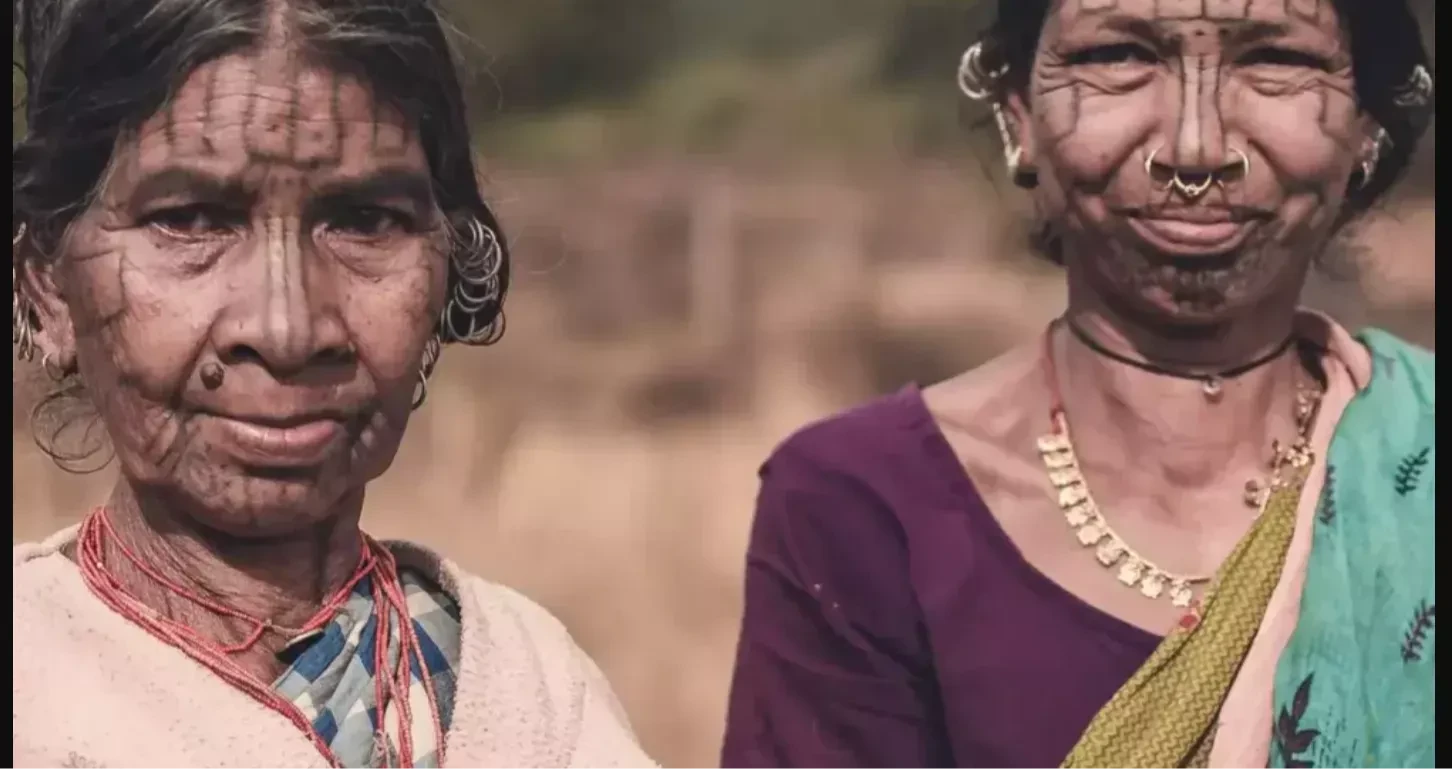

Tribes are important for India for a number of reasons, including some of them as below:
- They are the custodians of India's rich cultural heritage. Tribes have a unique and diverse culture that has been passed down for generations. They have their own languages, customs, and traditions, which are an important part of India's cultural fabric.
- They are the stewards of India's natural resources. Tribes have a deep understanding of the natural world and how to live in harmony with it. They often have traditional knowledge of how to sustainably manage forests, water, and other natural resources.
- They are a source of economic growth. Tribes have a strong entrepreneurial spirit and are often involved in small businesses and agriculture. They can play an important role in India's economic development.
- They are a source of social cohesion. Tribes have strong social networks and support systems. They often help each other in times of need and provide a sense of community.
In addition to these reasons, tribes are also important for India because they represent the country's diversity. India is a vast and complex country with a wide range of cultures and peoples. Tribes are an important part of this diversity and help to make India a unique and special place.
Here are some specific examples of how tribes have contributed to India:
- The Gond tribe of central India is known for its beautiful art and handicrafts.
- The Khasi tribe of northeast India is known for its matrilineal society, in which property is passed down through the female line.
- The Bhatra are known for their strong oral tradition. They have a rich history of storytelling and music, and they are known for their skill in making handicrafts.
- The Santhal tribe of eastern India is known for its resistance to British rule.
These are just a few examples of the many ways in which tribes have contributed to India. Tribes are an important part of the country's history, culture, and economy.


